Hosts cooking one main oven dish
If the clafoutis is the main bake, look for a single fan oven with room for your dish. A second cavity is less useful when you rarely need two cooking temperatures at once.


For a family gathering where the berry clafoutis is the main oven dish, start with a full-size single fan oven that fits the baking dish and kitchen housing. Consider a double oven if you regularly cook other dishes at different temperatures at the same time. Whichever format you choose, check independent evidence of temperature accuracy where available, then confirm the installation dimensions and electrical connection before ordering.
If the clafoutis is the main bake, look for a single fan oven with room for your dish. A second cavity is less useful when you rarely need two cooking temperatures at once.
If dessert needs to bake while another dish cooks at a different temperature, separate oven cavities may help. Multi-level fan cooking is another option when dishes can share one temperature.
Match the new oven to the cabinet opening and its required connection before comparing extra baking functions. Electrical Safety First notes that some ovens use a plug while others require hardwiring.
Choose when: the clafoutis is your main oven dish and other food can share its cooking temperature or wait.
Trade-off: one cavity cannot provide separate temperatures for dessert and another dish.
Choose when: you regularly need separate cavities for dishes with different temperatures or timings.
Trade-off: its housing requirements differ from those of a single oven, so check the exact installation arrangement.
| Concern | What to check | Who this matters to |
|---|---|---|
| Even baking | Check for a suitable fan-baking mode and, where available, independent tests of temperature accuracy and heat distribution for the exact model. | If I want the clafoutis to set and brown evenly, a fan symbol alone will not settle my choice; around 36% of consumers put even baking and temperature control first. |
| Dish space and oven format | Check that your baking dish fits the usable cavity and decide whether other dishes need a separate temperature zone. | When dessert shares the gathering menu with other oven dishes, I need enough usable space without choosing a second cavity I seldom use; around 29% of consumers put capacity and layout first. |
| Installation | Compare the installation dimensions, electrical loading and connection instructions with your kitchen. | If I am replacing an oven, the cabinet and electrical supply must suit the model before its baking features matter; for around 21% of consumers, installation compatibility comes first. |
| Cleaning and added functions | Check what the stated cleaning system requires and whether you would regularly use a steam-bake function. | After baking fruit-and-custard desserts, I would rather choose functions that make a recurring task easier; around 14% of consumers put cleaning or supplementary functions first. |
Connection methods vary. Neff lists the B1GCC0AN0B without a plug and specifies electrical connection by an electrician.
Check the exact model’s connection instructions and electrical loading against your existing installation. Electrical Safety First advises seeking qualified advice when the arrangement is unclear.
Cavity litres describe cooking space, not the dimensions of the cabinet opening. Single and double ovens can need different housing arrangements.
Measure the opening and compare it with the manufacturer’s installation dimensions before choosing a model.
AEG presents SteamBake as an added-humidity feature, but that claim does not establish that it improves a berry clafoutis compared with a suitable standard baking mode.
Prioritise oven fit, usable space and temperature performance; consider steam if you also expect to use it regularly for other baking.
Which? assesses temperature accuracy and heat distribution when testing built-in ovens. A named fan system does not establish how a particular oven performs on those measures.
Consult independent results for the exact model where available, then use its specifications to check modes, dimensions and installation requirements.
Bosch has built-in single and double ovens for households considering multi-level hot-air cooking.
Neff built-in ovens may suit cooks interested in preparing dishes on several levels.
AEG offers ovens with fan cooking and, on selected models, added baking and cleaning functions.
Beko has built-in single and double fan ovens for households comparing cavity sizes and cooking arrangements.
These single and double fan-oven options cover cooking one main clafoutis or preparing it alongside other dishes. The CDA model is a gas fan oven; confirm that its fuel and installation requirements suit your kitchen before considering it alongside the electric models.
 No image available
Consider a double oven if the clafoutis needs to cook alongside a dish requiring a different oven temperature.
Check that your kitchen has suitable eye-level housing and confirm the installation dimensions and electrical circuit before ordering.
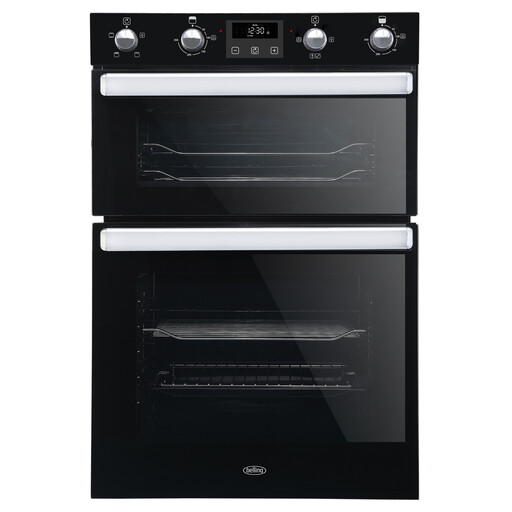 No image available
The double-oven format is worth considering when dessert and another dish regularly need separate cooking spaces.
Compare the cabinet opening and electrical connection requirements with your kitchen; one cavity may be sufficient if you usually bake only the clafoutis.
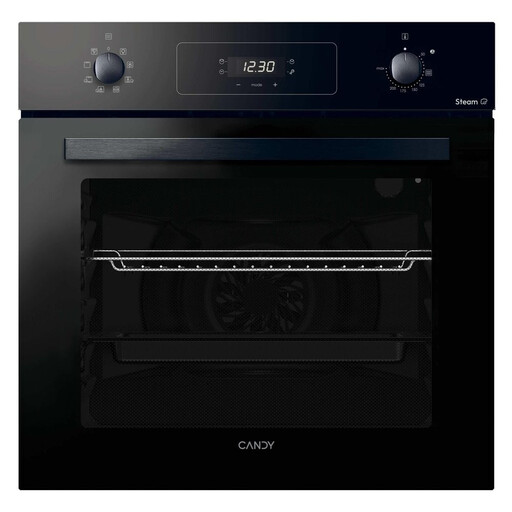 No image available
This single-oven format suits a gathering where the clafoutis is the main oven dish.
The product name specifies a 65 L cavity. Check that your baking dish fits and confirm the electrical connection method with a qualified installer.
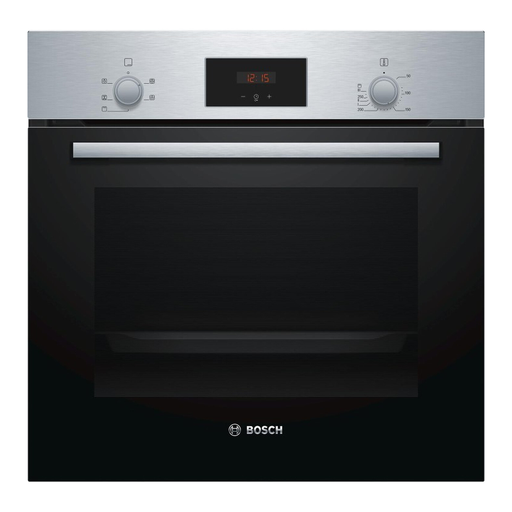 No image available
Consider this single oven if you want to bake the clafoutis while using other shelf levels at the same cooking temperature.
Bosch lists 3D Hotair for cooking on up to three levels. Confirm the exact appliance’s connection arrangement and your household circuit before ordering.
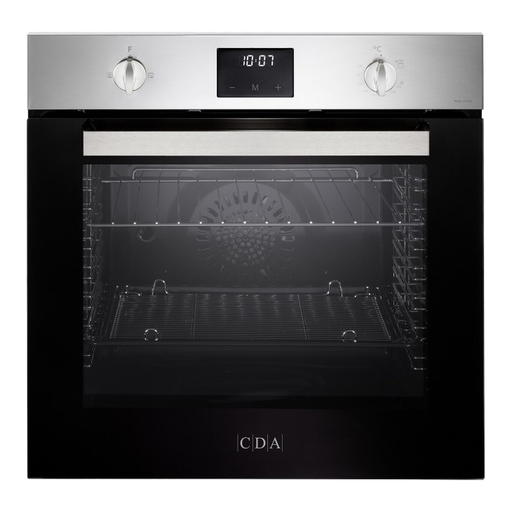 No image available
This gas single oven is an option for a kitchen with a suitable gas installation when the clafoutis is the main oven dish.
The product name specifies a 70 L cavity. Confirm the required gas type, installation arrangements and cabinet dimensions before choosing it.
Yes, if you use an appropriate baking mode and follow the recipe’s fan-oven temperature guidance. Which? says good fan ovens distribute heat evenly across the cavity; if your recipe specifies conventional heat, use that mode where available rather than assuming the temperatures are interchangeable.
Not necessarily: a full-size single oven may suit a family-sized clafoutis when other food can share its cooking temperature or be cooked at another time. Choose a double oven when you regularly need separate cavities for dishes with different temperatures or timings.
Do not assume the new oven connects like your old one. Electrical Safety First notes that some ovens have a standard plug while others require hardwiring into a dedicated circuit; follow the exact model’s instructions and seek a qualified electrician’s advice about an uncertain installation.
Compare the oven’s energy label and product information sheet rather than relying on an advertised energy class alone. GOV.UK guidance says products within the scope of energy-labelling requirements should be supplied with an accurate printed label and product information sheet.