Repeat-batch bake-sale organisers
If you plan to bake several dishes, usable shelf space and a workflow you can repeat matter more than choosing an oven simply because it heats food.


For repeated batches of full-size bread pudding, consider a built-in fan oven or a freestanding cooker with a fan-assisted oven if your kitchen can accommodate it. A countertop convection oven is more suited to smaller or supplementary batches when your dishes fit; check usable shelf dimensions and installation requirements before choosing by cavity capacity alone.
If you plan to bake several dishes, usable shelf space and a workflow you can repeat matter more than choosing an oven simply because it heats food.
A countertop oven may provide extra baking space, provided your dishes fit and the worktop, socket and required clearances suit the appliance.
Alongside planning production, check which food-business and allergen-information requirements apply to the way you will prepare, pack and sell the pudding.
Choose the oven format around your kitchen and intended batch size, then compare the dimensions and controls of specific models.
Consider it when: You have a suitable cabinet space and want a permanent oven for repeated batches.
Allow for: Cabinet fit and the electrical connection; the cited Bosch and Neff built-in models require an electrician for installation.
Consider it when: You also need a hob rather than a separate built-in oven.
Allow for: Floor space, delivery access and the installation requirements of the particular cooker.
Consider it when: You are planning modest quantities or need supplementary baking space.
Allow for: Smaller dishes and a suitable socket and worktop position; a compact cavity may mean more baking cycles.
| Concern | What to check | Who this matters to |
|---|---|---|
| Batch size and dish fit | Measure your dishes against the usable shelf and door-clearance dimensions. Check which shelf positions can be used together. | If I need to produce several full-size puddings, I want to know how many dishes will fit in each bake. Around 33% of consumers put batch size and dish fit first. |
| Kitchen fit and installation | Check the cabinet or worktop space, required clearances and the model’s electrical connection instructions. | Limited kitchen space or an unsuitable connection could rule out an oven before I use it; for around 27% of consumers, fit and installation are the primary concern. |
| Baking consistency | Confirm the cooking mode and temperature controls; consult independent, model-specific heat-distribution tests where available. | When I am baking repeated dishes for a sale, I need results I can plan around. Consistency comes first for around 27% of consumers. |
| Cleaning and ongoing use | Check the exact cleaning method and care instructions, alongside placement and electrical-safety requirements. | After several rich bakes, I need a cleaning routine I can manage without overlooking safe operation. Around 13% of consumers make this their main concern. |
Cavity capacity does not tell you whether a wide dish will clear the door or sit properly on a shelf. The cited countertop examples have 21- and 26-litre cavities, while the cited full-size examples have 71-litre cavities, but dish fit still needs checking.
Measure the dishes you intend to use and compare them with the exact oven’s internal dimensions, supplied shelves and door clearance.
The cited Sage and Quest models are rated at 2400 W and 2980 W respectively. Electrical Safety First warns that ovens can overload extension leads, particularly alongside other large appliances.
Check the model’s plug, power requirements, socket position and required clearances. If the electrical setup is uncertain, seek advice from a qualified electrician rather than relying on an overloaded extension lead.
Hot-air circulation is a feature, not proof that every oven holds its set temperature or distributes heat equally. Which? assesses temperature accuracy when testing built-in ovens.
Look for independent results for the exact model where available, and trial your recipe in the dish and shelf position you intend to use for the sale.
Food-business registration and allergen-information duties may apply depending on how the pudding is prepared, packed and sold.
Check your event circumstances with the relevant local authority and prepare ingredient and allergen information for your selling method, using Food Standards Agency guidance.
These examples illustrate different oven formats; features and installation requirements belong to the named models, not every appliance from each brand.
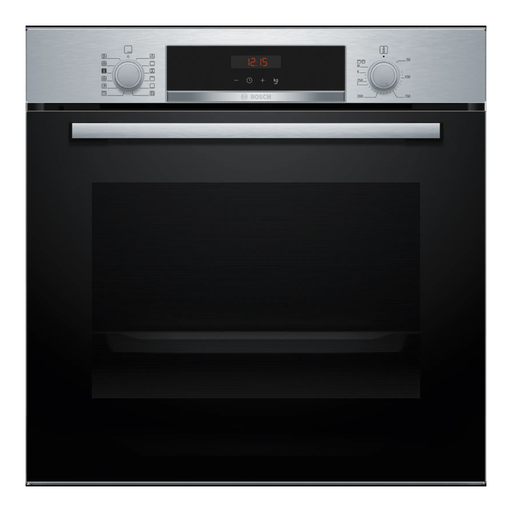
The Serie 4 HQA534BS3B is an example of a full-size built-in electric fan oven for a permanent kitchen installation.
The built-in N 30 B1GCC0AN0B is relevant if you are considering baking on several levels.
The Smart Oven Pro BOV820BSS illustrates a compact, supplementary countertop route.
The 35379 is another countertop convection option to consider for smaller dishes.
The HUI614K illustrates the freestanding cooker route for someone who also needs a hob.
These built-in ovens are choices to assess if you have a suitable kitchen space. They include electric models and a gas fan oven; measure your pudding dishes and check the appropriate installation requirements before choosing.
 No image available
Consider this for repeated bread-pudding batches if a built-in electric oven suits your kitchen; check your dishes against its usable shelf dimensions.
Confirm the cabinet aperture, ventilation and electrical arrangement before fitting. Check the model’s cooking modes and temperature performance for your intended batch workflow.
 No image available
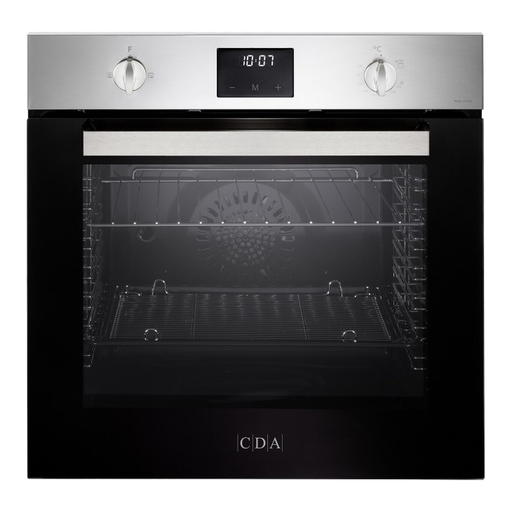
Consider this built-in model if cleaning after repeated bakes is a priority; follow its instructions for the pyrolytic cycle and allow the oven to cool before wiping it out.
Check that your dishes fit its shelves and confirm cabinet, ventilation and hardwiring requirements with a qualified electrician.
 No image available
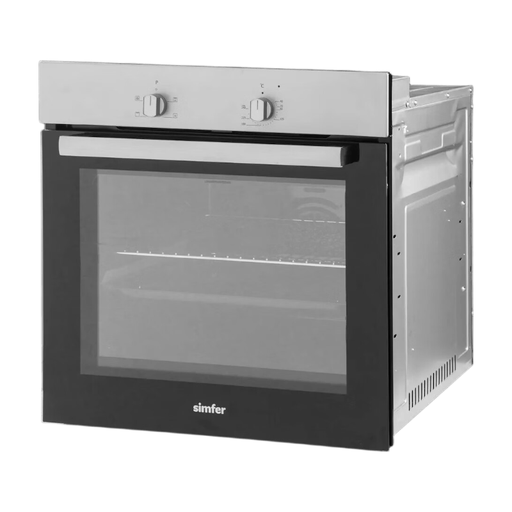
This electric fan oven is a built-in option for bread-pudding batches where the kitchen has a suitable aperture.
Compare your dishes with its usable shelf dimensions, and check the installation documentation for the required electrical connection before arranging fitting.
 No image available
Consider this gas fan oven only if a suitably qualified installer confirms that it suits your home’s gas supply and built-in space.
Its stated capacity is 70 L. Measure your bread-pudding dishes against the usable shelves rather than assuming capacity alone establishes batch size.
It can suit small or supplementary bread-pudding batches if your dishes fit and you can accommodate the baking time. The cited countertop examples have 21- and 26-litre cavities; measure the actual dishes and check usable shelves before deciding how many bakes you would need.
Check the exact model’s cooking modes, then look for model-specific assessments of heat distribution and temperature accuracy rather than relying on a fan label alone. Which? measures temperature accuracy in its built-in oven testing; trial your bread-pudding recipe before depending on a new oven for the sale.
Do not assume an extension lead is suitable for a high-load countertop oven. Electrical Safety First warns that ovens may overload an extension lead, particularly when other large appliances are connected; check the oven’s instructions and the suitability of your fixed socket and electrical setup.
Registration may be required if your activity is a food business, including food prepared at home or temporary premises. Food Standards Agency and GOV.UK guidance covers food-business registration; ask the relevant local authority how it applies to your particular bake sale rather than assuming that a one-off or community event is exempt.
Prepare accurate ingredient and allergen information for the bread pudding and check the rules for how you will pack and sell each portion. Food Standards Agency guidance distinguishes requirements for non-prepacked food and food prepacked for direct sale; confirm which description fits your sale before preparing labels or other customer information.