Family tray-roast cooks
You need room for parsnips, potatoes and a main dish in one meal session. Tray fit, shelf positions and the available fan function matter more than a capacity figure alone.


Choose a full-size fan oven if its cavity can hold your parsnip tray and the rest of the meal at a shared cooking temperature. A double oven is worth considering when dishes regularly need separate spaces or temperatures, but check each cavity’s usable size, your kitchen housing and the electrical requirements before choosing.
You need room for parsnips, potatoes and a main dish in one meal session. Tray fit, shelf positions and the available fan function matter more than a capacity figure alone.
You often cook components with different timings or temperatures. Separate cavities may make that easier, provided both are large enough for the dishes you intend to use.
You roast often and want to manage splashes and residue afterwards. Compare the cleaning method and the surfaces it covers on the exact oven, rather than relying on an “easy-clean” description.
Choose it when: Your parsnips and other dishes can share one cavity and cooking temperature.
Trade-off: You cannot give two dishes independently controlled oven temperatures at the same time.
Choose it when: Family meals regularly call for dishes in separate cooking spaces. Bosch and Which? both identify that flexibility as a reason to consider a double oven.
Trade-off: Each cavity may be smaller than a full-size single oven, and the housing must suit the particular built-in or built-under design.
| Concern | What to check | Who this matters to |
|---|---|---|
| Usable roasting space | Compare internal cavity dimensions and shelf positions with your usual roasting tray; check each cavity separately on a double oven. | If the parsnips must fit alongside other dishes, I need to know what will actually go on the shelves. Around 37% of consumers put usable roasting space first. |
| Fan and multi-level cooking | Check the exact model’s fan function, stated number of cooking levels and instructions for shelf placement. | When I use more than one shelf, I want to understand how the oven is intended to cook on those levels. For around 27% of consumers, that is the primary concern. |
| Cleaning after roasting | Identify the cleaning system, the surfaces it covers and the routine required by the manual. | Frequent roasts leave me dealing with residue, so the clean-up routine affects my choice. It comes first for around 18% of consumers. |
| Kitchen fit and energy information | Check the installation drawing, connection requirements, energy label and product information sheet for the exact model. | Before choosing an oven, I need it to fit my cabinet and suit my kitchen connection, with declared energy information I can compare. Around 18% of consumers make these checks their first priority. |
A litre figure does not tell you the internal width, shelf arrangement or space around your roasting tray.
Measure the tray you use and compare it with the manufacturer’s cavity dimensions, shelf layout and installation drawing.
Multi-level claims apply to particular systems and models: Bosch specifies up to three levels for the HQA534BB3B, Neff up to three for the B1DCC0AK3B, and Hotpoint up to four for the HOI68PT1SBUK. Those figures do not guarantee identical results with every tray arrangement.
Check the function list and follow the chosen model’s instructions for shelf placement and airflow.
Some built-in ovens have no plug and require an electrician to make the connection. Electrical Safety First advises having an oven fitted by a qualified electrician.
Check the model’s electrical load and installation instructions against your kitchen before ordering.
Catalytic surfaces, steam-based cleaning and pyrolytic programmes work differently; coverage and required upkeep depend on the model.
Check which surfaces and accessories the cleaning instructions cover, then decide whether that routine suits frequent roasting.
Relevant if you are comparing a full-size single oven with a double-oven layout or model-specific hot-air and cleaning features.
Relevant if you want to compare a built-in single oven with a stated multi-level hot-air function.
Relevant if a full-size built-in single fan oven is likely to hold your family meal.
Relevant if you are considering a single oven with stated multi-level cooking and more than one cleaning method.
These choices include built-in double ovens for separate dishes and single fan ovens for meals cooked in one cavity. The CDA option is a gas oven, so check the fuel supply as well as tray fit and kitchen housing before comparing it with the electric models.
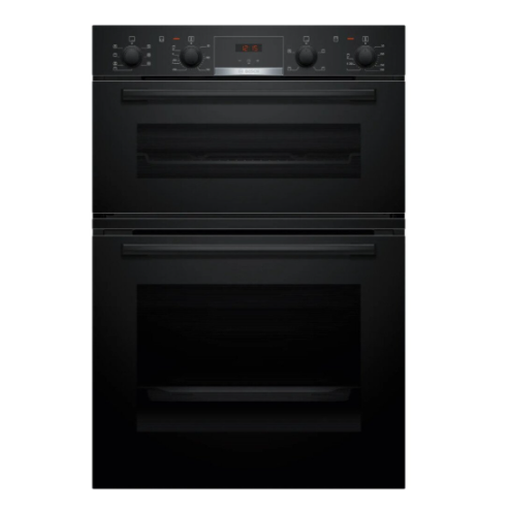 No image available
Consider a double oven when parsnips and another part of the meal need separate cooking spaces. Check that this eye-level built-in model suits your housing, and compare your tray with each cavity’s internal dimensions.
Confirm the electrical connection and installation requirements before ordering.
 No image available
Separate cavities may help when the roast and accompaniments need different cooking conditions. Its 90 cm built-in format calls for a suitable cabinet; check the installation drawing and the space available for your trays.
Confirm the electrical requirements and arrange installation appropriate to the model.
 No image available
A single cavity is worth considering when the parsnips and other dishes can share cooking conditions. Compare your roasting tray with the internal dimensions and shelf layout, and check the model’s hot-air instructions if you plan to use several shelves.
Confirm the electrical connection required for your kitchen.
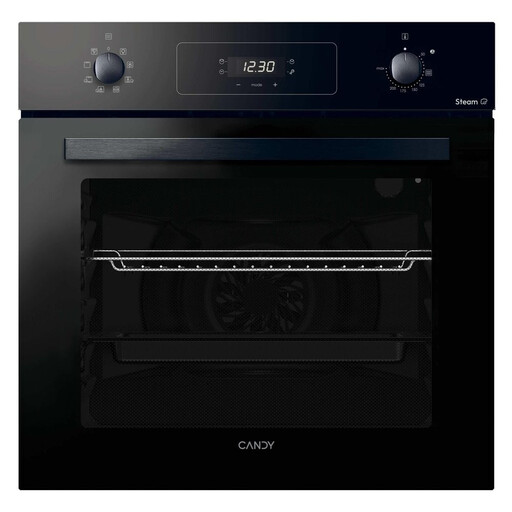 No image available
The stated 65 L capacity is a starting point for planning a one-cavity family roast, not a guarantee that your tray will fit. Check the internal dimensions, shelf positions and available cooking functions for your intended meal.
Confirm the exact electrical connection instructions and the cleaning routine before buying.
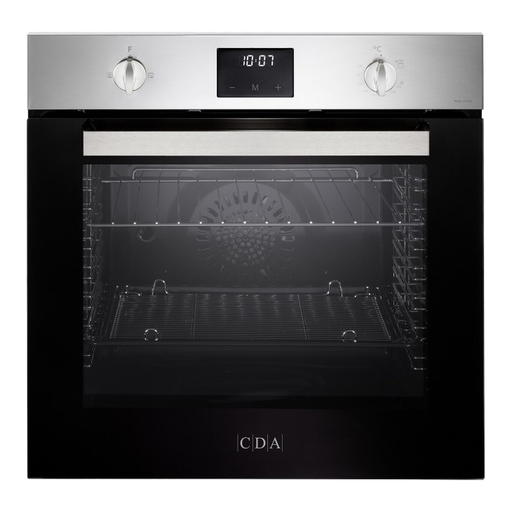 No image available
This gas fan oven is a one-cavity option for a family roast if its fuel and installation requirements suit your kitchen. Its stated 70 L capacity does not establish whether your roasting tray fits, so check the internal dimensions and shelf layout.
Confirm the required gas connection and any LPG-conversion conditions for the exact model.
Yes, if the tray and other dishes fit in its usable cavity and can share the cooking conditions. Check internal dimensions, shelf positions and the exact fan function rather than deciding from litre capacity alone.
A double oven is useful when dishes regularly need separate spaces or temperatures. Bosch and Which? describe the flexibility of cooking multiple dishes, but you still need to check each cavity’s size and whether the oven fits your housing.
Check the exact model’s energy label and product information sheet when comparing ovens. GOV.UK states that products within the scope of the applicable energy-information rules must be supplied with an accurate printed label and accompanied by a product information sheet.
Check the model’s installation instructions before making plans: connection requirements vary, and some ovens have no plug. Electrical Safety First advises having an oven fitted by a qualified electrician; a gas model also requires its specified gas supply and installation requirements to be checked.
Choose by the cleaning routine you are willing to follow and the surfaces the feature covers, not by its name alone. Bosch lists EcoClean Direct and hydrolytic cleaning on the HQA534BB3B, Beko lists a catalytic back wall and SimplySteam on the BBXIF243, and Hotpoint lists pyrolytic and steam-based options on the HOI68PT1SBUK; follow the chosen model’s manual.