Family lasagne cooks
If you usually bake one substantial main dish, focus on the cooking mode and whether your lasagne dish fits the usable shelf space. A timer may also matter when you are coordinating the meal.


Choose a full-size single oven with a true-fan mode if the main job is baking one family-sized vegetable lasagne, provided your dish and kitchen housing fit. A double oven makes more sense when sides or dessert regularly need a separate cooking space or temperature. Check the exact model’s fan mode, installation requirements and cleaning instructions rather than relying on a capacity figure or feature name alone.
If you usually bake one substantial main dish, focus on the cooking mode and whether your lasagne dish fits the usable shelf space. A timer may also matter when you are coordinating the meal.
If lasagne regularly shares the menu with sides or dessert, consider whether those dishes need a separate cooking space rather than simply a larger single cavity.
If baked-on cheese, sauce and grease make cleaning a priority, compare the exact model’s cleaning system and what still needs cleaning by hand.
For a family vegetable-lasagne meal, start with dish fit and cooking mode, then decide whether separate dishes and cleaning needs change the oven format you want.
| Concern | What to check | Who this matters to |
|---|---|---|
| Even heating | Check for a true-fan mode with an element around the fan, then follow the model’s manual and the recipe’s fan-oven directions. | For a deep lasagne, I want the centre heated while the topping browns without repeatedly moving the dish; around 34% of consumers put even heating first. |
| Dish and cabinet fit | Measure the dish, including its handles, and compare it with usable shelf dimensions and the model’s installation requirements; cavity litres alone are not enough. | My existing lasagne dish must fit the shelf, and the oven must fit my kitchen housing; roughly 33% of consumers prioritise dish and cavity fit. |
| Separate dishes | Check whether sides or dessert need a second independently controlled cavity, as well as the housing and electrical requirements of a double oven. | If sides need a different temperature while the lasagne cooks, I need a separate cooking space; around 20% of consumers make that flexibility their primary concern. |
| Cleaning and energy information | Compare model-specific cleaning instructions and energy information, including what still needs manual cleaning. | After a saucy bake, I want to understand the cleaning work and compare the oven’s energy information; roughly 13% of consumers put those checks first. |
Which? distinguishes a fan oven with an element surrounding the fan from modes that circulate heat supplied by other elements. The distinction matters when choosing a cooking mode for your recipe.
Check the exact oven’s mode descriptions and manual rather than relying on the symbol alone.
A stated capacity does not tell you whether a rectangular lasagne dish, its handles and the intended shelf position will fit. Nor does it establish that the appliance fits your cabinet.
Measure the dish and cabinet opening, then compare both with the exact model’s shelf and installation dimensions.
A double oven offers a separate cooking space, but that may add little to meals that use only one temperature zone. Bosch specifies a fixed connection by an electrician for its MBA533BB3B double oven.
Consider a double oven when separate dishes regularly need different settings, and check its housing and electrical requirements before ordering.
Catalytic and other assisted-cleaning features vary by model; a feature name does not establish which surfaces or accessories still need attention.
Read the model’s cleaning instructions and identify the remaining manual tasks before making cleaning technology a deciding factor.
Beko’s built-in range includes single and double fan ovens. Its BBXIF243 is a relevant single-oven example for a household mainly baking one large dish.
AEG’s built-in single ovens include models combining fan cooking, multilevel cooking and catalytic cleaning.
Bosch offers built-in double ovens worth considering when a family meal regularly needs separate cooking spaces.
These ovens include double-cavity options for cooking separate dishes and single-cavity options for one substantial bake. The gas fan-assisted model calls for a separate check of fuel supply and fan mode before treating it as an alternative to an electric true-fan oven.
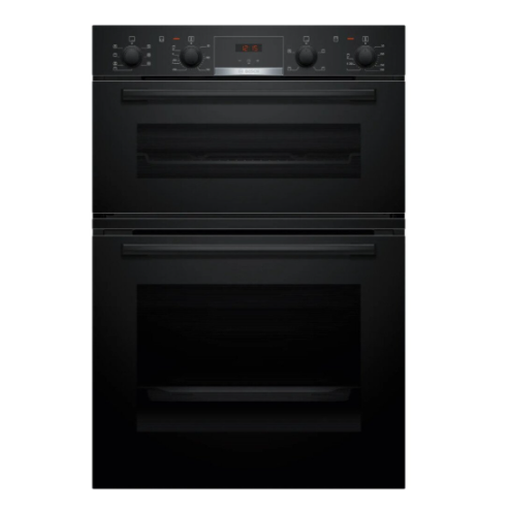 No image available
Consider its two-cavity format if sides or dessert regularly need separate cooking space from the lasagne.
Bosch lists 3D Hotair for the MBA533BB3B and specifies a fixed electrical connection by an electrician. Check the required housing and whether your lasagne dish fits the intended shelf.
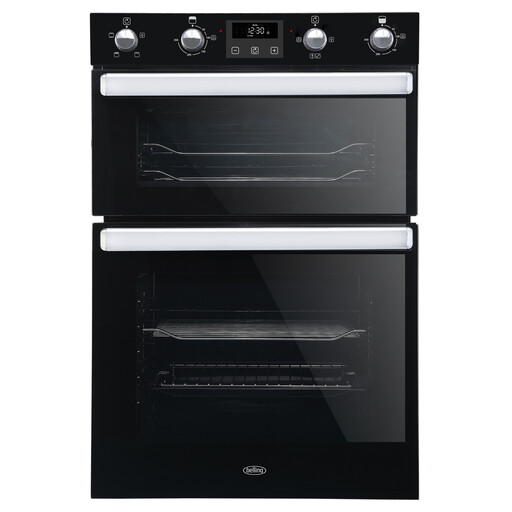 No image available
This double-oven format is worth considering if the lasagne and another dish need separate cooking spaces.
The product name specifies an A energy rating. Check the cooking modes in each cavity, the installation requirements and usable shelf dimensions against your meal and kitchen.
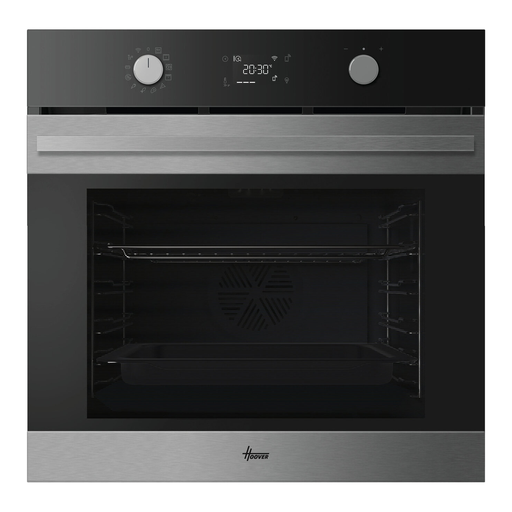 No image available
A single cavity may suit a substantial lasagne when you do not need a second cooking space.
The product name specifies 70L capacity and pyrolytic cleaning. Confirm whether this exact oven fits your intended installation: its built-in and freestanding descriptions conflict. Follow its cleaning-cycle instructions and check dish clearance.
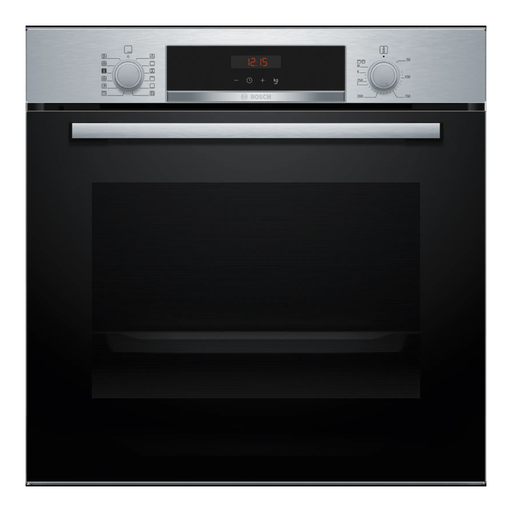 No image available
Its single-cavity format suits consideration when one family-sized bake is the main job and a second oven is unnecessary.
The product name specifies pyrolytic cleaning and an A energy rating. Check the exact cooking modes, cabinet and electrical requirements, cleaning instructions and shelf clearance before choosing it.
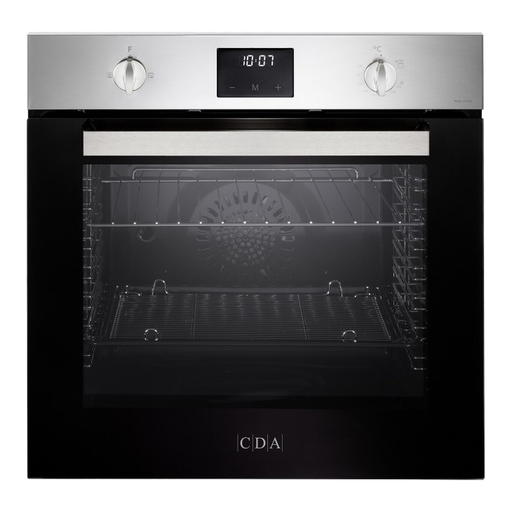 No image available
Consider this single gas oven only if its fuel supply and cooking modes suit your kitchen and lasagne routine.
The product name specifies 70L capacity and a fan oven. Confirm the required gas connection and installation, check whether the fan mode has its own surrounding heating element, and measure the usable shelf space for your dish.
Use the oven’s true-fan setting if the recipe and model instructions support it. Which? explains that this mode circulates heat from an element around the fan; dish depth, quantity and starting temperature still affect when the lasagne is ready, so check it before serving.
No: a 20°C reduction is not a universal conversion. AEG gives that guidance for its SurroundCook or True Fan Cooking function; use the directions for your particular oven mode and recipe.
A 72L rating alone cannot confirm that your dish fits. Beko and AEG list that capacity for the BBXIF243 and BCX33501KB respectively, but you still need to compare your dish and handles with usable shelf dimensions and check the appliance’s cabinet requirements.
Do not assume it can: connection requirements depend on the exact model. Bosch specifies that its MBA533BB3B has no plug and needs electrical connection by an electrician, so check the housing and supply before ordering a replacement.
Compare the exact oven’s energy label and product information for your delivery location. Energy information helps you compare models, but it does not establish whether your lasagne dish fits or how a particular recipe will cook.