Hosts cooking more than one dish
If the coffee cake is part of a larger meal, consider how many dishes need oven space at once. Usable shelf area and the arrangement of cooking cavities matter alongside the cake tin’s fit.


For an occasional coffee cake, a countertop convection oven may be enough if the tin fits with the required clearance. A built-in single oven suits a kitchen needing one cavity, while a double oven is worth considering when the cake and other dishes need separate cooking space. Check the exact cooking mode, usable shelf dimensions and installation requirements before choosing; a fan setting alone does not establish how evenly a particular cake will bake.
If the coffee cake is part of a larger meal, consider how many dishes need oven space at once. Usable shelf area and the arrangement of cooking cavities matter alongside the cake tin’s fit.
A countertop oven avoids fitting an appliance into cabinetry, but check its internal dimensions, required ventilation space and power requirements before planning a cake bake.
Start with the existing cabinet recess and available electrical or gas connection. Compare cooking functions only after confirming that the replacement can be installed as its manufacturer requires.
Consider it when: Baking is occasional and a model’s internal dimensions accommodate your cake tin with the required clearance.
Trade-off: A compact cavity can restrict tin size and leave little room for other dishes; check ventilation and power instructions too.
Consider it when: You want a fitted oven and usually need only one cooking cavity for cakes and meals.
Trade-off: The cabinet recess and connection must suit the exact model, and the cake may have to share oven time with other dishes.
Consider it when: You regularly need separate cooking space for a cake and the rest of a family meal.
Trade-off: Check the dimensions and functions of each cavity separately, as well as the fitting requirements and additional surfaces to clean.
For coffee-cake baking alongside a family meal, check tin fit and the intended cooking mode before deciding how much separate cooking space you need.
| Concern | What to check | Who this matters to |
|---|---|---|
| Even baking | Identify the exact fan or conventional mode and the recipe’s recommended temperature and shelf position. | If the coffee cake is the centrepiece, I want a cooking mode I can match to the recipe rather than relying on a fan label alone. Around 40% of consumers put even cake baking first. |
| Space for the meal | Compare the tin’s external dimensions with usable shelf space, then check the number and arrangement of cavities or shelves. | When other dishes need oven time, I would rather plan the cooking space than discover that the cake requires a separate batch. For around 30% of consumers, room for the family meal is the primary concern. |
| Kitchen fit and connection | Check the recess or countertop clearances and the model’s electrical or gas installation instructions. | If I am replacing a fitted oven or placing one on a worktop, it needs to suit my available space and supply. Kitchen fit and connection come first for around 20% of consumers. |
| Cleaning | Compare the stated cleaning method and the manual’s instructions for shelves, liners and door glass. | With repeated baking and hosting, I want a cleaning routine I can manage after crumbs or topping spill. Around 10% of consumers prioritise that day-to-day upkeep. |
A fan describes a cooking function, not the usable width or height around a tin. Capacity in litres does not establish whether its handles or loose-bottom mechanism will clear the shelf and cavity.
Measure the whole tin and compare it with the exact oven’s internal and shelf dimensions.
A fitted oven must suit its cabinet recess and the connection specified for that model. Electrical Safety First advises checking an oven’s power requirements before choosing it.
Read the installation instructions, confirm the recess and connection, and seek a qualified installer’s advice where the supply is uncertain.
An unsuitable recess or connection can mean cabinetry changes or electrical work before the oven can be used.
Electrical Safety First warns that high-power ovens and grills can overload extension leads, particularly alongside other large appliances, creating a fire risk.
Follow the appliance’s supply instructions and ask a qualified electrician if you are unsure whether the circuit is suitable.
Extra levels are most useful when you will actually cook several items during the gathering. Bosch and NEFF describe multi-level hot-air features on selected ovens, but those manufacturer descriptions do not establish how a particular coffee cake will turn out.
If you usually bake one item at a time, prioritise tin fit, a suitable cooking mode and manageable cleaning instead.
Consider Bosch models when comparing built-in fan ovens with multi-shelf cooking features.
Consider selected NEFF ovens if multi-level hot-air cooking is relevant to the rest of the meal.
AEG’s OU5AB20CK is a specific built-in option to consider when comparing true-fan cooking and cleaning features.
These Joybuy choices cover built-in single and double ovens for a coffee cake served with a family meal. They include electric models and a gas fan oven; compare each model’s cooking mode, tin clearance and installation requirements before deciding.
 No image available
Consider the two-cavity format if the cake and other dishes need separate oven space.
The stated 90 cm size is not a substitute for checking the required housing dimensions or whether your tin fits the intended cavity. Check the model’s installation instructions and cooking modes before ordering.
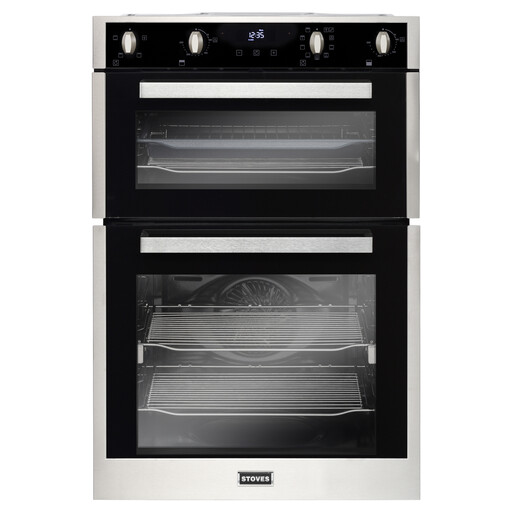 No image available
The double-oven format is worth considering when a cake and savoury dishes need separate cooking space.
Check which cavity and cooking mode suit the cake, then confirm shelf clearance, recess dimensions and electrical connection requirements for this model.
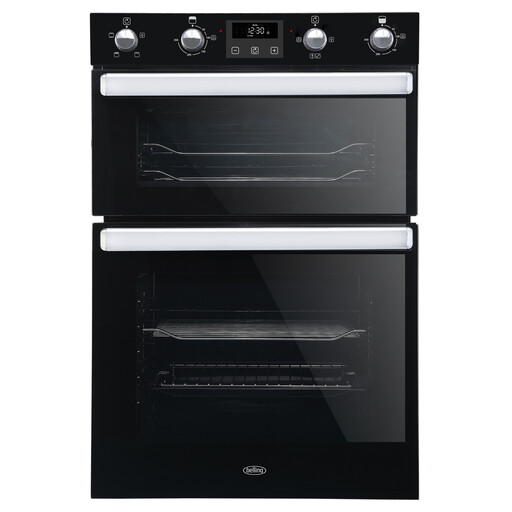 No image available
Consider this two-cavity format if preparing the rest of a family meal competes with cake-baking time.
Confirm the cooking function and usable shelf space in the cavity you plan to use for the cake, along with cabinet fit and electrical installation requirements.
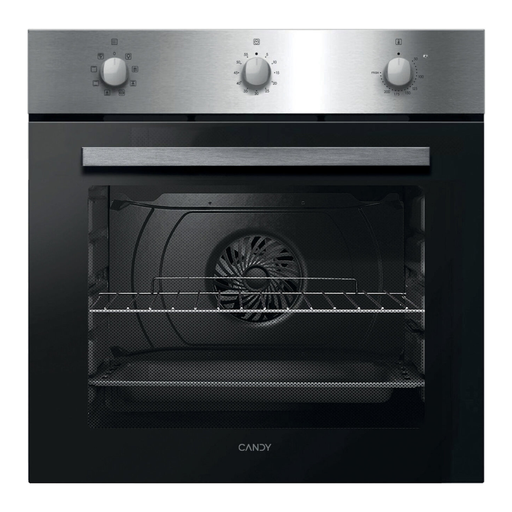 No image available
A single cavity suits households happy to schedule the coffee cake and other dishes around one oven.
The stated capacity is 65L, but check the usable shelf dimensions against your tin. Confirm the recipe-appropriate cooking mode, cabinet recess and electrical connection in the model instructions.
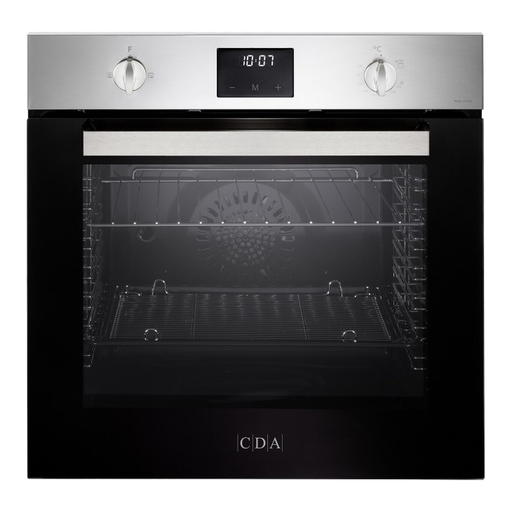 No image available
Consider this single-cavity gas option only if a suitable gas installation is part of your kitchen plans.
It is described as a 70L fan oven. Confirm the tin’s fit and the cooking instructions for your recipe; professional installation and the correct gas type and connection must also be confirmed. LPG conversion is stated to require a conversion kit.
Yes, if the tin fits and you follow the recipe’s fan-oven adjustments where required. Which? explains that a true fan oven circulates heat from an element around the rear fan, but conventional top-and-bottom heat can also suit some single-shelf bakes. Check the chosen oven’s manual for the appropriate mode and shelf position.
Match the new oven to the cabinet recess and its required connection before comparing cooking features. Electrical Safety First advises reviewing power requirements and seeking a qualified electrician’s advice if the suitability of an electrical supply is unclear; follow the exact model’s installation instructions.
Do not assume an extension lead is suitable. Electrical Safety First warns that ovens and grills can overload one, particularly when other large appliances share it. Follow the appliance’s supply instructions and consult a qualified electrician if you are unsure about the circuit.
Let it cool fully and follow the cleaning instructions for that exact model. Methods differ: AEG specifies Aqua Clean for its OU5AB20CK, while other ovens may use different liners or cleaning systems. Check how the shelves and door glass should be cleaned before using any product or cleaning cycle.