Who each format suits
The useful distinction for dinner-party cooking is whether you need a separate cavity, several trays in one cavity, or an additional oven that sits on the worktop.
Frequent dinner-party hosts
If fritters must cook while sides or dessert follow a different schedule, separate cavities give you two cooking zones. If the dishes can share a temperature and cooking mode, check whether a single oven's multi-shelf function provides enough tray space instead.
Single-oven cooks seeking even browning
If you have space for one built-in oven, look for a fan function intended for cooking on multiple shelves. Check evidence for the exact model's heat distribution rather than assuming every shelf will brown fritters alike.
Compact-kitchen hosts needing extra capacity
A countertop convection oven may provide another cooking zone without changing cabinetry. Its usefulness for fritter batches depends on the tray area you can actually use, as well as worktop space and electrical requirements.
Relevant brands to consider
These model examples show functions worth comparing; a feature stated for one oven should not be assumed to apply across its brand's range.
Bosch
The MBA533BB3B is a built-in double oven to consider when separate cavities would help with a dinner-party menu.
- Bosch describes its MBA533BB3B 3D Hotair function as distributing heat across up to three levels.
- Check which cavity has that function, each cavity's usable tray space and the installation requirements before deciding whether this model suits your menu.
NEFF
The B1ACE4AG3B is a built-in single oven for cooks assessing whether several trays can share one cavity.
- NEFF describes its B1ACE4AG3B CircoTherm function as suitable for cooking on up to three levels; a 71-litre cavity is listed for the model.
- It remains a single cooking zone. Check cabinet fit and electrical connection requirements rather than treating it as a countertop replacement.
AEG
The BSX23101XM is a built-in oven to compare if multi-level cooking and a stated cleaning system matter to you.
- AEG describes the BSX23101XM as having Multilevel Cooking and an Aqua Clean system.
- Check the exact model's dimensions, usable shelf space and cleaning instructions; those features do not establish the same cooking results or maintenance routine for every AEG oven.
Joybuy oven options
These built-in choices cover a double-oven route for separate dishes and a single fan-oven route for a menu that can share one cavity. Check tray fit and installation requirements for either model before ordering.
 No image available
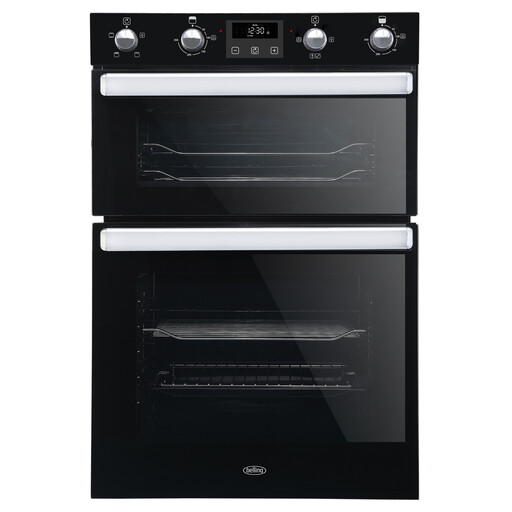
Belling BEL BI902FP Double Built-In Oven, Black
This double electric oven suits a menu that calls for fritters and another dish to use separate cavities. Before ordering, check which cavity offers the cooking mode you need, whether your trays fit and whether your kitchen can accommodate its installation and electrical connection.
View on Joybuy
 No image available
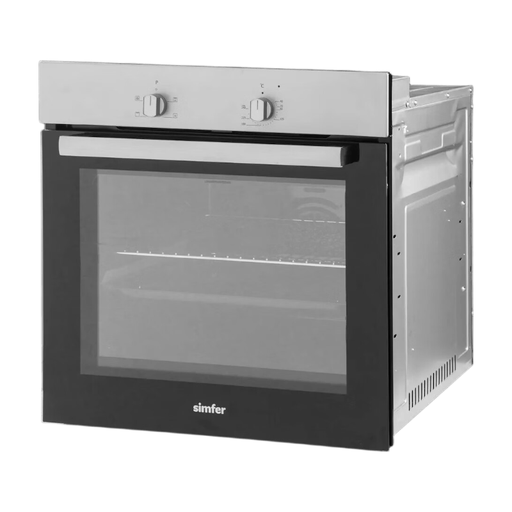
Simfer FO60S Single Built-In Fan Oven, Silver
This single electric fan oven suits a menu that can share one cooking schedule. Check its usable tray area and shelf arrangements for your fritter batches, along with cabinet fit and electrical connection requirements.
View on Joybuy
Common questions
Is a double oven worth considering for dinner-party fritters?
A double oven is worth considering when fritters and other dishes need different cooking times or temperatures. If the whole menu can share one schedule, a single fan oven with suitable tray space may meet your needs without a second cavity.
Can a countertop convection oven replace a built-in oven for hosting?
It can serve as an extra cooking zone or suit a compact kitchen, but do not assume it will accommodate the same fritter trays as a full-size built-in oven. Compare internal rack dimensions, usable shelf positions, worktop clearance and electrical requirements against your planned batches.
Will I need an electrician for a built-in electric oven?
That depends on the model's connection requirements and your existing kitchen installation. Electrical Safety First advises checking power requirements and seeking advice from a qualified electrician where needed; confirm the connection type before ordering.
Should I compare oven energy labels?
For domestic ovens covered by UK energy-labelling requirements, the energy label and product information sheet provide stated information you can compare. GOV.UK says products in scope must be supplied with an accurate printed label and accompanied by a product information sheet; compare comparable oven types and cavity configurations rather than treating a label as a prediction for one dinner party.


