
24/7 Customer Support

Free returns

Same-day & Next-day Delivery

Quality Guaranteed

Unlock Your Welcome Offers: FREE Delivery | Up to 80% OFF | Free 30-day JoyPlus trial
Download the APP
A cooker hood should remove steam, grease and cooking odours without becoming a noisy, awkward appliance that you stop using. Yet many UK buyers focus on appearance or maximum airflow alone and overlook installation requirements, filter costs and everyday usability.
Before choosing between a chimney cooker hood, kitchen extractor hood or built-in cooker hood, watch for three common buying traps:
Measure the hob and the available wall or cabinet space before browsing designs. The hood should provide suitable coverage for the cooking area, while the installation height must follow the product manual and the hob manufacturer’s requirements.
A wall-mounted cooker hood generally offers a visible canopy and chimney section. An angled cooker hood can improve headroom, particularly in a compact kitchen, while a built-in cooker hood integrates into cabinetry for a more discreet appearance. Visor and telescopic models can be useful where cupboard space is limited.
Check:
Airflow is usually shown in m³/h. Higher figures can be useful for frying, boiling and cooking several pans, but the number should be considered alongside noise, ducting and the size of the room.
A ducted cooker hood sends air outside through a suitable duct. This can reduce the need for odour-filter replacement, although installation may be more involved. A recirculating cooker hood returns filtered air to the room and can suit flats, rented homes or kitchens without an external vent. It normally needs compatible carbon filters.
Do not assume that recirculation delivers the same odour removal as external extraction. Check whether carbon filters are included, optional or sold separately.
Noise is measured in decibels, often at the highest setting. A difference of several decibels can be noticeable in an open-plan kitchen, but compare like-for-like settings rather than maximum figures only.
Useful everyday features include:
Energy labels are also worth checking. An energy-efficient cooker hood may use less electricity over time, but annual consumption depends on the model and usage pattern. Look at the stated kWh figure rather than relying on the class alone.
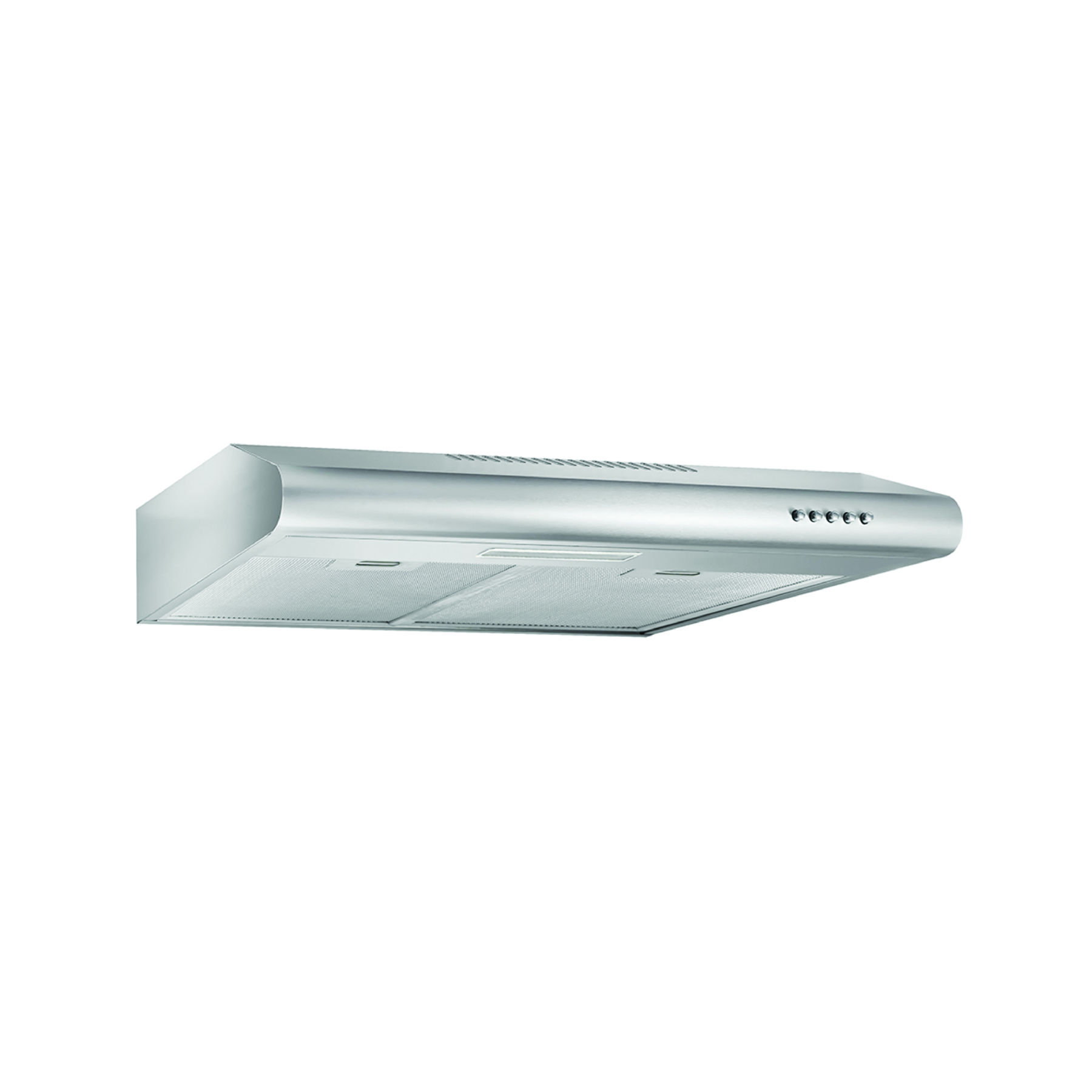
Why This Fits Their Persona: Its slim 60cm format suits standard UK kitchen layouts and straightforward replacement projects where simple controls and flexible installation matter.
The listed 197 m³/h maximum airflow is clearly stated, helping buyers avoid confusing modest everyday extraction with boost-level figures. Ducted and recirculating options are specified.
Three push-button speeds, LED lighting and a removable aluminium grease filter provide uncomplicated daily operation.
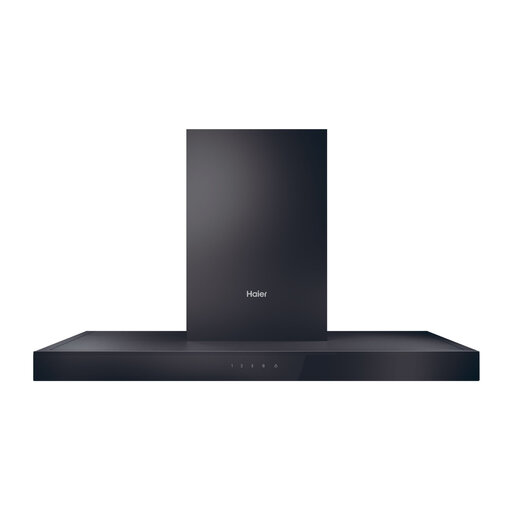
Why This Fits Their Persona: The 90cm wall-mounted format, touch display and adjustable extraction settings suit larger contemporary kitchens and frequent home cooking.
The specification separates standard extraction from boost airflow, listing up to 611 m³/h as standard and 806 m³/h on boost. Ducted and recirculation modes are both identified.
It has four speed settings, a timer, LED lighting, A+ energy rating and a stated minimum-to-maximum noise range of 57–69 dB(A).
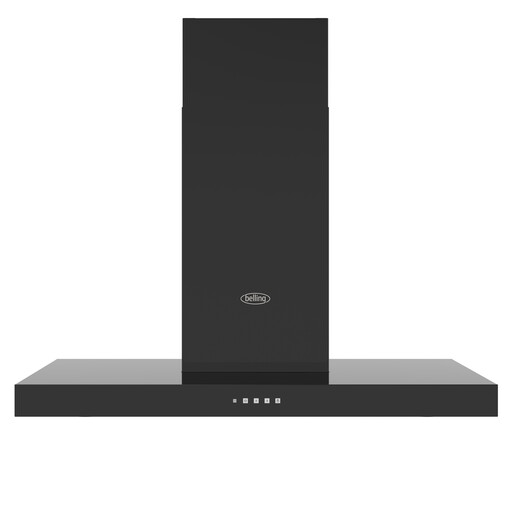
Why This Fits Their Persona: Its 100cm canopy is suited to larger hobs and range-style cooking, particularly where several pans are used at once.
The broader canopy addresses coverage concerns, while ducted and recirculation installation gives flexibility when an external route is unavailable.
It includes three speeds, LED lighting, aluminium grease filters and adjustable chimney sections. The listed energy class is typically D, subject to batch details.

Why This Fits Their Persona: The recessed design suits cabinet-led renovations, landlords and homeowners wanting ventilation without a prominent wall feature.
The 599mm width is stated clearly for cabinet planning, and both external ducting and recirculation are supported. The recirculation filter is specified as included.
The specification lists A+++ energy class, up to 640 m³/h at the highest listed step, push-button controls and a washable aluminium filter.
Use a qualified installer for electrical connection and follow the supplied instructions. Confirm the required clearance above the hob, outlet diameter and whether a backdraft prevention arrangement is needed for your layout. In a rented property, obtain the landlord’s approval before altering walls, cabinets or external ducting.
Clean grease filters regularly, particularly after frequent frying. Never operate the hood without its filters fitted, and disconnect the power before cleaning. Do not flambé beneath the appliance, as open flames can ignite accumulated grease.
We have compiled a complete, real-time list of products that fully satisfy these strict selection criteria and UK safety regulations.
No. A ducted cooker hood vents air outdoors, while a recirculating cooker hood filters and returns air to the kitchen. Recirculation can be practical where external ducting is not possible, but carbon filters need appropriate maintenance.
For regular home cooking, check washable grease filters every few weeks and clean them according to the manual. Heavy frying may require more frequent cleaning. Carbon filters used in recirculation generally have a replacement interval set by the manufacturer.
Running cost depends on wattage, electricity tariff, speed and daily usage. Compare the stated annual energy consumption in kWh and use lower settings for lighter cooking where suitable. LED lighting can also use less electricity than older lamp types, but the appliance’s complete energy label remains the more useful comparison.