Late-arrival cottage cooks
If dinner preparation starts after a journey or day out, you may want to brown oxtail and then use a pressure-cooking programme rather than plan an all-day stew.


Choose a pressure-and-slow-cook multicooker if you might start the oxtail stew after arriving; choose a slow-cook-led model if you can begin hours before dinner. A large slow cooker suits a planned group meal, but check whether browning needs a separate pan. Whichever route you take, allow for the cooker’s fill limits, the weight of a hot pot and the space available in the cottage kitchen.
If dinner preparation starts after a journey or day out, you may want to brown oxtail and then use a pressure-cooking programme rather than plan an all-day stew.
If you can start cooking earlier, a slow-cook programme gives you a longer cooking window with less active attention once preparation is done.
If you are feeding several people or want leftovers, consider usable pot capacity alongside how you will lift, serve from and clean the pot.
Choose when: A late start makes a long slow cook impractical, but you still want the option to cook slowly on another day.
Allow for: Pressure cooking requires the correct lid, sufficient liquid, room below the fill limit and careful pressure release.
Choose when: You can start the stew well before serving and want other cooking programmes in the same appliance.
Allow for: A slow-cook programme does not itself provide a pressure-cooking route if dinner starts late.
Choose when: A planned stew for a group matters more than shortening the cooking stage.
Allow for: Browning may need a compatible hob and pot or a separate pan; the full pot can also be awkward to handle.
For oxtail stew in a holiday cottage, decide which need takes priority: flexibility after a late arrival, an easier planned cook, or capacity for the group.
| Concern | What to check | Who this matters to |
|---|---|---|
| Cooking time | Check whether the exact model has both Pressure Cook and Slow Cook, and read its pressure-release instructions. | If I may not start dinner until I reach the cottage, I want the option of pressure cooking rather than relying on an all-day stew. Roughly 42% of consumers put that time flexibility first. |
| One-pot preparation | Look for a brown, sear or sauté function; check whether the pot is removable and how it must be washed. | I would rather brown the oxtail and manage the washing-up without depending on extra cottage equipment. Around 33% of consumers make that planned-cooking convenience their primary concern. |
| Group capacity | Compare the stated litre capacity with the model’s fill limits, and consider how you will lift and rest a hot, full pot. | When I am cooking for the group, I need room for the stew without making serving difficult in an unfamiliar kitchen. About 25% of consumers prioritise batch capacity and handling. |
Programme lists differ. Tefal’s Multicook 8-in-1, for example, lists slow cooking but not a pressure-cooking programme, so its name alone does not establish a shorter cooking route.
If late-start oxtail stew is important, look for Pressure Cook on the exact model’s function list rather than relying on the word multicooker.
A pressure-cooker pot cannot necessarily be filled to the rim with meat, vegetables and stock. Instant Pot’s Duo Plus manual specifies a two-thirds maximum, with a lower limit for expanding foods.
Check the fill marks and manual for the model you choose before deciding what size will serve your group.
Instant Pot warns that a full removable inner pot can be hot and heavy. Lifting it may be especially awkward when you do not yet know the cottage’s worktop layout.
Plan a stable, heat-resistant place to set the pot down and follow the model’s instructions for lifting it.
Delayed start and keep-warm are convenience functions, not substitutes for safe storage and cooking of raw oxtail.
Keep raw meat chilled until cooking, follow the appliance instructions and do not leave ingredients at room temperature simply to fit a timer setting.
The Express CSC051 is a reference point for a 5.6L pressure multicooker that can also slow-cook.
The Duo Plus line is relevant if you want pressure cooking, slow cooking and sautéing with model-specific operating guidance.
The Multicook 8-in-1 is a slow-cook-led option for a stew you can start well before dinner.
The 6.5L Retro model is a reference point for a large slow cooker for a planned group stew.
These Joybuy choices cover pressure-and-slow-cook multicookers for a possible late start, a slow-cook-led multicooker for a planned meal, and larger slow cookers for group stews. Choose the cooking route before comparing pot size and handling.
 No image available
Consider this if you want a pressure-cooking option for a late start as well as slow cooking for a meal planned earlier.
 No image available
This is another option if you need both pressure and slow cooking for different cottage-day schedules.
 No image available
Consider this for a stew you can start well before serving, rather than one that depends on pressure cooking after a late arrival.
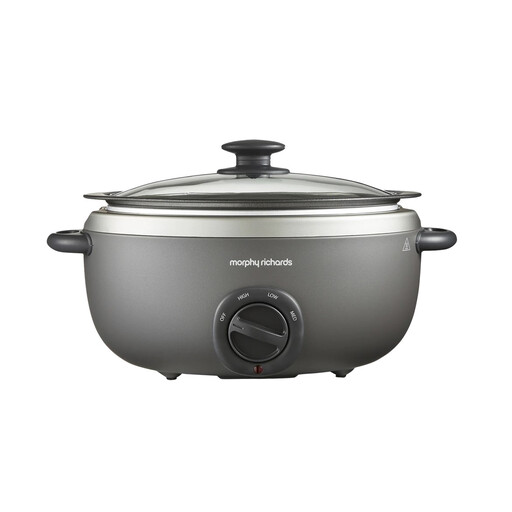 No image available
This suits a group stew planned ahead, particularly if browning before slow cooking matters to you.
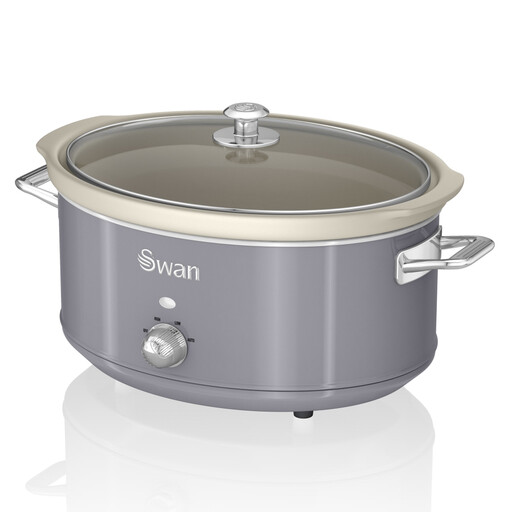 No image available
Consider this when you can start the stew early and want a larger slow-cooker pot for the group.
Choose pressure cooking if you need to start after arriving; choose slow cooking if you can begin hours before dinner. A model with both programmes offers either route, provided you follow its instructions for liquid, fill level, lid and pressure release.
Yes, if the exact model has a brown, sear or sauté function. Crock-Pot lists an adjustable brown/sauté setting for its Express CSC051; with a slow cooker that has no suitable searing option, you may need a separate pan.
Start with the manual for the exact cooker and use its supplied lid. Set the appliance on a stable, suitable surface, add the required liquid, observe its fill limit and valve instructions, and never move or force open it while pressurised. Check the cottage’s appliance rules before use.
Cool and refrigerate leftovers promptly, keeping raw meat separate from cooked food and reheating the stew until steaming hot throughout. NHS food-safety guidance advises cooling food as quickly as possible, ideally within 1 to 2 hours, before putting it in the fridge or freezer.