
24/7 Customer Support

Free returns

Same-day & Next-day Delivery

Quality Guaranteed

Unlock Your Welcome Offers: FREE Delivery | Up to 80% OFF | Free 30-day JoyPlus trial
Download the APP
Choosing new cookers and hobs can feel overwhelming. You are not just buying an appliance; you are investing in the heart of your kitchen for years to come. However, the market is filled with features that sound impressive but often lead to buyer's remorse. Before you commit, it is crucial to understand the common pitfalls that catch many UK households out.
Many buyers are caught off-guard by three key issues:
To make a confident choice, focus on the fundamentals rather than the marketing jargon. These three parameters will determine your daily cooking experience.
This is the most important decision. Each type has distinct advantages for different cooking styles.
Your kitchen layout will dictate this choice. Always measure your space carefully, paying attention to the required ‘cut-out’ dimensions for a built-in hob, not just the overall product width.
Look past the flashy names and focus on features that provide genuine, practical benefits.
We have filtered through the options to match specific appliances to the people who will get the most out of them.
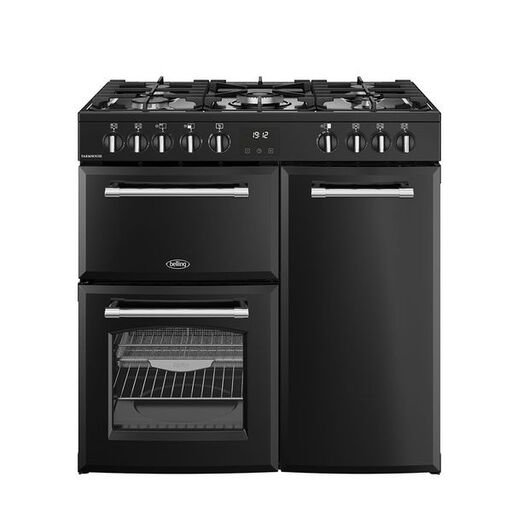
Why This Fits Their Persona: This 90cm range cooker is built for large households. With three separate oven and grill cavities totalling 174 litres and a 5 burner gas hob, it can handle a full Sunday roast, batch baking and daily meals simultaneously without compromise.
It directly solves the "mismatched power and size" pitfall by providing enormous capacity and a powerful 4.0kW wok burner. The Easy-Clean Enamel interior also addresses the cleaning headache.
Massive cooking capacity across three cavities and the versatility of a dual fuel setup. Includes a modern AirFry function for healthier cooking.
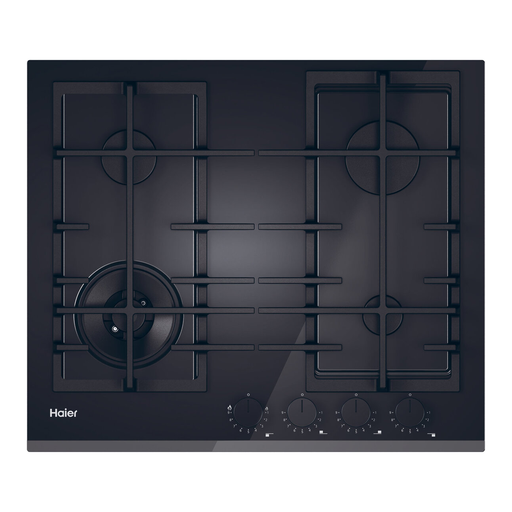
Why This Fits Their Persona: For those who love the control of gas but want a sleek, modern look. This gas on glass hob provides a seamless black glass surface that integrates perfectly into contemporary kitchens and is far easier to wipe clean than stainless steel.
It is a direct solution to the "easy-clean myth." The tempered glass surface eliminates the dirt traps and smudging issues common with traditional gas hobs, making cleanup a simple wipe-down task.
Combines gas cooking control with a sleek, easy-to-clean surface. Haier's Preci Flame technology offers 9 distinct power levels for more accurate heat adjustment than standard gas hobs.
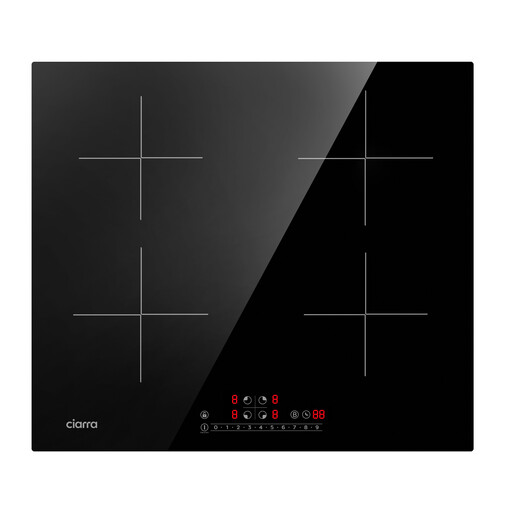
Why This Fits Their Persona: Ideal for landlords or renovators on a budget who need a modern, safe and efficient solution. This induction hob offers high-end features like a power booster and touch control in a standard 60cm format, providing great value and tenant appeal.
It sidesteps the "installation reality" trap for high-power hobs by being a standard 60cm model, though it still requires hardwiring by a qualified electrician. Its induction nature makes it inherently safe (no open flame) and easy to clean.
Offers the speed, safety and efficiency of induction cooking at an accessible price point. Features include a Power Booster for rapid heating and a child lock for safety.
We have compiled a complete, real-time list of products that fully satisfy these strict selection criteria and UK safety regulations.
1. Do I need a special engineer to install my new cooker or hob? Yes, in most cases. Any appliance that uses gas, including gas hobs and dual fuel cookers, must be installed by a Gas Safe registered engineer in the UK. This is a legal requirement for your safety. For electric hobs, especially powerful induction or ceramic models, a qualified electrician is required to ensure it is safely connected to a suitable circuit, which may involve hardwiring rather than using a standard plug.
2. What is the difference in running costs between gas, induction and ceramic hobs? Historically, gas has been cheaper per unit of energy than electricity in the UK, making gas hobs generally less expensive to run. However, induction hobs are the most energy-efficient type, transferring around 85-90% of their energy directly to the pan, compared to about 70% for ceramic and only 40-50% for gas. This high efficiency can help offset the higher cost of electricity, making the running costs more comparable over time, depending on usage and energy tariffs. Ceramic hobs are the least efficient of the electric options.
3. How long should a good quality hob or cooker last? The lifespan of cookers and hobs depends on the brand, build quality and how well they are maintained. On average, you can expect a good quality appliance to last between 10 and 15 years. Regular cleaning and following the manufacturer's usage guidelines can help prolong its life. Features like durable cast iron pan supports on a gas hob or shatter-proof glass on an electric hob are indicators of a longer-lasting product.