
24/7 Customer Support

Free returns

Same-day & Next-day Delivery

Quality Guaranteed

Unlock Your Welcome Offers: FREE Delivery | Up to 80% OFF | Free 30-day JoyPlus trial
Download the APP
The classic combination of rich chocolatey biscuit and smooth, sweet cream is a flavour that few can resist. From post-workout protein shakes to afternoon tea biscuits, the "cookies and cream" profile has become a staple. However, with so many options on the market, it's easy to fall for marketing hype and end up with a product that disappoints.
As a Joybuy Product Recommendation Officer, my role is to help you navigate the choices and identify products that deliver on their promise. This guide will highlight common pitfalls to avoid and break down the key factors to check before you buy, ensuring your next cookies and cream purchase is a satisfying one.
Many products use the popular cookies and cream flavour to mask underlying issues. Here are two of the most frequent traps UK consumers encounter:
Oreo cookies or similar biscuits.To avoid these traps, focus on two key areas before adding an item to your basket. This simple check will help you distinguish genuine quality from clever marketing.
Always look at the per 100g column on the nutritional information table. This allows for a fair, like-for-like comparison between different products, regardless of their serving size.
cookies and cream protein bar or cookies and cream protein powder, check the protein content per 100g. Also, note the source—whey, casein and milk proteins are common in dairy-based products, while pea and soy are typical in vegan cookies and cream options.sugar free cookies and cream biscuits, check the "of which sugars" line. If it's low, look at the ingredients list for sweeteners like maltitol, sucralose or stevia. Be aware that sugar alcohols can have laxative effects if consumed in excess.low calorie treats and diet-focused products.The ingredients list reveals the true source of the flavour. Are there actual "cocoa powder" and "biscuit crumbs" listed, or does it just say "flavourings"? While flavourings are not inherently bad, products that use real ingredients often provide a more authentic and satisfying taste. This is also where you can confirm if a product is palm oil-free or suitable for your specific dietary needs.
To help you choose, we've matched some popular cookies and cream products to different needs and lifestyles.
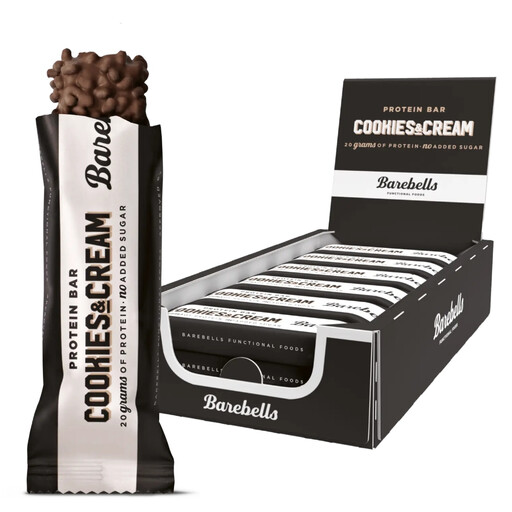
Why This Fits Their Persona: Ideal for the UK fitness enthusiast who needs a convenient, high-protein snack to throw in their gym bag. It supports muscle recovery without the high sugar content of a typical confectionery bar.
It sidesteps the "healthy halo" trap by delivering a genuinely strong nutritional profile. The flavour is widely regarded as dessert-like, avoiding the artificial taste pitfall common in other protein bars.
Contains 20g of protein per bar with no added sugar, making it a functionally effective and satisfying high protein snack.

Why This Fits Their Persona: Perfect for the health-conscious individual or diabetic in the UK looking for a classic biscuit experience without the sugar. It's a straightforward swap for a traditional biscuit with a cup of tea.
This product is transparent about its purpose. It is explicitly a sugar free cookies and cream biscuit, using sweeteners to achieve its taste, thus avoiding any misleading "healthy halo" claims.
It contains no added sugars and is high in fibre (9.0g per 100g), making it a more considered choice for those managing their sugar intake.
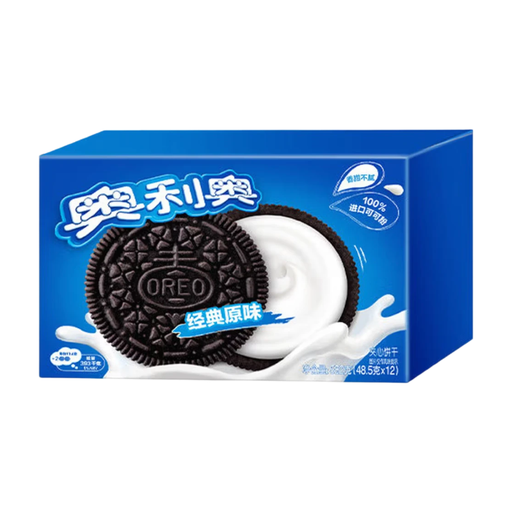
Why This Fits Their Persona: For those who want the authentic, uncompromising flavour. This large pack is ideal for family movie nights, children's parties or simply stocking the biscuit tin with a reliable favourite.
It makes no attempt to be a health food, thereby avoiding the "healthy halo" trap entirely. It is the benchmark for the flavour, so it cannot fall into the "artificial taste" pitfall—it is the original.
Provides the iconic, globally recognised cookies and cream flavour. The large 582g pack is excellent value for sharing.
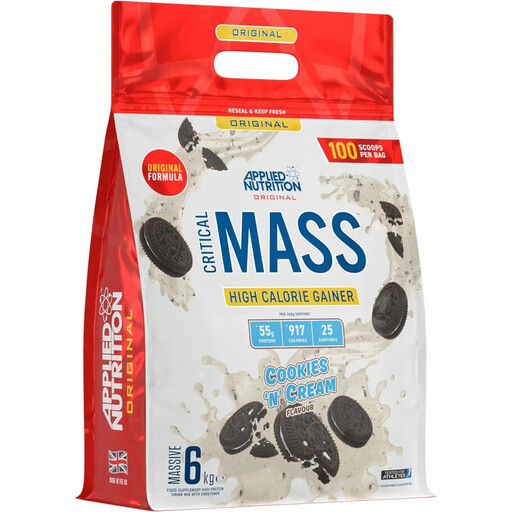
Why This Fits Their Persona: This is a specialised tool for athletes and 'hardgainers' in the UK who need to consume a significant calorie surplus to build mass. It's not a snack, but a core part of a structured nutrition plan.
It is unapologetically a high-calorie, high-carbohydrate mass gainer. It avoids the "healthy halo" trap by being exactly what it claims to be—a tool for weight gain, not a low-calorie diet food.
Delivers a substantial serving of calories, carbohydrates and a multi-source protein blend to support muscle growth. The large 6kg tub offers a long-term supply.
We have compiled a complete, real-time list of products that fully satisfy these strict selection criteria and UK safety regulations.
While "sugar-free" options are better for managing blood sugar levels, they aren't necessarily "healthy" in all aspects. They still contain calories, fat and carbohydrates. Many use sweeteners like maltitol, which is a sugar alcohol. While it has fewer calories than sugar, it can cause bloating or digestive upset in some people if eaten in large quantities. They are best enjoyed as a considered treat within a balanced diet, rather than a free-for-all healthy snack UK.
The primary difference is their caloric and macronutrient composition.
Applied Nutrition whey protein): This is primarily a protein source. It's designed to be high in protein but relatively low in carbohydrates and fats. It's used to help with muscle repair and meeting daily protein goals without adding a large number of calories.Yes, the market for vegan cookies and cream products is growing. Many brands now offer plant-based protein bars and powders using protein sources like pea, soy or a blend of both. When checking these, ensure the "cream" element is derived from non-dairy sources and always check the full ingredients list and allergen warnings for any traces of milk. The YuBi Bar Protein Nutrition Bar is an example of a plant-based option in this flavour profile.