
24/7 Customer Support

Free returns

Same-day & Next-day Delivery

Quality Guaranteed

Unlock Your Welcome Offers: FREE Delivery | Up to 80% OFF | Free 30-day JoyPlus trial
Download the APP
Choosing the right cooking fat can transform a dish from merely good to truly memorable. Whether you're aiming for the flakiest pastry, the most flavourful stir-fry or the richest curry, the fat you use is a foundational ingredient, not just a medium for heat. However, navigating the world of cooking fats & oils can be confusing. Marketing terms can be vague, and it's easy to end up with a product that doesn't deliver the authentic taste or texture your recipe deserves.
Before you make your next purchase, let's look at a few common pitfalls that UK home cooks encounter:
To ensure you get the right product for your culinary needs, focus on these key parameters. They will help you see past the marketing and choose a fat that genuinely enhances your cooking.
The single most important factor is what the fat is actually made of. For authentic flavour and texture, look for products with a simple, clear ingredients list.
Consider the primary purpose of the fat. A good frying fat needs a high smoke point to prevent it from burning and turning bitter during high-heat cooking. Lard and ghee are excellent for this.
A baking fat, on the other hand, is chosen for the texture and flavour it imparts. Lard is prized in pastry for creating flaky layers, while suet is essential for the distinctive texture of steamed puddings. For creamy, rich sauces in South Asian or Southeast Asian cuisine, a high-fat coconut milk for cooking (typically 17-19% fat) is required, which is very different from the low-fat coconut milk sold as a beverage.
If you find yourself frequently using a particular type of fat, it is often more economical to buy lard online UK or source larger quantities of ghee and other speciality ingredients. Mainstream supermarkets tend to stock smaller, more expensive jars. Buying in larger tins or tubs not only reduces the cost per 100g but also ensures you have your go-to ingredient on hand when you need it.
To help you find the right fit for your kitchen, here are a few recommendations matched to specific cooking styles and needs.
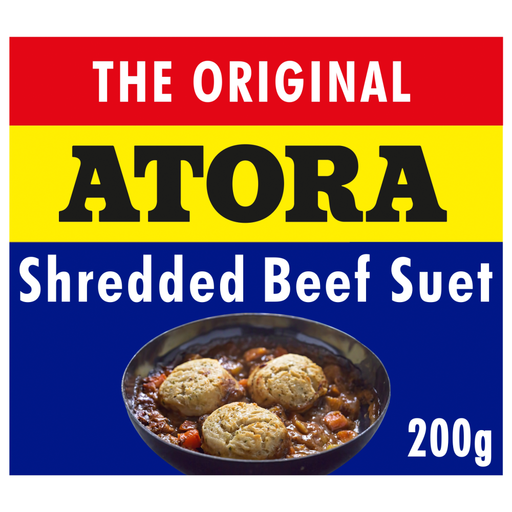
Why This Fits Their Persona: This is the quintessential ingredient for anyone making classic British fare like steak and kidney pudding, jam roly-poly or fluffy dumplings for a stew. It's a non-negotiable for achieving that authentic, time-honoured texture.
It avoids the "one-size-fits-all" fallacy. This is not a generic frying fat; it is a purpose-made baking fat. Its composition of beef fat and wheat flour is specifically designed for creating light, airy baked and steamed goods.
Made with real beef fats for an authentic flavour. The shredded format makes it easy to mix into flour for pastries and dumplings.
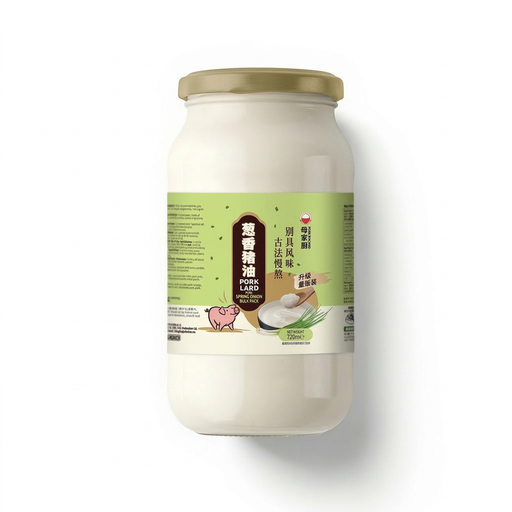
Why This Fits Their Persona: For anyone serious about replicating the authentic taste of Chinese dishes like fried rice, noodles or spring onion pancakes, this infused pork lard is a game-changer. It provides the foundational flavour that vegetable oil simply cannot.
This product directly counters the "purity" trap by being transparent about its purpose. It is 100% pork fat infused with real spring onion, delivering a specific, desirable flavour profile for Chinese cooking oil applications, rather than being a bland, generic fat.
Delivers a rich, savoury flavour with a subtle onion aroma. The large 720ml jar is economical for those who cook Chinese food regularly.
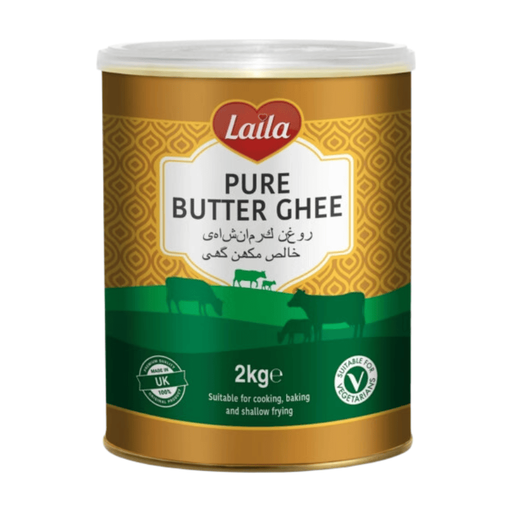
Why This Fits Their Persona: For the home cook who makes curries, dals and biryanis several times a week, a small jar of ghee just won't do. This large 2kg tin offers excellent value and ensures a plentiful supply of high-quality ghee for tempering spices and high-heat frying.
This product avoids both the "purity" and "cost" traps. It is made from 100% butter oil (milk), ensuring authentic flavour. The large 2kg size provides significant cost savings over smaller, supermarket-sized jars.
Excellent value for frequent users. Its high smoke point makes it a versatile choice for all forms of South Asian cooking, from shallow frying to tempering.
We have compiled a complete, real-time list of products that fully satisfy these strict selection criteria and UK safety regulations.
1. What is the difference between lard and suet? While both are animal fats, their uses are distinct. Pork lard is rendered fat that is smooth and creamy, ideal as a general-purpose frying fat and for making exceptionally flaky pastries. Beef suet is the hard fat from around the kidneys, typically sold shredded and mixed with flour. It is a dedicated baking fat used to create a light, spongy and crumbly texture in steamed puddings and dumplings.
2. Can I use any coconut milk for cooking? No, it is important to check the fat percentage. Coconut milk for cooking typically has a high fat content (around 17-19%) which gives it a thick, creamy consistency essential for curries and sauces. Coconut milk sold as a beverage in the chilled aisle has a much lower fat content and a thinner, watery texture, which will not produce the same rich result in your cooking.
3. How should I store traditional fats like ghee and lard? Ghee is very stable due to the removal of milk solids and water. An unopened tin can be stored in a cool, dark cupboard for many months. Once opened, it is often recommended to refrigerate it to maintain freshness, though many keep it in a sealed container in the pantry for shorter-term use. Lard should also be stored in a cool, dry place. After opening, it is best to keep it refrigerated to prevent it from going rancid and to maintain its solid texture. Always check the packaging for specific storage instructions.