
24/7 Customer Support

Free returns

Same-day & Next-day Delivery

Quality Guaranteed

Unlock Your Welcome Offers: FREE Delivery | Up to 80% OFF | Free 30-day JoyPlus trial
Download the APP
Buying cooking oil can seem straightforward until you compare bottle sizes, ingredients, smoke-point claims and intended uses. UK households may need one neutral oil for everyday meals, while meal preppers, caterers and fans of Chinese cooking may prioritise bulk value, high-temperature performance or a more noticeable flavour.
A low shelf price does not always represent good value. A small bottle can cost more per litre, while a large container may be inconvenient to pour or difficult to store. Some oils also have distinctive aromas that do not suit baking or delicate dishes.
A 500ml or 600ml bottle may appear affordable, but a vegetable oil 5L container can offer a lower cost per litre for households that fry regularly or prepare meals in batches. However, buying bulk cooking oil only makes sense if you have enough cupboard space and will use it before its best-before date.
Oil for deep frying needs to tolerate sustained heat, while cooking oil for baking should have a mild flavour that does not overpower cakes, pastries or savoury batters. Extra-fragrant rapeseed or coconut oil can be useful for specific recipes but may not be a practical replacement for a neutral everyday oil.
“Vegetable oil” can refer to a blend rather than a single seed oil. For example, some products combine rapeseed oil with palm or sunflower oil. Check the full ingredients, allergen statement and nutrition panel instead of relying only on the front label. For vegan cooking oil, also check the product’s dietary information and any added ingredients.
A product described as having a high smoke point may be suitable for high-temperature cooking, but your pan temperature, cooking time and amount of oil still matter. Never heat oil until it smokes. For deep frying, use a stable, deep pan or a suitable fryer, avoid overfilling and keep the oil away from open flames.
Neutral vegetable oils are flexible for frying, roasting and baking. Coconut oil is less universal because its aroma and high saturated-fat content may not suit every recipe. Fragrant rapeseed oil is more appropriate when you want the oil itself to contribute to the finished dish.
Large bottles such as 3L or 5L formats can suit busy households and catering businesses, but they are heavy and can be awkward to pour. Store cooking oil in a cool, dry place away from direct sunlight and heat sources, and tighten the cap after use.
Do not pour hot oil back into a plastic bottle. Allow used oil to cool fully, follow your local council’s disposal guidance and avoid tipping it down the sink, where it can contribute to blockages.
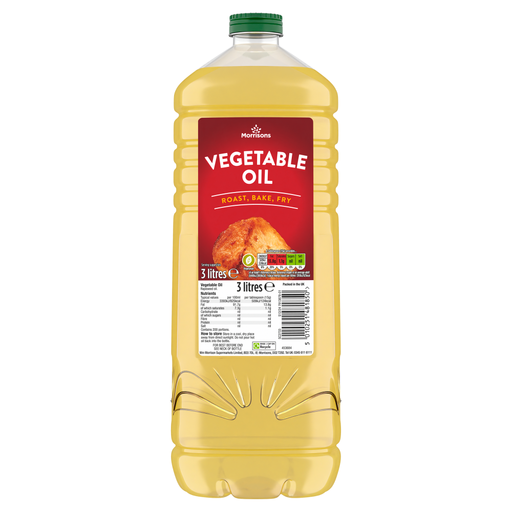
Why This Fits Their Persona: A practical middle ground for UK households that want more than a small bottle without committing to a 5L container. It contains 100% rapeseed oil and is listed for frying, baking, roasting and pan-searing.
The single-oil ingredient list makes it easier to understand what you are buying, while the 3L format balances quantity with handling.
100% rapeseed oil; suitable for everyday high-heat cooking and baking.
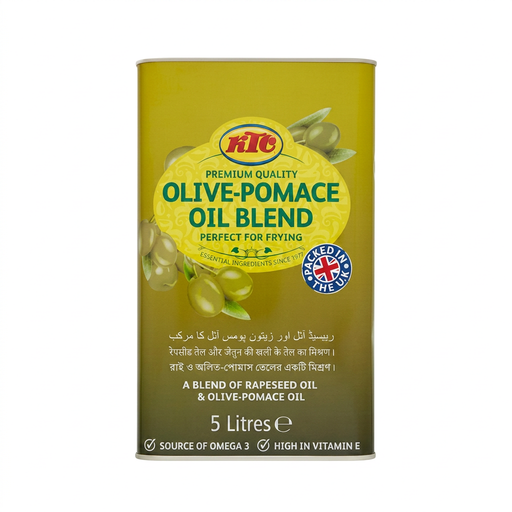
Why This Fits Their Persona: Suits shoppers looking for a large-format oil blend with an olive pomace base for frying, baking and everyday kitchen use.
The label specifies the blend ratio: 52% olive pomace oil and 48% rapeseed oil, plus E900 anti-foaming agent.
5L capacity; labelled suitable for vegetarians and vegans; designed for frying and baking.
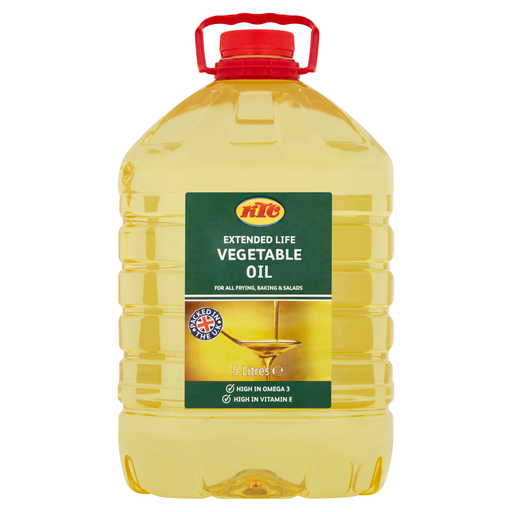
Why This Fits Their Persona: A large everyday supply for meal preppers, busy families and small catering kitchens that regularly fry, roast, sauté or bake.
The 5L size reduces frequent repurchasing, while the listed ingredients identify it as a blend of rapeseed and palm oils.
Neutral-tasting; listed for frying, roasting, baking and sautéing.
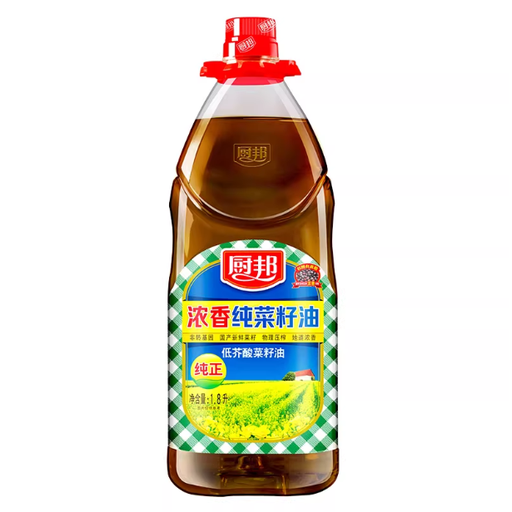
Why This Fits Their Persona: Designed around Chinese cooking methods, including stir-frying, deep-frying, cold dressings and chilli oil preparation.
Its 900ml format lets you try a fragrant oil without storing a large container that may not suit every recipe.
100% canola oil; suitable for stir-frying, deep-frying, dressings and baking.
For occasional baking, small households or recipes that use only modest quantities, a 500ml bottle can reduce storage pressure. Laila Coconut Oil 500ml contains 100% coconut oil, has a mild coconut aroma and is suitable for cooking, frying and baking. Remember that it becomes cloudy or solid below 25°C; this is a normal physical change described on the product information.
For another Chinese cooking option, Lion & Globe Canola Oil 600ml contains 100% pure canola oil and is listed for stir-frying, deep-frying, cold dishes and dipping sauces. Its smaller size may suit shoppers who want a neutral oil for particular recipes without purchasing bulk cooking oil.
Choose an oil labelled for high-temperature cooking, such as a neutral vegetable oil, rapeseed oil, canola oil or olive pomace oil blend. Heat it gradually, avoid smoking and do not leave hot oil unattended. The suitable choice also depends on flavour, batch size and how often you deep fry.
Shelf life varies by product and storage conditions. Keep the cap tightly closed and store the bottle away from heat, light and strong odours. Always follow the best-before information on the packaging and discard oil if it develops an unusual smell, colour or texture.
It can be economical for frequent frying, baking or meal preparation, particularly when the price per litre is lower than smaller formats. Compare unit prices, check the best-before date and make sure the container can be lifted and poured safely before buying.
We have compiled a complete, real-time list of products that fully satisfy these strict selection criteria and UK safety regulations.