
24/7 Customer Support

Free returns

Same-day & Next-day Delivery

Quality Guaranteed

Unlock Your Welcome Offers: FREE Delivery | Up to 80% OFF | Free 30-day JoyPlus trial
Download the APP
Choosing cooking oil is rarely as simple as picking the largest bottle or the lowest price. UK households may need one oil for frying, another for salad dressings and a small bottle of sesame or chilli oil for finishing Asian-inspired dishes. The right choice depends on heat, flavour, ingredients, storage and how quickly you will use it.
Vegetable oil is a category description, not always a single oil. The bottle may contain rapeseed, sunflower, corn or a blend. Check the ingredients list to see exactly what you are buying. For example, Morrisons Vegetable Oil is made from 100% rapeseed oil, while PRIDE Vegetable Oil is a blend of rapeseed oil and sunflower oil.
Cold-pressed oil can retain a more noticeable natural flavour, making it useful for dressings or gentle cooking. However, “cold-pressed” alone does not confirm that an oil is appropriate for deep-frying or very high heat. Always follow the product’s usage instructions and look for suitability for frying, stir-frying or roasting.
A bulk cooking oil bottle can offer convenience for a busy household or catering kitchen, but oils should be kept tightly closed in a cool, dry place away from direct sunlight and heat. Smaller bottles may be more practical when the oil is used occasionally, particularly for strongly flavoured walnut, sesame or speciality chilli oils.
A high smoke point oil is generally more suitable for frying, roasting and stir-frying than an oil intended mainly for cold use. Smoke point can vary according to the oil type, refining process and cooking conditions, so avoid relying on one universal temperature figure.
Refined oils usually have a relatively neutral taste, while extra virgin olive oil, peanut oil, sesame oil and walnut oil can contribute a clear aroma. Consider whether you want the oil to remain in the background or act as a finishing ingredient.
Extra virgin olive oil is suitable for dressings, marinades, dipping and drizzling. A robust oil such as PDO Kalamata extra virgin olive oil may suit grilled vegetables, pasta or salads where its herbal and peppery notes can be noticed.
Read the label carefully, especially when buying for a mixed household. Peanut oil contains peanuts, sesame oil contains sesame and some chilli oils include soya, wheat or other allergens. Momoya Taberu La Yu Spicy Chili Oil, for example, contains sesame and soya, with wheat listed through its soya sauce powder.
Also check whether a product is a pure oil or a seasoned condiment. Chilli oil and roasted onion oil may contain salt, sugar, fried ingredients and flavourings, so they should not be treated as interchangeable with plain frying oil.
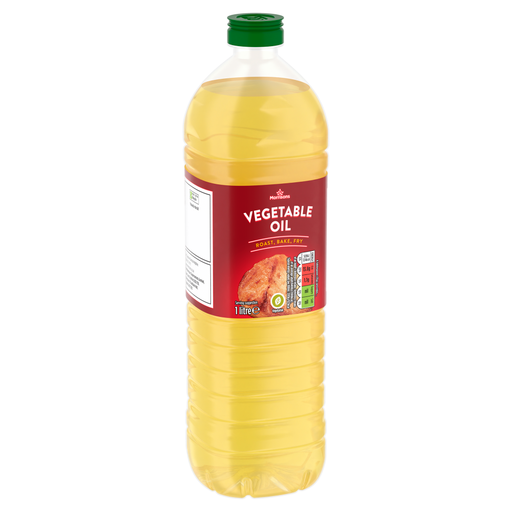
Why This Fits Their Persona: A practical 1-litre option for students, couples and smaller UK kitchens that need one neutral oil for everyday cooking.
The ingredients identify it as 100% rapeseed oil rather than leaving “vegetable oil” unexplained.
Neutral flavour; described as suitable for frying, stir-frying, baking and mayonnaise.
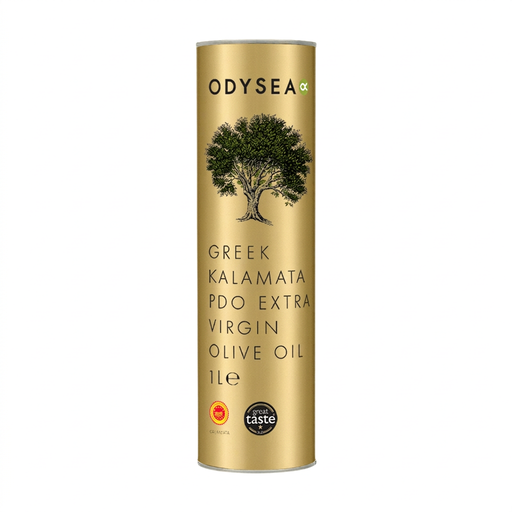
Why This Fits Their Persona: Suits cooks who want a distinctive finishing oil for salads, dipping, pasta and roasted vegetables.
Its PDO designation, olive origin and intended uses are stated clearly, rather than relying only on vague quality language.
100% extra virgin olive oil; listed as vegetarian, vegan and gluten-free.
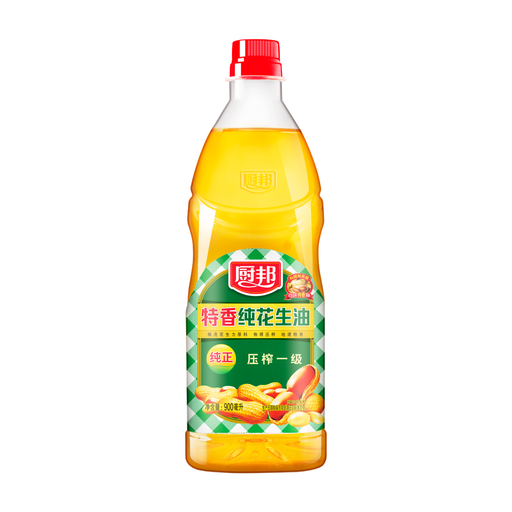
Why This Fits Their Persona: A flavourful option for Asian cuisine enthusiasts preparing stir-fries, fried dishes and other high-heat recipes.
The bottle identifies peanut as an allergen and states its suggested cooking applications.
100% peanut oil; 900ml size with a noticeable nutty aroma.
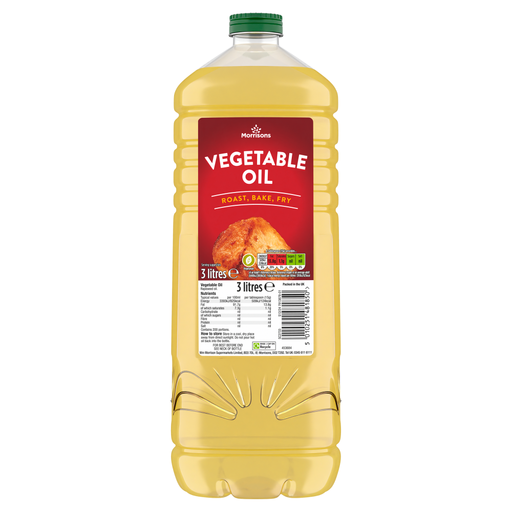
Why This Fits Their Persona: The larger format is suited to families, meal preppers and frequent frying or baking.
The size matches high usage, while the label specifies 100% rapeseed oil and warns not to pour hot oil back into the plastic bottle.
3-litre capacity; neutral flavour and stated suitability for frying, roasting, stir-frying and baking.
We have compiled a complete, real-time list of products that fully satisfy these strict selection criteria and UK safety regulations.
Choose an oil labelled for frying and check its heat-use instructions. Refined rapeseed, vegetable, corn and peanut oils are commonly sold for high-heat cooking, but the exact suitability depends on the product. Peanut oil must be avoided or clearly separated where peanut allergy is a concern.
Shelf life varies by oil type, packaging and storage. Keep the cap tightly closed, store the bottle in a cool, dark place and follow the best-before guidance. Strongly flavoured oils may lose aroma sooner after opening, so buying a smaller bottle can reduce waste.
No. Extra virgin olive oil can be used for dressings, dipping, marinades, gentle sautéing and drizzling over finished dishes. Its distinctive flavour may be less suitable where you want a completely neutral taste, while refined or mild olive oil is often chosen for frying and baking applications.