
24/7 Customer Support

Free returns

Same-day & Next-day Delivery

Quality Guaranteed

Unlock Your Welcome Offers: FREE Delivery | Up to 80% OFF | Free 30-day JoyPlus trial
Download the APP
Choosing a cooking oil can seem straightforward until you compare vegetable oil, rapeseed oil, extra virgin olive oil, coconut oil and speciality options. The wrong bottle may overpower delicate food, smoke during frying or sit unused in the cupboard until its flavour deteriorates.
For UK households, the practical choice depends on cooking temperature, flavour, storage, allergens and how quickly the oil will be used. This guide explains the important differences and highlights suitable options for frying, roasting, baking, stir-frying, dressings and finishing dishes.
“High smoke point” is frequently used in cooking oil marketing, but not every oil is suitable for the same pan temperature. Cold-pressed and unrefined oils often retain more pronounced flavours, while refined oils generally have a more neutral taste and may be selected for higher-temperature cooking.
For frying oil, check the product label and cooking guidance rather than relying only on a broad claim. Never leave oil unattended and avoid heating it until it visibly smokes.
Extra virgin olive oil, walnut oil and cold-pressed peanut oil can add distinctive aromas. That is useful for salad dressings, dipping and finishing dishes, but less practical if you mainly cook large family meals or deep-fry food.
A neutral vegetable oil or rapeseed oil can be more versatile for baking, roasting and everyday frying. A smaller bottle of flavoured oil may be more sensible when it is used as a finishing ingredient.
A bulk cooking oil may offer convenience for meal preparation, but a large container takes longer to finish and needs suitable storage. Keep oil in a cool, dry place away from direct sunlight and reseal it after use.
Always check the allergen statement. Peanut oil contains peanuts, mustard oil contains mustard, walnut oil contains tree nuts and some seasoned oils may include sesame or soya. Labels can change, so check the packaging before each purchase.
Extra virgin olive oil is obtained directly from olives by mechanical means and is commonly chosen for drizzling, dipping, marinades and dressings. Its fruity or peppery character can be an important part of the dish.
Rapeseed oil, often sold as vegetable oil in UK kitchens, is generally mild and versatile. The Crisp ‘N’ Dry product listed below contains rapeseed oil and provides nutrition information including 7.3g of saturates and 57.8g of monounsaturates per 100ml.
Cold-pressed oil is produced without the same refining process used for many neutral oils, so flavour and colour can be more pronounced. This is a preference and usage consideration, not a guarantee that the oil is suitable for every cooking temperature.
Most cooking oils provide around 800–900 kcal per 100ml because they are almost entirely fat. Compare the saturates, mono-unsaturates and polyunsaturates shown on the nutrition panel, while remembering that portion size matters.
Also check:
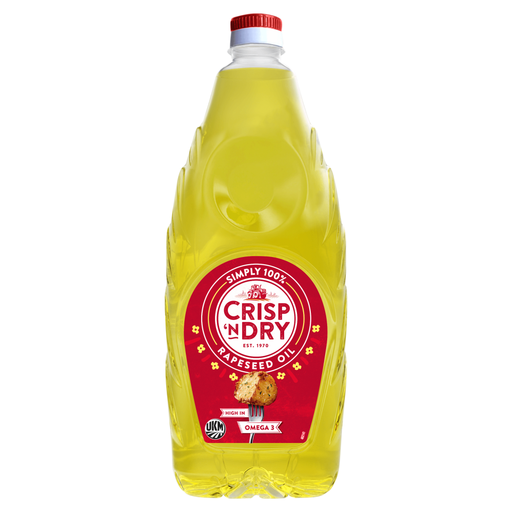
Why This Fits Their Persona: A 2L bottle provides a practical everyday supply for frying, roasting and baking without adding a strong flavour to food.
The rapeseed-oil base has a subtle flavour, making it less likely to clash with different recipes.
2L capacity; 100% rapeseed oil listed in the product description; no declarable allergens stated.
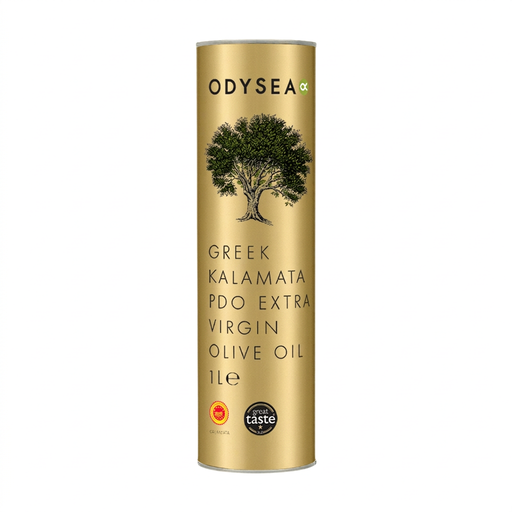
Why This Fits Their Persona: Suitable for shoppers who value a defined olive flavour for salads, dipping, grilled food and finishing dishes.
Its listed use focuses on drizzling, dipping and gentle applications rather than promising one oil for every cooking method.
1L bottle; Kalamata PDO designation stated; 100% extra virgin olive oil listed.
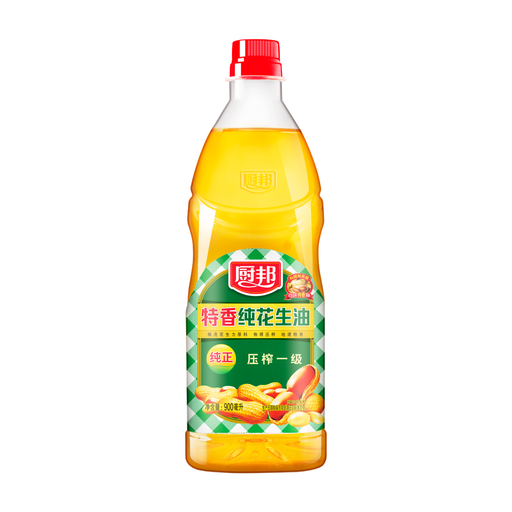
Why This Fits Their Persona: A useful option for stir-frying, frying and recipes where a noticeable peanut aroma is welcome.
The product clearly identifies peanuts as an allergen, helping households check suitability before purchase.
900ml capacity; 100% peanut oil listed; product information specifies frying and stir-frying.
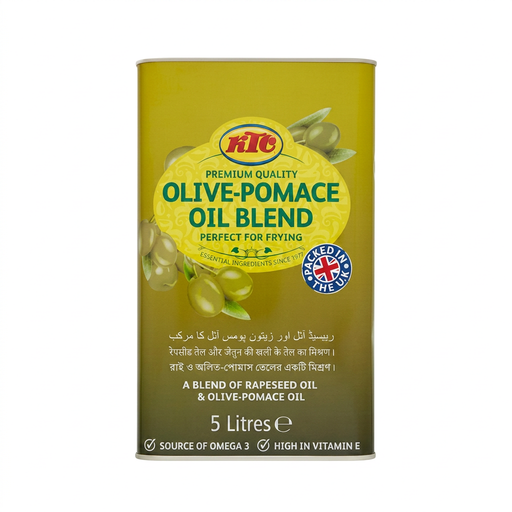
Why This Fits Their Persona: The 5L format suits frequent frying, baking and large-batch cooking where a smaller bottle would need regular replacement.
The ingredients specify a 52% olive pomace oil and 48% rapeseed oil blend, so buyers can assess it as a blend rather than assuming it is extra virgin olive oil.
5L capacity; suitable for frying and baking; listed as suitable for vegan and vegetarian diets.
We have compiled a complete, real-time list of products that fully satisfy these strict selection criteria and UK safety regulations.
A neutral rapeseed-based vegetable oil is a practical everyday option because it has a mild flavour and can be used across frying, roasting and baking when the product label supports those applications. Peanut oil may also suit frying and stir-frying, but it contains peanuts and should be avoided where that allergen is unsuitable.
Store unopened and opened oil in a cool, dry place away from direct sunlight and heat. Reseal the bottle after use. Extra virgin olive oil is particularly sensitive to light and heat from a flavour perspective, while coconut oil may become solid below approximately 24°C. Follow the storage instructions printed on the packaging.
There is no single replacement schedule because it depends on the oil, food, temperature and filtration. Discard oil if it develops a persistent burnt smell, unusual darkening, excessive foaming or a thick, sticky texture. Allow used oil to cool fully before disposal and do not pour it down the sink, where it can contribute to blockages.