
24/7 Customer Support

Free returns

Same-day & Next-day Delivery

Quality Guaranteed

Unlock Your Welcome Offers: FREE Delivery | Up to 80% OFF | Free 30-day JoyPlus trial
Download the APP
From the sizzle of a weekend fry-up to the subtle dressing on a summer salad, the right cooking oil is a cornerstone of any UK kitchen. Yet, the supermarket aisle presents a bewildering array of choices. It's easy to grab a bottle based on price or a familiar label, only to find it smokes too quickly, ruins the flavour of your dish, or simply isn't suited for the task at hand. As your Joybuy Product Recommendation Officer, my role is to help you navigate these choices with practical advice, ensuring you get the right oil for your cooking needs without the guesswork.
Many of us fall into common traps when buying cooking oil. Let's look at two frequent missteps:
Understanding a few core parameters can transform how you shop for and use cooking oil, saving you money and elevating your dishes.
Before you add a bottle to your basket, focusing on two key factors will ensure you make a practical choice that matches your cooking style.
The smoke point is the temperature at which an oil begins to smoke and break down. This is arguably the most important factor to consider for your intended use.
The second consideration is flavour. Do you want the oil to be a silent partner or a star player in your dish?
To help you find the right match, here are some recommendations tailored to different cooking needs and preferences.
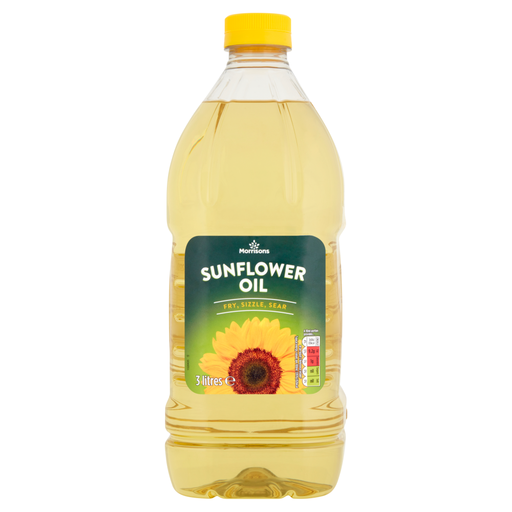
Why This Fits Their Persona: For a busy household that gets through a lot of cooking oil, this bulk 3-litre bottle offers great value. Its versatility makes it a reliable choice for daily meals, from frying sausages to roasting potatoes and general baking.
This is a high-smoke-point sunflower oil, making it ideal for the high-heat cooking common in family kitchens. Its neutral flavour avoids the pitfall of overpowering simple dishes.
Excellent value with its bulk cooking oil size. It's a versatile, all-purpose oil suitable for frying, searing and baking.
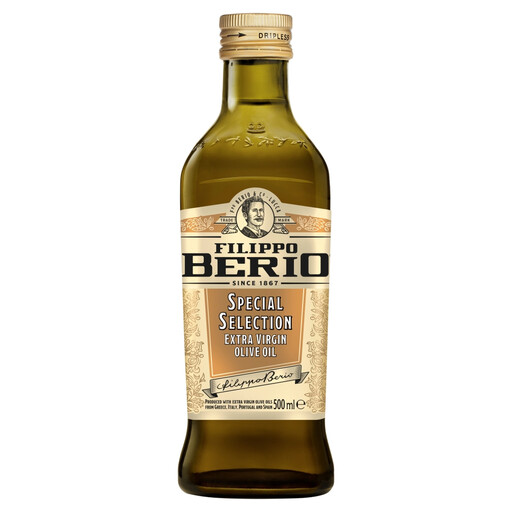
Why This Fits Their Persona: Someone who enjoys fresh salads, dipping crusty bread or drizzling a finishing touch over pasta needs an oil with character. This extra virgin olive oil is crafted for exactly that purpose, delivering a distinct flavour.
This is a superior category extra virgin olive oil with a low smoke point, intended for finishing. This prevents the user from mistakenly using it for high-heat frying, which would destroy its delicate, fruity notes.
Specifically blended for a smooth, fruity flavour. Ideal as a salad dressing oil, for dipping, or drizzling over finished dishes.

Why This Fits Their Persona: For anyone aiming to replicate the authentic taste of Asian dishes, toasted sesame oil is non-negotiable. A few drops can transform a simple noodle soup or stir-fry oil blend, adding a rich, nutty aroma that is impossible to substitute.
This is a finishing oil, not a cooking fat. Its description guides the user to add it at the end of cooking, preventing them from burning off its delicate, essential aroma by using it for high-heat frying.
Made from 100% roasted sesame seeds for an intense, authentic flavour. A fundamental ingredient in the pantry for Asian cooking oils.
We have compiled a complete, real-time list of products that fully satisfy these strict selection criteria and UK safety regulations.
1. What is the difference between olive oil and extra virgin olive oil? The main difference lies in the processing and acidity. Extra virgin olive oil is the least processed form, extracted using only mechanical methods (no chemicals or high heat), which preserves its flavour, aroma and natural compounds. It has a very low acidity. Regular olive oil is typically a blend of virgin olive oil and refined olive oil. It has a milder flavour and a higher smoke point, making it more suitable for general, everyday cooking than its extra virgin counterpart.
2. Can I use the same oil for frying and for salad dressing? It depends on the oil. A neutral, high-smoke-point oil like rapeseed oil or sunflower oil can technically be used for both, but it won't add any desirable flavour to a salad. Conversely, a flavourful, low-smoke-point oil like extra virgin olive oil is perfect for dressings but will burn and taste unpleasant if used for high-heat frying. It's often more practical to have at least two types of oil: one for high-heat cooking and one for flavour and finishing.
3. How should I store cooking oil to keep it fresh? Heat, light and air are the enemies of fresh oil. To prolong its life, store your cooking oil in a cool, dark place like a cupboard, away from the oven or direct sunlight. Always ensure the cap is screwed on tightly after use to minimise exposure to air, which can cause the oil to go rancid over time.