
24/7 Customer Support

Free returns

Same-day & Next-day Delivery

Quality Guaranteed

Unlock Your Welcome Offers: FREE Delivery | Up to 80% OFF | Free 30-day JoyPlus trial
Download the APP
From the sizzle of a stir-fry to the final drizzle on a salad, the right cooking oil is a cornerstone of any kitchen. Yet, walk down the supermarket aisle and the choice can be overwhelming. With so many types, claims and price points, it's easy to make a costly mistake. As a Joybuy Product Recommendation Officer, my role is to help you navigate this landscape and find the right oil for your pan, your palate and your purse.
Before you add another bottle to your basket, let's look at a few common pitfalls that UK home cooks encounter. Understanding these can save you both money and culinary disappointment.
To avoid these traps, focus on a few key parameters. These will tell you everything you need to know about how an oil will perform in your kitchen.
The single most important factor for cooking is the oil's smoke point. This determines what cooking method it's suited for.
Next, consider the oil's taste. Do you want it to be a neutral background player or a star of the show?
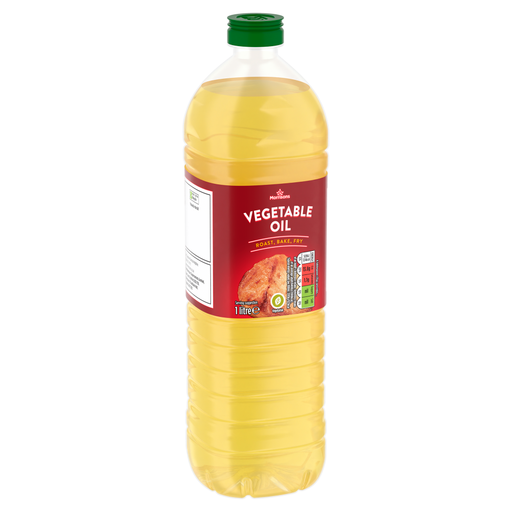
Why This Fits Their Persona: This is the reliable workhorse for a busy family kitchen. Its neutral flavour and high smoke point make it suitable for everything from frying chips and roasting Sunday vegetables to baking a quick batch of scones. It's an economical and versatile choice for daily cooking.
This oil is made from 100% rapeseed oil, which has a naturally high smoke point. You avoid the pitfall of burning a delicate, expensive oil on high-heat tasks, ensuring consistent results without waste.
Highly versatile for frying, roasting and baking. Its neutral flavour profile lets the taste of your ingredients shine through.

Why This Fits Their Persona: For anyone carefully managing their fat and calorie intake, this low calorie cooking spray is a game-changer. It allows for a very fine, even coating on pans or food, providing lubrication for cooking with minimal oil usage.
This product directly addresses the desire for a lower-calorie option without relying on the misleading "light" oil myth. Its purpose is clear: to deliver flavour and function with precise portion control, at only 1 calorie per spray.
Enables precise portion control for low-fat cooking. According to the brand, it uses up to 95% less fat than traditional oil or butter.
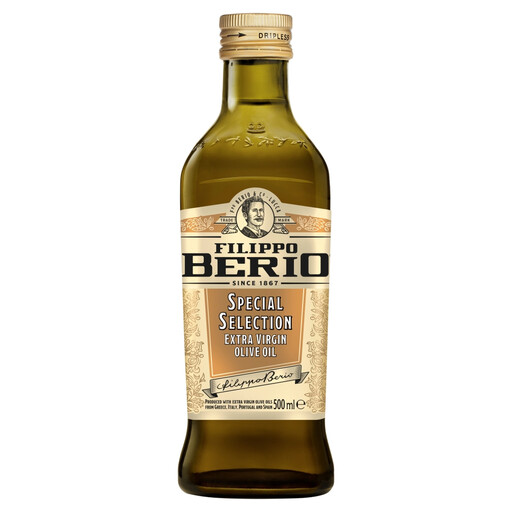
Why This Fits Their Persona: For those who appreciate the finer details, this extra virgin olive oil is a finishing touch, not a cooking workhorse. It's perfect for drizzling over a finished pasta dish, making a vibrant vinaigrette, or simply for dipping with fresh, crusty bread.
By understanding this is a low-smoke-point finishing oil, you avoid the trap of using it for high-heat frying. This preserves its delicate, fruity flavour and ensures you get the full value from a premium product.
This is a superior category olive oil, obtained directly from olives by mechanical means. It delivers a smooth flavour with a distinct fruity note, ideal for uncooked applications.
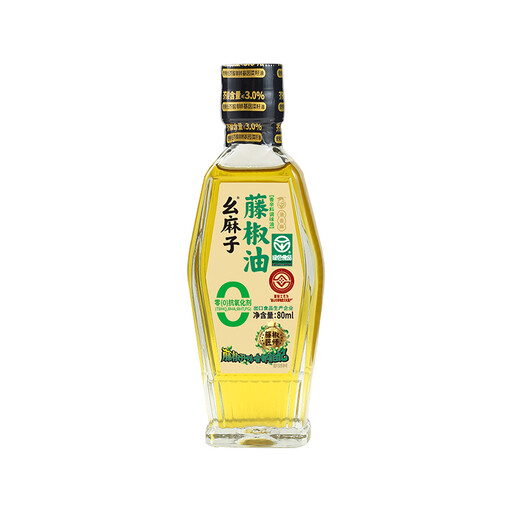
Why This Fits Their Persona: For anyone exploring authentic Sichuan cuisine, Sichuan pepper oil is an indispensable ingredient. This oil provides the unique, tingling, numbing sensation known as 'málà'. It's used as a finishing drizzle on noodles, salads and stir-fries to add that characteristic fragrance and mouthfeel.
This oil comes in a small 80ml bottle, perfectly countering the "bulk-buy regret." For a potent, speciality ingredient that is used sparingly, this size ensures you use it while it's fresh and aromatic, preventing waste.
Features a clean ingredient list of only rapeseed oil and fresh rattan pepper. The traditional craft process delivers an authentic, fresh and aromatic numbing taste.
We have compiled a complete, real-time list of products that fully satisfy these strict selection criteria and UK safety regulations.
To maximise freshness and prevent your oil from going rancid, store it in a cool, dark place like a cupboard, away from the heat of the oven or direct sunlight. Always ensure the cap is tightly sealed after use to limit exposure to oxygen.
The main difference lies in the processing. Extra virgin olive oil is unrefined and made from the first cold pressing of olives, which preserves its full, fruity flavour and lower smoke point. It's best for dressings and finishing. Standard olive oil is typically a blend of refined olive oil and some virgin olive oil. This process gives it a more neutral flavour, a lighter colour and a higher smoke point, making it a better all-rounder for general cooking and sautéing.
You can reuse frying oil a few times, provided you do it correctly. Once the oil has cooled completely, strain it through a fine-mesh sieve or a few layers of cheesecloth to remove any food particles. Store it in a sealed, light-proof container. You should discard the oil if it becomes dark, starts to foam on the surface when heated or has a rancid or "off" smell. It's also advisable not to mix different types of oil.