
24/7 Customer Support

Free returns

Same-day & Next-day Delivery

Quality Guaranteed

Unlock Your Welcome Offers: FREE Delivery | Up to 80% OFF | Free 30-day JoyPlus trial
Download the APP
Walking down the cooking oil aisle can feel overwhelming. With shelves lined with everything from golden rapeseed oil to deep green olive oils and speciality tins, it’s easy to grab the wrong bottle for the job. As the Joybuy Product Recommendation Officer, my role is to help you navigate these choices, ensuring you get the right oil for your cooking needs without wasting money.
Many of us fall into common traps. We might use a delicate, expensive finishing oil for high-heat frying, only to fill the kitchen with smoke and ruin its flavour. Or perhaps we buy a "light" olive oil, thinking it's lower in calories, when the term only refers to its milder taste. These small misunderstandings can lead to disappointing meals and unnecessary expense. This guide will break down the essential factors to consider, helping you stock your pantry with confidence.
Before you buy, understanding a few key terms can make all the difference. Focusing on these non-negotiable parameters will ensure your oil works for you, not against you.
The smoke point is the temperature at which an oil stops shimmering and starts to smoke, breaking down and releasing a burnt, acrid flavour. Using an oil beyond its smoke point not only ruins your food but can also release undesirable compounds.
Cooking oils can be broadly split into two flavour categories, which usually corresponds to how they are processed.
The level of processing an oil undergoes affects its flavour, nutritional content and smoke point.
To make things simpler, we've matched some reliable options to different UK household needs.
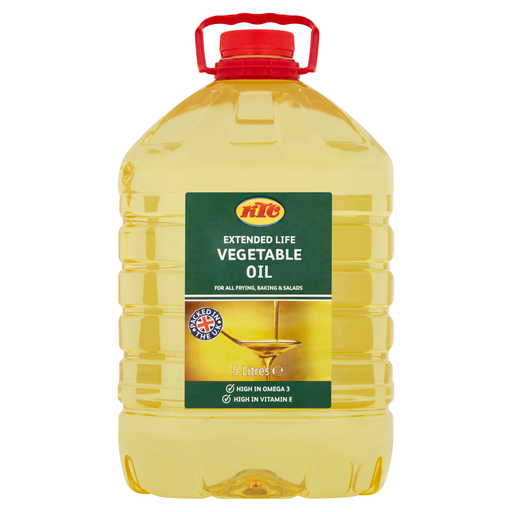
Why This Fits Their Persona: For families and heavy users, this bulk cooking oil is an economical workhorse. Its neutral flavour and high smoke point make it suitable for everything from frying chips and roasting Sunday lunch vegetables to baking cakes.
This is a cost-effective, high-smoke-point oil designed for high-heat cooking. You avoid the common mistake of wasting expensive, low-smoke-point oils on everyday frying tasks.
Excellent value in a 5-litre container. A versatile, all-purpose oil for frying, roasting and baking.
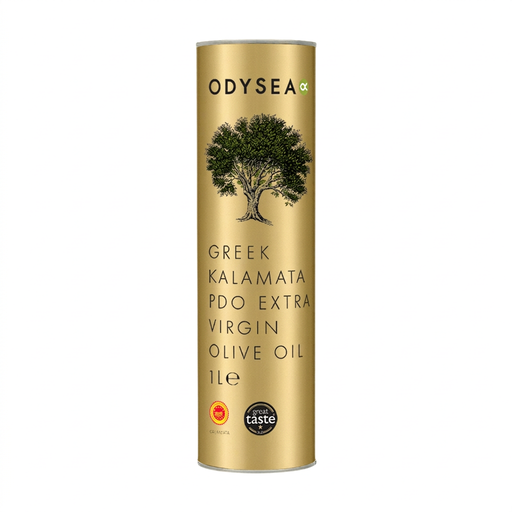
Why This Fits Their Persona: For those who appreciate authentic flavour, this PDO-status extra virgin olive oil is ideal. It's made for drizzling over salads, dipping with bread, or finishing grilled fish, where its robust, herbaceous character can be fully appreciated.
This oil is used correctly as a finishing touch, not for high-heat cooking. This preserves its delicate flavour and avoids the wastefulness of burning a premium, cold-pressed oil.
Protected Designation of Origin (PDO) status ensures authenticity. A full-bodied, peppery flavour from Koroneiki olives, extracted solely by mechanical means.
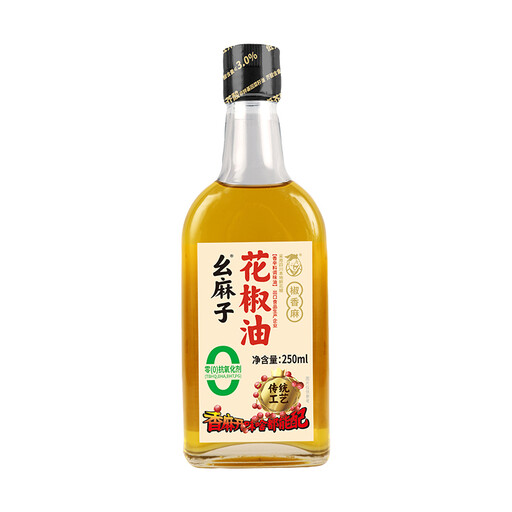
Why This Fits Their Persona: For the home cook aiming to replicate the authentic 'málà' (numbing) flavour of Sichuan food, this Sichuan pepper oil is indispensable. It's a finishing oil, added at the end of cooking to dishes like mapo tofu or dan dan noodles.
This purpose-made Chinese cooking oil provides a flavour that is difficult to achieve by infusing regular oil at home. It prevents the disappointment of a dish that lacks that signature numbing kick.
Made with 40% Sichuan pepper for a rich, authentic numbing aroma. Designed to be added at the end of cooking to preserve its unique flavour profile.
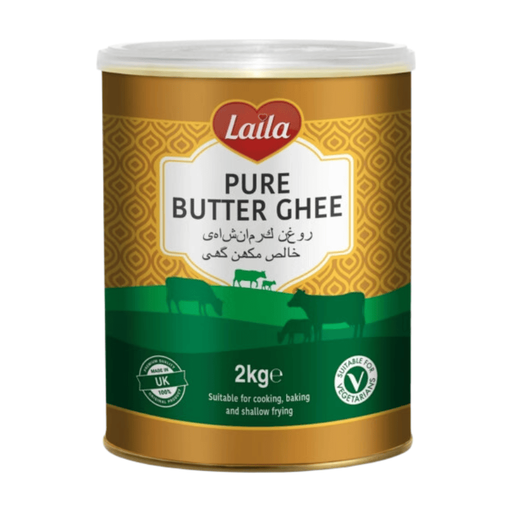
Why This Fits Their Persona:Ghee is clarified butter, and its high smoke point makes it an exceptional fat for searing, frying and making authentic curries. Its rich, nutty flavour adds depth to South Asian dishes, flatbreads and roasted vegetables.
It provides the rich flavour of butter without the low smoke point. The milk solids that cause regular butter to burn at high temperatures have been removed, making it a stable and reliable oil for frying.
Very high smoke point suitable for all high-heat cooking. Adds a distinctive, rich and nutty flavour that is essential for many traditional recipes.
We have compiled a complete, real-time list of products that fully satisfy these strict selection criteria and UK safety regulations.
Most cooking oils are sensitive to heat, light and air. To prolong their life and prevent them from going rancid, store them in a cool, dark place like a pantry or cupboard, away from the oven. Always ensure the cap is screwed on tightly after use. Speciality oils like extra virgin olive oil are best used within a few months of opening for optimal flavour.
You can reuse oil after frying, but it's important to do so safely. Allow the oil to cool completely, then strain it through a fine-mesh sieve or cheesecloth to remove any food particles. Store it in a sealed, light-proof container in a cool place. It's generally advisable to reuse oil only once or twice. If it looks dark, smells off or smokes at a lower temperature than usual, it's time to dispose of it.
The terms are often used interchangeably, especially in the UK. Both come from the rapeseed plant. "Canola" is a term originating in Canada for a specific cultivar of rapeseed bred to have low levels of erucic acid. In the UK, most oil sold as rapeseed oil for culinary use is also of the low-erucic acid variety, making it functionally the same as canola oil. It's a versatile, locally grown oil with a good balance of fats and a relatively high smoke point.