
24/7 Customer Support

Free returns

Same-day & Next-day Delivery

Quality Guaranteed

Unlock Your Welcome Offers: FREE Delivery | Up to 80% OFF | Free 30-day JoyPlus trial
Download the APP
Navigating the cooking oil aisle can feel overwhelming. With shelves lined with everything from golden rapeseed oil to deep green olive oil and fragrant Asian cooking oils, it is easy to grab the wrong bottle for the job. As your Joybuy Product Recommendation Officer, my role is to help you understand the practical differences so you can stock your pantry with confidence, ensuring every meal is a success.
Many home cooks fall into a few common traps that lead to disappointing meals and wasted money. Let's look at how to sidestep them.
To make an informed choice, focus on a few key parameters. This will ensure the cooking oil you select is fit for purpose, from everyday frying to finishing a gourmet dish.
The smoke point is the temperature at which an oil stops shimmering and starts smoking. This is your signal that the oil is breaking down. Matching the smoke point to your cooking method is essential.
The production process directly impacts an oil's flavour, colour and smoke point.
To help you choose, we have matched some practical options to different UK household needs.
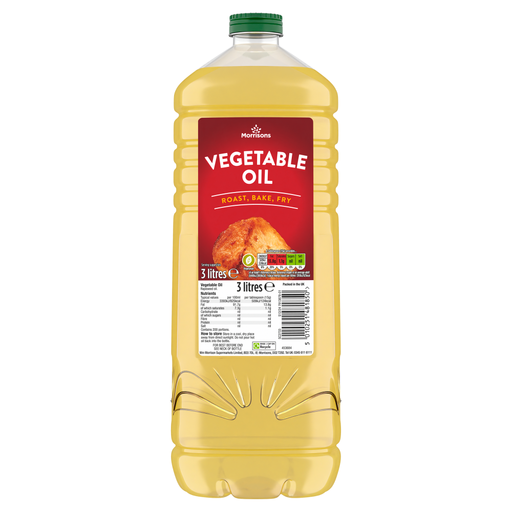
Why This Fits Their Persona: For busy households that get through a lot of cooking oil, this bulk 3-litre bottle of rapeseed oil offers great value. It is a reliable staple for everything from frying chips and searing meat to making Yorkshire puddings.
It sidesteps the "one-size-fits-all" myth by being an honest, straightforward high smoke point oil. Its neutral flavour profile makes it genuinely versatile for high-heat cooking without overpowering your food.
Excellent value for money with its bulk cooking oil size. The neutral taste and high heat tolerance make it a dependable choice for a wide range of daily cooking tasks.
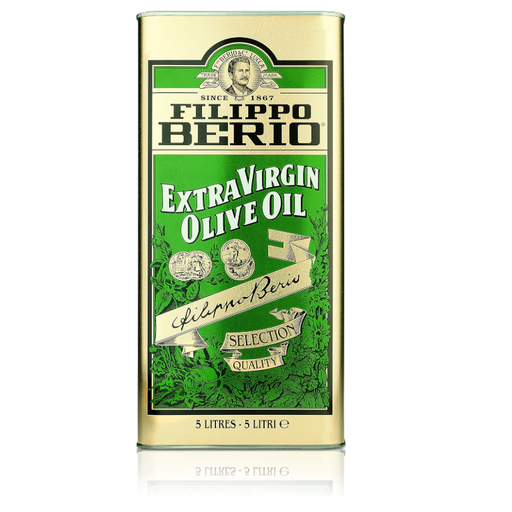
Why This Fits Their Persona: This user appreciates the authentic, fruity and peppery notes of a quality extra virgin olive oil. This large 5L tin is perfect for those who use it generously for dipping bread, dressing salads and finishing pasta or stews.
By selecting an extra virgin olive oil, the user correctly avoids the flavour pitfall, getting the robust taste they need for Mediterranean dishes. They understand its role as a finishing and salad dressing oil, not for high-heat frying.
This is a superior category oil, cold-extracted to preserve its rich, fruity flavour. The bulk tin offers convenience and value for enthusiasts who use it daily.
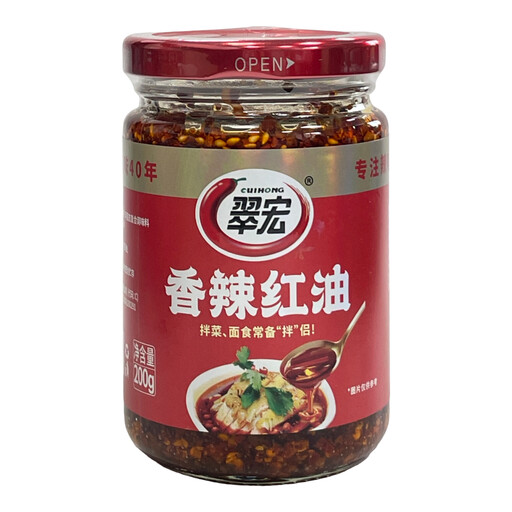
Why This Fits Their Persona: This cook is exploring authentic Asian cooking oil and flavours. This chilli oil is not a cooking medium but a complex, aromatic condiment used to finish dishes, make dipping sauces, or add a spicy kick to noodles and dumplings.
This is a speciality product that completely avoids the "one-size-fits-all" trap. It is purchased for a specific purpose: to add authentic Sichuan flavour and heat, a job no neutral oil could ever do.
Provides a rich, complex, and aromatic heat that instantly elevates simple dishes. It is ready to use straight from the bottle, making it a convenient way to add authentic flavour.
We have compiled a complete, real-time list of products that fully satisfy these strict selection criteria and UK safety regulations.
This is a common question, and the answer depends on the type of olive oil. Extra virgin olive oil has a relatively low smoke point and a strong flavour, making it unsuitable for deep-frying or high-heat searing. However, standard olive oil (often labelled as 'pure' or 'light') is a blend of virgin and refined olive oils. This process gives it a higher smoke point, making it a suitable olive oil for frying at moderate temperatures, as well as for roasting and baking.
In the UK, the term vegetable oil most commonly refers to 100% rapeseed oil. However, it can sometimes be a blend of different plant-based oils. Sunflower oil is made exclusively from sunflower seeds. Both are refined, have high smoke points and possess a neutral flavour. For most high-temperature cooking applications like frying and roasting, they are functionally interchangeable.