
24/7 Customer Support

Free returns

Same-day & Next-day Delivery

Quality Guaranteed

Unlock Your Welcome Offers: FREE Delivery | Up to 80% OFF | Free 30-day JoyPlus trial
Download the APP
Choosing cooking oil is not simply a matter of picking the largest bottle or the label with the most impressive claims. UK shoppers may need one oil for chips and roasting, another for stir-fries and a small bottle for dressings or finishing noodles. The right choice depends on cooking temperature, flavour, allergens, storage and pack size.
This guide explains the common buying traps and highlights practical options for home cooks, families, Asian food enthusiasts and catering kitchens.
A fragrant sesame oil or extra virgin olive oil can be excellent for dressing and finishing, but that does not automatically make it the most suitable choice for prolonged deep-frying. Likewise, a neutral vegetable oil may work well at higher cooking temperatures but add little flavour to cold dishes.
Check whether the product is described for frying, stir-frying, gentle sautéing, dressing or finishing. These instructions are more useful than broad phrases such as “all-purpose”.
A high-smoke-point oil can be useful for frying, but safe cooking still depends on not overheating the pan or leaving oil unattended. Smoke, unusual odour or a darkened appearance are signs to reduce the heat and assess whether the oil should be discarded.
Smoke point information can also vary according to the oil type, refinement and source. Use the product label as the primary reference rather than relying on a generic internet temperature chart.
Some flavoured oils contain sesame, soya, wheat, peanuts or other ingredients. This is particularly important with chilli oils, Japanese seasoning oils and blended Chinese cooking oils. Always read the ingredients and allergen statement, especially when cooking for children, guests or customers.
A 5-litre container may offer practical value for a busy kitchen, but a 150ml bottle can be more sensible for a finishing oil used occasionally. Once opened, follow the storage instructions and close the cap securely.
For everyday frying, roasting and stir-frying, look for a neutral vegetable oil, corn oil, canola oil or peanut oil labelled for these applications. Corn oil can offer a mild flavour, while peanut oil brings a noticeable nutty aroma that works well with many Chinese cooking methods.
For Mediterranean-style dishes, extra virgin olive oil is generally selected for its fruity or herbaceous character in dressings, dipping and drizzling. It can also be used for gentle heating where the label indicates suitability.
For finishing, small bottles of sesame oil, chilli oil or pepper oil can add aroma and heat without replacing the main frying oil. These products are usually used in small quantities over noodles, tofu, soups, salads or cooked vegetables.
A single-ingredient oil makes it easier to understand what you are buying. Examples include 100% corn oil, peanut oil, sesame oil or extra virgin olive oil. Blended oils can be useful, but check the full recipe: some contain soybean oil, peanut oil, sesame oil or sunflower oil together.
Under UK food labelling requirements, allergens should be emphasised in the ingredients list. Look for clearly marked terms such as PEANUTS, SESAME, SOYA and WHEAT. “No added preservatives” does not mean a product is allergen-free.
Large bottles are convenient for families, meal preparation and catering, while smaller bottles help preserve strongly flavoured oils by limiting the time they remain open.
Store most cooking oil in a cool, dry place away from direct sunlight and heat. Some seasoning oils, particularly those containing fried onions, garlic or other ingredients, may need refrigeration after opening. Follow the packaging instructions rather than transferring oil to an unlabelled container.
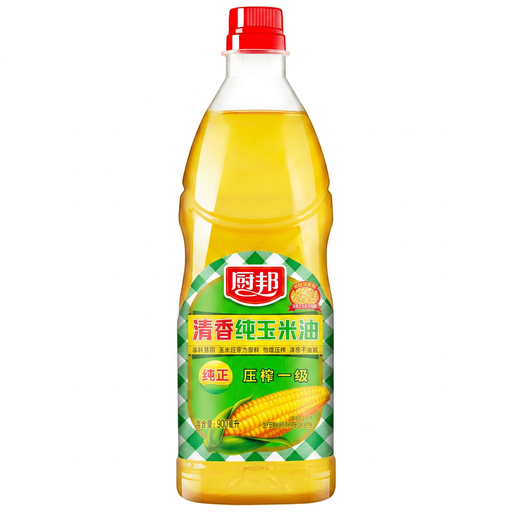
Why This Fits Their Persona: A practical 900ml bottle for everyday frying, stir-frying, boiling and deep-frying, making it suitable for students, couples and smaller households.
The single-ingredient formula makes the oil straightforward to identify, while the moderate bottle size avoids committing to a large catering pack.
100% corn oil; 900ml capacity; listed for frying, stir-frying and deep-frying.
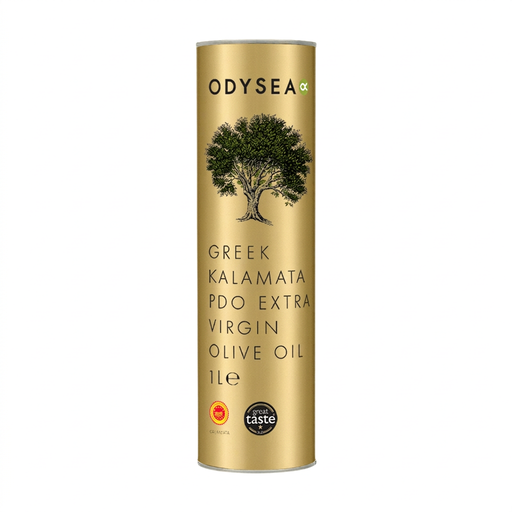
Why This Fits Their Persona: Designed for shoppers who prioritise provenance and distinctive flavour in salads, bread dipping, pasta, vegetables and gentle finishing.
Its PDO designation and stated Kalamata origin provide clearer provenance than a vague regional description. The product is positioned for drizzling rather than heavy frying.
100% extra virgin olive oil; PDO Kalamata designation; suitable for dressings and dipping.
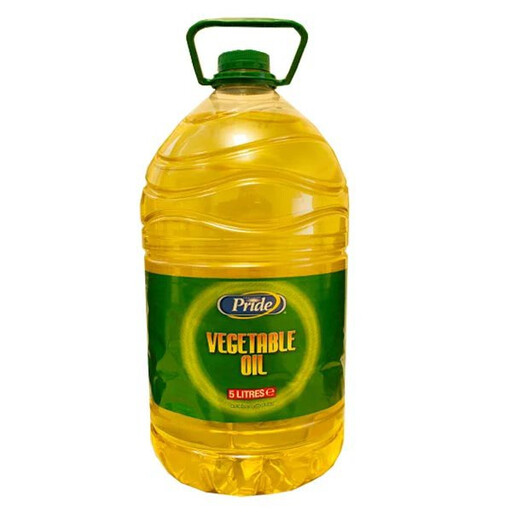
Why This Fits Their Persona: A large-format option for families, meal-prep households, food stalls and professional kitchens that regularly fry, roast, bake or stir-fry.
The 5-litre format suits frequent users rather than occasional cooks. Its neutral vegetable oil blend is clearly stated, allowing buyers to check the ingredients before purchase.
5-litre capacity; neutral flavour; listed for frying, stir-frying, roasting and baking.
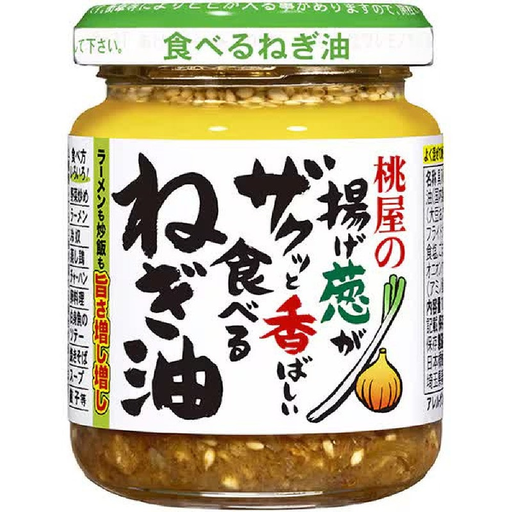
Why This Fits Their Persona: A ready-to-use Japanese seasoning oil for ramen, rice, noodles, tofu, soups and cooked vegetables when aroma and texture matter more than volume.
It is clearly a finishing and seasoning oil rather than a replacement for everyday frying oil. The allergen list identifies soya and sesame, with possible additional traces.
Ready to use; includes roasted green onion, fried garlic and sesame; refrigerate after opening.
We have compiled a complete, real-time list of products that fully satisfy these strict selection criteria and UK safety regulations.
Choose an oil labelled for stir-frying and suitable for the required heat. Corn oil, canola oil, peanut oil and blended vegetable oil are commonly selected for this purpose. Peanut oil adds a nutty aroma, while canola and corn oil tend to be milder. Check the allergen information before using peanut oil.
Shelf life depends on the product, packaging and storage conditions. Keep the cap tightly closed and store the bottle away from heat and sunlight. Flavoured oils containing onion, garlic or other food pieces may require refrigeration and faster use after opening. Always follow the date and instructions printed on the packaging.
It can offer a lower cost per millilitre, but only if the oil will be used before its quality declines. A 5-litre vegetable oil may suit a busy family or catering kitchen, whereas a 150ml sesame oil or seasoning oil is more practical when used only occasionally. Compare price per 100ml, intended usage and storage space before buying.