
24/7 Customer Support

Free returns

Same-day & Next-day Delivery

Quality Guaranteed

Unlock Your Welcome Offers: FREE Delivery | Up to 80% OFF | Free 30-day JoyPlus trial
Download the APP
Navigating the cooking oil aisle can feel unnecessarily complicated. With labels shouting about smoke points, cold-pressing and heart health, it’s easy to grab a bottle that’s either wrong for your cooking style or simply not good value. As the Joybuy Product Recommendation Officer, my role is to help you see past the marketing jargon and choose the right pantry staples for your kitchen. Let's look at the common pitfalls that lead to wasted money and disappointing meals.
The 3 Common Cooking Oil Buying Traps to Avoid
low calorie cooking spray, for instance, achieves its benefit through portion control, not by being an inherently different type of oil.Before you add a bottle to your basket, focusing on two key parameters will ensure you get the right product for your needs.
The smoke point is the temperature at which an oil stops shimmering and starts to smoke, indicating it's breaking down. Using an oil below its smoke point is crucial for both flavour and safety.
The production process directly impacts an oil's taste and best use.
vegetable oil, rapeseed oil, sunflower oil) are processed to create a neutral flavour, a higher smoke point and a longer shelf life. Their lack of a distinct taste makes them a versatile workhorse in the kitchen, allowing the flavours of your ingredients to be the focus.Extra virgin olive oil is the most common example, known for its peppery, fruity or grassy notes. This makes it a finishing oil or a flavour component in its own right, rather than just a cooking medium.Instead of a one-size-fits-all approach, we've matched some reliable options to different household needs.
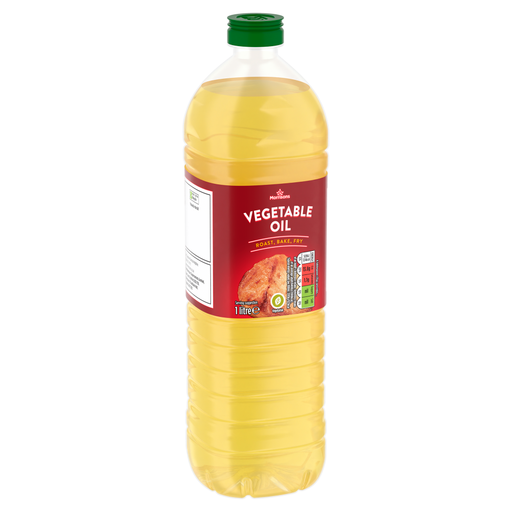
Why This Fits Their Persona: This is a reliable and economical choice for daily cooking tasks. Made from 100% rapeseed oil, it's a true kitchen workhorse for a household that does everything from frying eggs to baking cakes and roasting Sunday lunch vegetables.
It avoids the trap of using an expensive, low-smoke point oil for high-heat cooking. This oil is specifically designed for it, ensuring you don't waste money or burn your food.
High smoke point suitable for all forms of hot cooking. Its neutral flavour won't interfere with the taste of your ingredients.

Why This Fits Their Persona: For those who appreciate nuanced flavour and use oil as a finishing touch. This Filippo Berio olive oil is perfect for making a vinaigrette, drizzling over pasta or serving with bread for dipping. Its purpose is to add flavour, not just to cook.
This choice embraces the "premium" nature of extra virgin oil but applies it correctly. It avoids the pitfall of paying more for an oil only to destroy its delicate flavours with high heat.
A well-balanced, rich and fruity flavour profile. As an unrefined oil, it is obtained directly from olives through mechanical means, preserving its character.
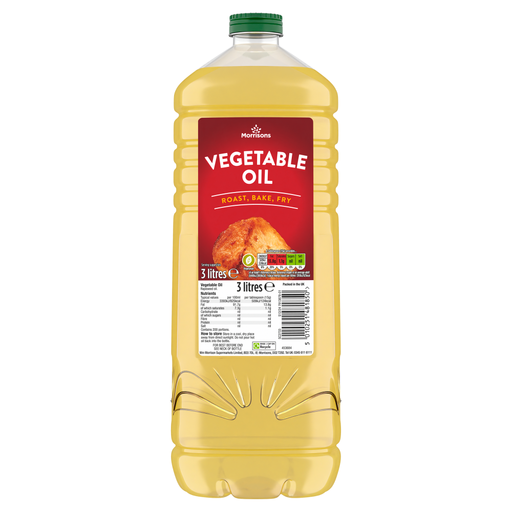
Why This Fits Their Persona: For busy households that get through a lot of oil, buying in bulk is the most economical choice. This large 3-litre container is perfect for families who frequently roast, fry or do a lot of home baking, ensuring the pantry is always stocked with this essential.
This option avoids the poor economy of buying small, frequent bottles for high-volume use. It provides a significant cost saving per litre, making it a smart choice for budget-conscious, heavy users.
Excellent value for money. As a bulk cooking oil option, it reduces packaging waste and the frequency of shopping trips for essential pantry staples.
Many everyday cooking oils are naturally plant-based. If you're searching for a curated selection that meets specific dietary needs, we have compiled a complete list of products that satisfy our selection criteria.
It is generally not recommended. Extra virgin olive oil has a low smoke point, meaning it will start to burn at temperatures typically used for frying. This not only creates a bitter taste but also degrades the oil's quality. It is much better suited for dressings, dips and drizzling over food after it has been cooked.
This is a common point of confusion. In the UK, most products labelled as "vegetable oil" are actually made from 100% rapeseed oil. Rapeseed is favoured for its high smoke point, neutral flavour and balanced fat profile, making it an excellent all-purpose cooking oil. Always check the ingredients list on the bottle to be certain.
To prolong the life of your cooking oil and prevent it from going rancid, store it in a cool, dark place away from direct sunlight and heat, such as a pantry or cupboard. Heat, light and air are the main factors that cause oil to degrade. Ensure the cap is tightly sealed after each use. There is no need to refrigerate most cooking oils; in fact, it can cause some, like olive oil, to become cloudy and solidify (though this is harmless and reversible at room temperature).