
24/7 Customer Support

Free returns

Same-day & Next-day Delivery

Quality Guaranteed

Unlock Your Welcome Offers: FREE Delivery | Up to 80% OFF | Free 30-day JoyPlus trial
Download the APP
Walking down the cooking oil aisle can feel overwhelming. With labels shouting about smoke points, extraction methods and health benefits, it's easy to grab the wrong bottle. As the Joybuy Product Recommendation Officer, my role is to help you navigate the options and find the right cooking oil for your kitchen, without falling for common marketing traps that can waste your money and compromise your cooking.
Before you add another bottle to your basket, let's look at the most frequent pitfalls UK shoppers encounter.
To make a confident choice, focus on these three core parameters. Understanding them will ensure you get the performance and flavour you expect from your cooking oil.
The smoke point is the single most important factor for any cooking that involves high heat. When an oil is heated past its smoke point, it not only imparts a burnt flavour but also releases undesirable compounds.
The production method directly impacts an oil's taste, colour and ideal use.
Before buying, consider what you cook most often. A well-stocked pantry typically benefits from having at least two types of oil: a neutral, high-heat oil for general cooking and a flavourful, unrefined oil for dressings and finishing. If you frequently bake or enjoy Asian cuisine, you might add a third, such as a solid-at-room-temperature coconut oil or a fragrant sesame oil.
To simplify your choice, we've matched some reliable options to common kitchen needs.
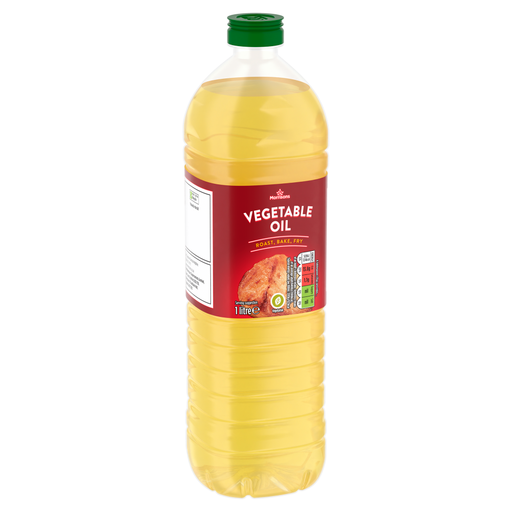
Why This Fits Their Persona: This is a dependable kitchen workhorse for UK families. Its versatility and value-for-money in a 1 litre cooking oil format make it ideal for daily meals, from frying the morning eggs to roasting Sunday vegetables.
It directly counters the "One-Size-Fits-All Myth" by being an excellent, purpose-built choice for high-heat cooking. This prevents you from wasting expensive, delicate oils on tasks they aren't suited for.
Made from 100% refined rapeseed oil, it has a high smoke point and a completely neutral flavour, ensuring it won't alter the taste of your food. It's a reliable choice for the best oil for frying and baking.
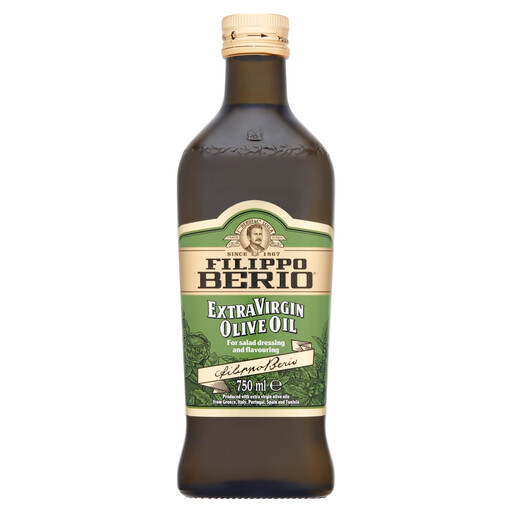
Why This Fits Their Persona: For those who see oil as an ingredient, not just a medium. This extra virgin olive oil is perfect for creating flavourful salad dressings, drizzling over pasta or finishing roasted vegetables to add a classic, peppery Mediterranean character.
This choice helps you avoid the "Healthy Halo" trap by using the oil correctly. Its value lies in its robust flavour and unrefined quality, which are best preserved in low-heat or no-heat applications like a good salad oil.
This is a superior quality olive oil obtained directly from olives using mechanical means. It is high in monounsaturated fats and delivers a well-balanced, fruity flavour profile.

Why This Fits Their Persona: For anyone serious about making authentic-tasting Asian dishes, this is a non-negotiable pantry staple. It's used sparingly to add a powerful, nutty aroma to noodles, stir-fries and marinades just before serving.
It helps you avoid the smoke point misunderstanding. This is a finishing oil, not a frying oil. Using it over high heat would burn it instantly, destroying its signature flavour. This product is all about the aroma.
Made from 100% roasted sesame seeds, it delivers an intensely rich and aromatic flavour that is fundamental to many Asian cuisines. A little goes a long way.
We have compiled a complete, real-time list of products that fully satisfy these strict selection criteria and UK safety regulations.
In the UK, the terms are often used interchangeably. Most bottles labelled as vegetable oil are, in fact, 100% rapeseed oil. Rapeseed is favoured for its high smoke point and neutral flavour, making it an excellent all-purpose cooking oil. Always check the ingredients list on the bottle if you want to be certain.
To prolong the life of your cooking oil, store it in a cool, dark place like a pantry or cupboard, away from the oven or direct sunlight. Heat and light are the primary enemies of oil, causing it to go rancid more quickly. Ensure the cap is tightly sealed after each use to limit exposure to oxygen. Note that some oils, like extra virgin olive oil, should not be refrigerated as this can cause them to solidify and affect their texture.
You can, but with caution. After deep-frying, allow the oil to cool completely. Then, strain it through a fine-mesh sieve or coffee filter to remove any food particles. Store it in a sealed, light-proof container. It's generally advisable to reuse oil only once or twice. If the oil looks dark, smells off or starts to foam when heated, it's time to dispose of it safely. Never pour used oil down the sink; let it cool and solidify, then discard it in your household waste.