
24/7 Customer Support

Free returns

Same-day & Next-day Delivery

Quality Guaranteed

Unlock Your Welcome Offers: FREE Delivery | Up to 80% OFF | Free 30-day JoyPlus trial
Download the APP
Walking down the cooking oil aisle can feel overwhelming. With shelves packed with everything from extra virgin olive oil to rapeseed oil and labels proclaiming "light," "pure," or "cold-pressed," it's easy to grab the wrong bottle. As the Joybuy Product Recommendation Officer, my role is to help you navigate this confusion and make choices that suit your cooking style and budget, without falling for common marketing traps.
Many of us have made costly mistakes, such as:
Let's break down the essential factors to consider, so your next purchase is the right one.
To choose the right cooking oil, you only need to focus on a few key characteristics. Forget the hype and pay attention to these practical details.
The smoke point is the temperature at which an oil begins to break down and produce visible smoke. Using an oil above its smoke point can impart a burnt, bitter flavour to your food.
The way an oil is processed determines its flavour profile.
Once you've chosen your oil, storing it correctly is vital. Exposure to oxygen and light causes oil to oxidise and become rancid. To prevent this, look for oils in dark glass or tin containers. For oils bought in bulk or clear bottles, transferring them to a proper oil dispenser is a practical solution. A good oil bottle for the kitchen, especially an opaque one made of stainless steel or ceramic, will protect the contents and an oil drizzler spout will provide better control during pouring.
To make things simpler, we've matched some suitable options to common kitchen needs.
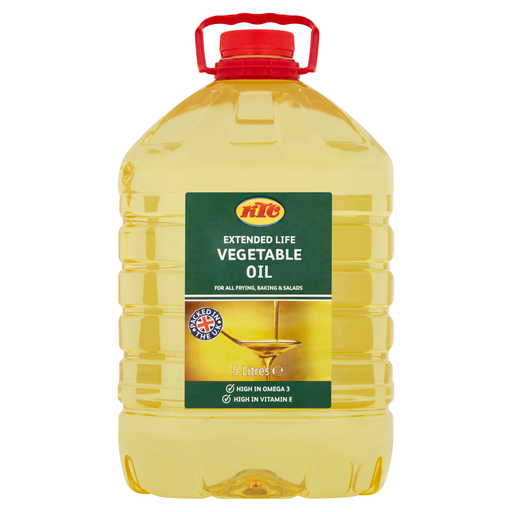
Why This Fits Their Persona: For households that get through a lot of cooking oil, this large 5-litre container offers great value. It's a versatile, all-purpose oil suitable for the daily demands of frying, roasting and baking for the family.
This is a reliable high smoke point oil, so you won't accidentally burn it when frying chips or searing meat, avoiding the common pitfall of using the wrong oil for high-heat cooking.
Its neutral flavour won't overpower your dishes, and the large, economical size is practical for frequent use.
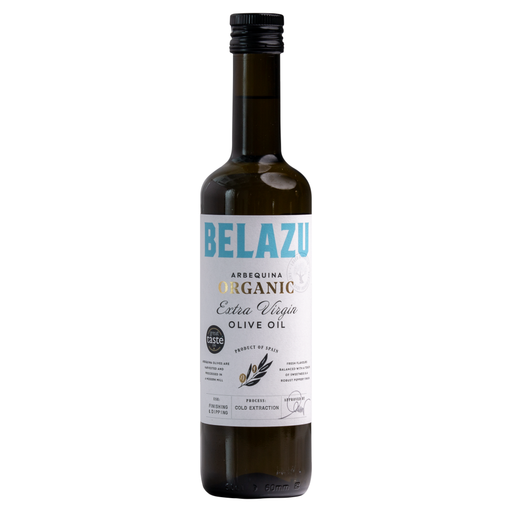
Why This Fits Their Persona: This person appreciates quality ingredients and authentic flavour. This organic olive oil is cold-extracted from Spanish Arbequina olives, delivering a robust, peppery finish that elevates salads, grilled fish and bread dipping.
By being a designated finishing oil, it encourages correct usage (drizzling, not frying), preventing the waste of a premium product. The organic certification provides clear, trustworthy information, avoiding vague label confusion.
It offers a complex, fruity and peppery flavour profile. Being cold-extracted helps preserve the natural character of the olives.
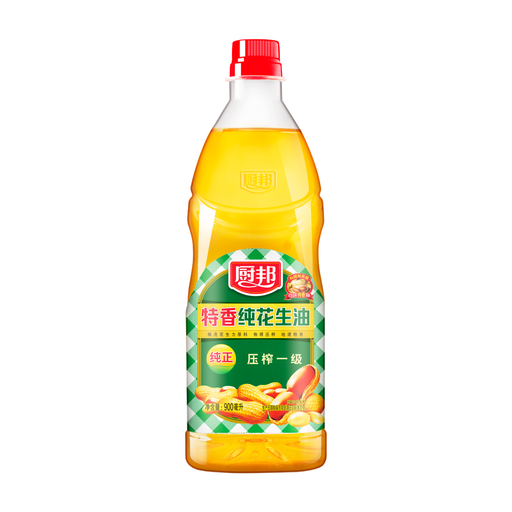
Why This Fits Their Persona: For those exploring authentic Chinese cooking, a generic vegetable oil won't do. This pure peanut oil provides the characteristic nutty aroma essential for many stir-fries and other Asian dishes, with a high smoke point suitable for wok cooking.
This is a purpose-specific oil. It stops you from using an inappropriate, low-smoke or neutral-flavoured oil and wondering why your home-cooked takeaway doesn't taste quite right.
It delivers an authentic, rich peanut aroma and has a high smoke point, making it ideal for stir-frying and deep-frying.

Why This Fits Their Persona: This cook values a tidy, functional and aesthetically pleasing kitchen. This stainless steel oil dispenser is not only practical for decanting bulk oils but also looks smart on the worktop, combining form and function.
It directly solves the storage problem. The opaque stainless steel body protects oil from light, while the dust cover shields it from air, preventing the oil from going rancid and saving you from wasted purchases.
Features a leakproof, eagle-style spout for precise, no-drip pouring and is made from durable 304 stainless steel. The wide mouth makes it easy to refill and clean.
We have compiled a complete, real-time list of products that fully satisfy these strict selection criteria and UK safety regulations.
1. What does "smoke point" mean and why is it important? The smoke point is the temperature at which an oil stops shimmering and starts to burn, producing smoke. It's important because cooking an oil past its smoke point destroys its beneficial nutrients, creates harmful compounds and gives your food a burnt taste. Always match the oil's smoke point to your cooking method: high for frying, low for dressings.
2. How should I store my cooking oil to keep it fresh? The three main enemies of cooking oil are heat, light and air. Store your oil in a cool, dark place like a cupboard, not next to the hob or on a windowsill. Ensure the cap is tightly sealed after each use. For best results, consider decanting oil from large clear plastic bottles into smaller, opaque containers like a stainless steel or ceramic oil bottle for kitchen use.
3. Can I use extra virgin olive oil for all types of cooking? While versatile, extra virgin olive oil (EVOO) is not ideal for all cooking. It has a relatively low smoke point, meaning it can burn easily at the high temperatures required for deep-frying or searing. Its rich, fruity flavour is also best appreciated raw. It is most suitable for salad dressings, dipping, or drizzling over dishes just before serving. For high-heat cooking, a refined olive oil, rapeseed oil or vegetable oil is a more appropriate choice.