
24/7 Customer Support

Free returns

Same-day & Next-day Delivery

Quality Guaranteed

Unlock Your Welcome Offers: FREE Delivery | Up to 80% OFF | Free 30-day JoyPlus trial
Download the APP
Choosing cooking oil is rarely as simple as picking the largest bottle or the lowest price. UK shoppers may be comparing vegetable oil, rapeseed oil, olive oil, peanut oil, sesame oil and blended products, each suited to different cooking methods and flavour preferences.
The wrong choice can leave you with an oil that smokes too quickly, overwhelms delicate food or sits unused in the cupboard. Before buying, focus on the oil’s ingredients, intended use, storage requirements and pack size rather than relying on vague front-label claims.
The term vegetable oil can describe oil made from one plant source or a blend. Some products listed as vegetable oil are made from rapeseed oil, while others combine rapeseed and sunflower oil or include other ingredients.
Check the ingredients list to see whether you are buying:
A high smoke point is useful for frying oil, roasting and deep-frying, but it does not automatically make an oil suitable for every recipe. Flavour, refinement, stability, allergen information and the manufacturer’s usage guidance also matter.
Extra virgin olive oil, for example, is often selected for dressings, marinades and drizzling because of its characteristic flavour. A neutral rapeseed or refined vegetable oil may be more practical when you want the ingredients to remain the focus.
A 5L cooking oil container can offer practical value for restaurants, caterers, meal preppers and large households. However, a large bottle takes longer to use and needs a cool, dry storage area away from direct sunlight and heat.
Avoid transferring hot oil back into plastic packaging. Once opened, keep the cap tightly closed and check the packaging for the best-before date and storage instructions.
The label should clearly identify the oil or blend. This is particularly important for households managing allergies. Peanut oil contains peanuts, while sesame oil contains sesame. Some blended oils may contain soybean, peanut or sesame ingredients.
For a straightforward everyday option, a product made from 100% rapeseed oil offers a simple ingredient profile. If you are buying speciality oil for Asian cooking, check whether the aroma comes from sesame, peanut, mustard or a seasoning blend.
UK food labels must provide allergen information where relevant, but always read the current packaging because formulations and labelling can change.
Match the oil to the way you cook:
Smoke point figures can vary according to processing and product specification. Treat any temperature shown on a product page as guidance rather than a reason to overheat oil.
Compare the price per litre, not just the shelf price. A 2L or 3L bottle may suit a busy household, while a 5L format can reduce replenishment frequency for a foodservice kitchen.
Smaller bottles are often more suitable for oils used sparingly, such as sesame oil, mustard oil or speciality extra virgin olive oil. Buying a large container of a strongly flavoured oil may not represent good value if it is used only occasionally.
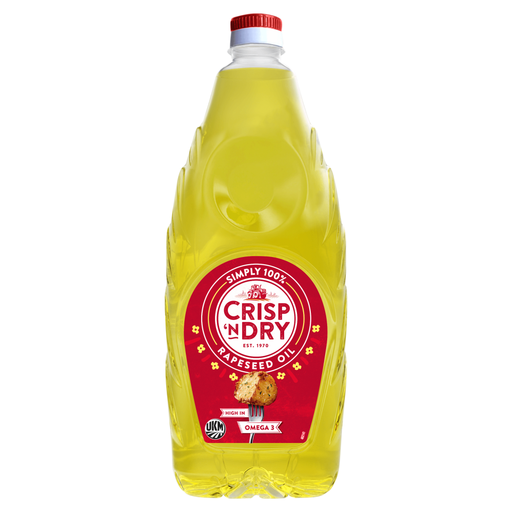
Why This Fits Their Persona: A practical size for everyday UK cooking, including frying, roasting and baking, without committing to a large catering container.
The listed ingredient is rapeseed oil, helping shoppers avoid an unclear vegetable-oil blend. Its subtle flavour is less likely to overpower ordinary meals.
2L format; rapeseed oil base; listed as allergen-free; suitable for frying and roasting.
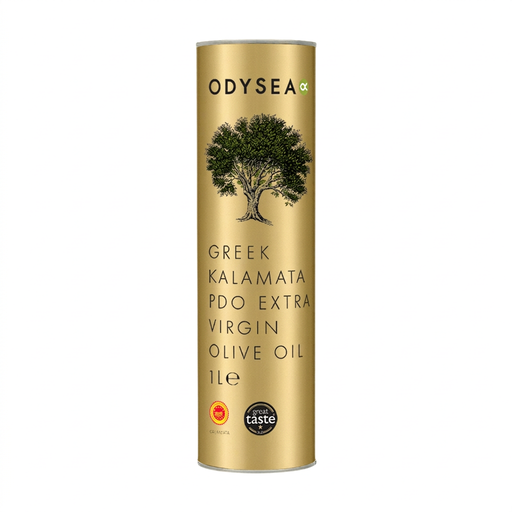
Why This Fits Their Persona: Suitable for shoppers who value regional provenance and a pronounced flavour for salads, dipping, grilled foods and finishing.
The product description identifies Kalamata PDO origin, Koroneiki olives and mechanical extraction, giving more detail than a generic “premium” label.
100% extra virgin olive oil; 1L bottle; vegetarian, vegan and gluten-free information provided; distinctive herbaceous profile.
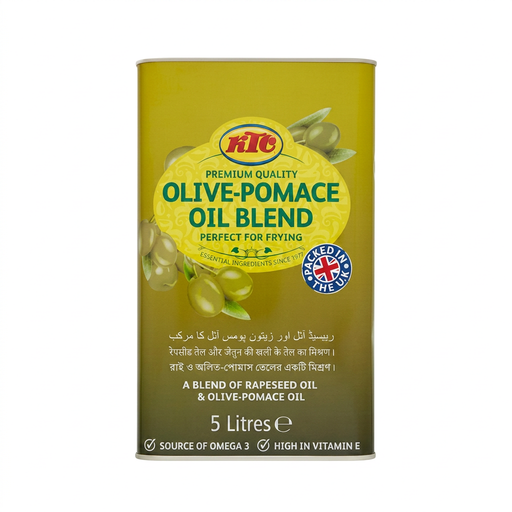
Why This Fits Their Persona: A catering oil format for restaurants, foodservice buyers, large households and frequent frying or baking.
The blend is specified as 52% olive pomace oil and 48% rapeseed oil, with E900 listed as an anti-foaming agent rather than hidden in vague marketing language.
5L format; intended for frying and baking; suitable for vegetarians and vegans; blend composition is stated.
We have compiled a complete, real-time list of products that fully satisfy these strict selection criteria and UK safety regulations.
A mild rapeseed oil or clearly labelled vegetable oil can be a practical everyday choice, provided it is used according to the packaging instructions. Compare the ingredient list, intended use and pack size before buying.
It can be worthwhile for frequent frying, meal preparation, restaurants and catering kitchens. For occasional cooks, a smaller bottle may reduce cupboard space and help you use the oil within its recommended freshness period.
Extra virgin olive oil is commonly selected for dressings, dipping, marinades and finishing because of its flavour. Some products also provide guidance for gentle cooking or roasting. Always follow the specific product label rather than assuming every olive oil has identical cooking instructions.