
24/7 Customer Support

Free returns

Same-day & Next-day Delivery

Quality Guaranteed

Unlock Your Welcome Offers: FREE Delivery | Up to 80% OFF | Free 30-day JoyPlus trial
Download the APP
Choosing cooking oil in the UK is rarely as simple as picking the largest bottle or the lowest price. Different oils behave differently in a frying pan, wok, salad dressing or marinade, and attractive packaging can hide details that affect flavour, freshness and value.
The main shopping pitfalls are easy to recognise once you know what to check:
Extra virgin olive oil is obtained directly from olives by mechanical means and generally has a noticeable fruity or grassy character. It can be used for dressings, dipping, marinades, roasted vegetables and gentle cooking. A robust Greek Kalamata olive oil may suit grilled foods and pasta, while a milder Italian olive oil can be easier to use across everyday recipes.
Refined or mild-and-light olive oil usually has a subtler aroma. This makes it practical for frying, sautéing and baking when you want the ingredients to provide most of the flavour.
Pure sesame oil has a nutty taste, while roasted sesame oil is typically darker and more aromatic. Use it in small quantities for noodle dishes, soups, dipping sauces and stir-fries. Check the ingredients carefully: a blended sesame oil may include other vegetable oils, so do not assume the front label tells the whole story.
Coconut oil can work in baking, frying and low-to-medium heat cooking, but cold-pressed versions may have a distinctive coconut flavour and a lower smoke point than some refined alternatives.
In the UK, the ingredients list and allergen information are more useful than vague front-of-pack wording. Look for:
Nutrition panels for olive, sesame and coconut oils commonly show around 90g or more of fat per 100ml or 100g, so portion size remains relevant. Nutritional information alone does not determine which oil is suitable for a particular recipe.
A cooking oil 500ml bottle is a sensible starting size for occasional cooks, smaller households or anyone comparing flavours. A 1-litre bottle suits regular use, while bulk cooking oil in 2-litre or 5-litre formats can be more convenient for large families, restaurants and catering kitchens.
Store oil in a cool, dark cupboard away from the hob, oven and direct sunlight. Keep the cap tightly closed after use. Olive oil may become cloudy at lower temperatures; this is a normal physical change and it should clear when returned to room temperature. Avoid refrigerating most oils unless the packaging specifically recommends it.
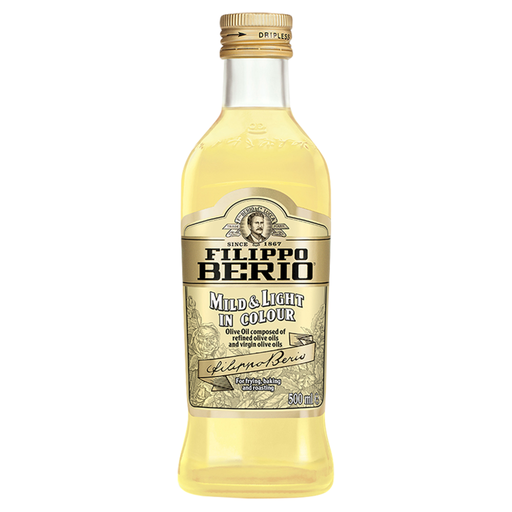
Why This Fits Their Persona: A manageable size for a first purchase, with a subtle aroma suited to frying, sautéing and baking in a typical UK kitchen.
Its ingredient description identifies refined olive oil combined with virgin olive oil, rather than presenting it as extra virgin olive oil.
500ml format; mild aroma; suitable for frying, sautéing and baking.
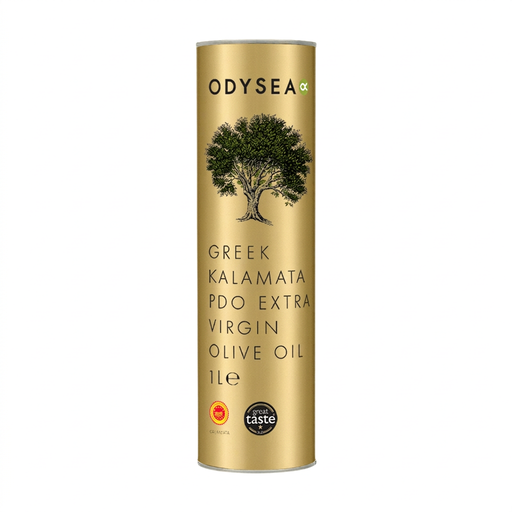
Why This Fits Their Persona: Suits cooks who want a clearly identified origin and a fuller olive flavour for salads, dipping, grilled fish and finishing.
The listing specifies PDO Kalamata origin, Koroneiki olives and mechanical extraction, giving more information than a generic regional description.
1-litre bottle; full-bodied, herbaceous flavour; vegan and vegetarian listed.
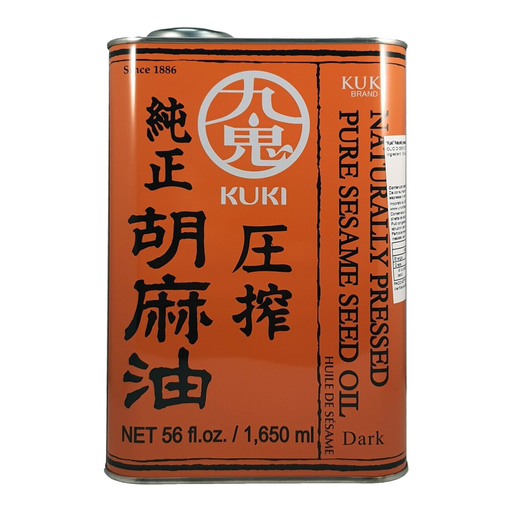
Why This Fits Their Persona: A larger format for households, restaurants or catering users who regularly prepare Asian-inspired stir-fries, noodles, marinades and dressings.
The product is identified as 100% sesame seed oil and contains a sesame allergen notice, avoiding uncertainty around blended ingredients.
1.65-litre size; roasted, aromatic sesame profile; suitable for stir-fries, marinades and finishing.
We have compiled a complete, real-time list of products that fully satisfy these strict selection criteria and UK safety regulations.
A mild or refined olive oil is often practical for frying and sautéing because it has a subtle flavour. Always follow the product label and avoid overheating any oil until it smokes. Extra virgin olive oil can be used for gentle cooking, but many shoppers prefer to reserve its flavour for dressings, drizzling and finishing.
There is no single lifespan for every oil. Check the best-before information, store the bottle away from heat and light, and keep it sealed. If the aroma becomes stale or unpleasant, or the oil shows unexpected changes beyond normal olive-oil cloudiness, replace it.
A larger container can offer a lower price per millilitre, but only when the oil will be used before its flavour declines. Compare the unit price, storage space and your household’s consumption. For occasional use, a 500ml or 1-litre bottle may create less waste than bulk cooking oil.