
24/7 Customer Support

Free returns

Same-day & Next-day Delivery

Quality Guaranteed

Unlock Your Welcome Offers: FREE Delivery | Up to 80% OFF | Free 30-day JoyPlus trial
Download the APP
Choosing cooking oil can look simple until you compare smoke points, flavour, bottle sizes and ingredient labels. A large bottle is not always economical, while an oil labelled “versatile” may be better suited to finishing dishes than high-heat frying.
For UK households, the right choice depends on how you cook, how quickly you use oil and whether your recipes require a neutral base or a distinctive flavour. This guide explains the key checks to make before buying, followed by our top recommendations for different cooking habits.
Extra virgin olive oil has a distinctive flavour and is commonly used for salad dressing, marinades, dipping, roasting and drizzling. It can also be used for certain everyday cooking tasks, but its character may not suit dishes where you want the ingredients to remain the focus.
For high-heat cooking, compare the product’s stated usage instructions rather than assuming every olive oil performs identically. Refined olive oil, olive pomace oil, vegetable oil and peanut oil are often selected for frying or stir-frying because of their cooking characteristics and more neutral or robust flavour profiles.
Smoke point is useful, but it is not the only consideration. Cooking oil should be used at an appropriate temperature and should not be allowed to smoke. A product suitable for frying may still be unsuitable for your recipe if its flavour is too strong.
For deep-frying, also consider the bottle size, storage space, price per litre and whether the oil is intended for repeated use. Do not keep reheating oil indefinitely; discard it if it develops an unusual smell, colour, texture or excessive foaming.
A plain bottle may contain one oil, while a blended or seasoned product can include several allergens. Sesame oil, peanut oil and mustard oil require particular attention for anyone managing food allergies.
Read the bold allergen declaration and full ingredients list every time, especially when buying Asian seasoning oil, chilli oil or a mixed vegetable oil. Recipes containing soya, wheat, sesame, peanuts, nuts, fish or shellfish may also be present in flavoured products.
Match the oil to the job:
Check whether the bottle contains 100% of one oil or a blend. Filippo Berio Mild & Light Oil, for example, is made from refined olive oil and virgin olive oil, while KTC Olive Pomace Oil Blend combines olive pomace oil and rapeseed oil.
Single-ingredient options can make allergen checking easier. Blended cooking oil can offer practical versatility, but you need to inspect every component, particularly if it contains peanut, sesame or soya.
Choose the quantity based on realistic use:
Keep oil tightly sealed and away from heat and direct sunlight. Some olive oils may become cloudy below 7°C; this does not necessarily indicate spoilage. Always follow the storage guidance and best-before information on the packaging.

Why This Fits Their Persona: A manageable 500ml size suits smaller UK kitchens and shoppers who want olive oil for frying, sautéing and baking without committing to a large container.
The product information identifies it as a blend of refined olive oil and virgin olive oil, rather than extra virgin olive oil intended primarily for delicate finishing.
Neutral flavour profile; suitable for frying, sautéing and baking; 500ml bottle is easy to store.
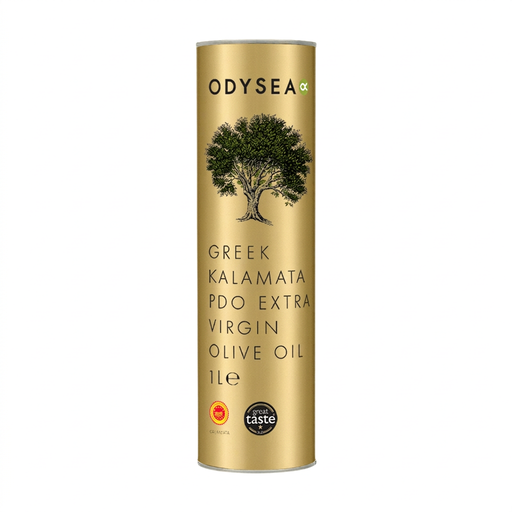
Why This Fits Their Persona: This 1L Greek olive oil suits cooks who enjoy a pronounced finishing oil for salads, grilled foods, pasta, vegetables and dipping.
The listing specifies 100% extra virgin olive oil, Koroneiki olives and Kalamata PDO origin, helping shoppers distinguish origin and grade from vague quality language.
100% extra virgin olive oil; Greek Kalamata PDO designation; vegetarian, vegan and gluten free according to the listing.
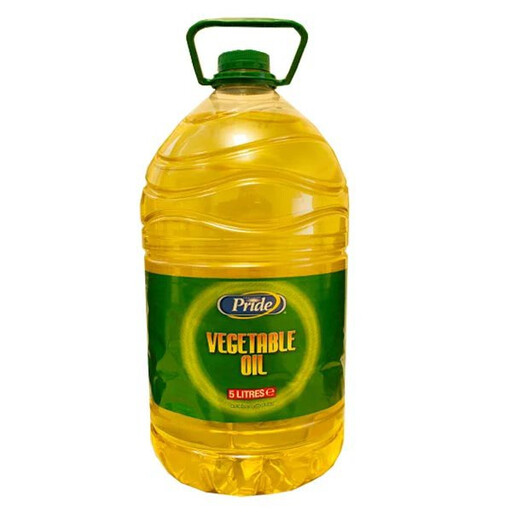
Why This Fits Their Persona: Families, frequent home cooks and catering buyers can use this large-format oil for frying, stir-frying, roasting, baking, sauces and dressings.
The ingredients identify a refined vegetable oil blend of rapeseed and sunflower oil, rather than leaving the oil type unspecified.
5L quantity; neutral taste; listed for frying, stir-frying, roasting and baking.
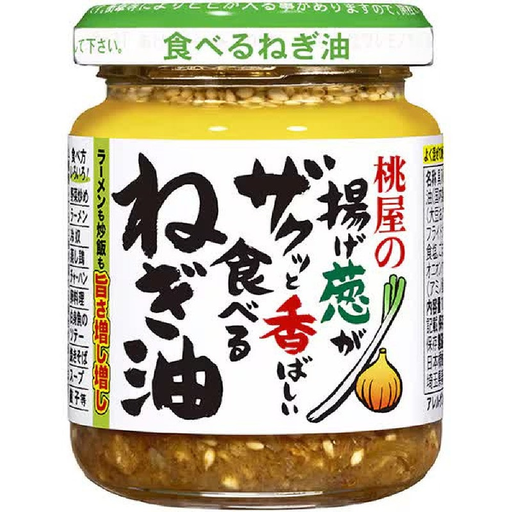
Why This Fits Their Persona: A ready-to-use Japanese seasoning oil for ramen, rice, noodles, tofu, soups and grilled vegetables, particularly useful when a small amount needs to add aroma and texture.
It is clearly presented as a ready-to-use eating oil, with ingredients and allergens listed, so it is not mistaken for a plain oil for repeated deep-frying.
Includes roasted green onion, fried garlic and toasted sesame; ready to drizzle; refrigerate after opening and consume within one month according to the listing.
We have compiled a complete, real-time list of products that fully satisfy these strict selection criteria and UK safety regulations.
The suitable option depends on the product label, cooking temperature and desired flavour. Refined vegetable oil, peanut oil and olive oil blends are commonly listed for frying or stir-frying. Avoid overheating any oil until it smokes, and follow the manufacturer’s usage guidance.
There is no single lifespan for every oil. Seal the bottle tightly, store it away from heat and use the packaging guidance as the primary reference. Oils with unusual odour, colour or texture should not be used. Flavoured oils may have shorter after-opening guidance; for example, the Momoya roasted green onion product advises refrigeration and consumption within one month.
Yes, it is commonly used for dressings, marinades, dipping and drizzling because its natural olive flavour is noticeable. Choose a milder olive oil for delicate salads or a more robust variety when you want the dressing to contribute a stronger herbaceous or peppery note.