
24/7 Customer Support

Free returns

Same-day & Next-day Delivery

Quality Guaranteed

Unlock Your Welcome Offers: FREE Delivery | Up to 80% OFF | Free 30-day JoyPlus trial
Download the APP
Choosing cooking oil can seem straightforward until you compare olive oil, vegetable oil, rapeseed oil, sunflower oil, peanut oil and speciality finishing oils. Bottle size, processing method, smoke point and allergen information can all affect whether an oil suits your kitchen.
For UK households, the right choice depends less on attractive front-label wording and more on how you plan to use the oil. A small bottle of sesame oil may be suitable for finishing noodles, while a 3L or 5L container may make more sense for regular frying or meal preparation.
“Vegetable oil” is a broad description rather than one fixed ingredient. It can refer to rapeseed oil, sunflower oil or a blend of oils. Always check the ingredients list to understand what you are buying.
For example, some products labelled vegetable oil contain 100% rapeseed oil, while others are blends of rapeseed and sunflower oil. These oils can have different flavour profiles and nutritional values.
A high smoke point oil can be practical for frying, roasting and stir-frying, but temperature control still matters. Heating oil until it smokes can affect flavour and create a fire risk. Use the cooking method and the manufacturer’s instructions together rather than relying on one front-of-pack claim.
Extra virgin olive oil is often selected for dressings, marinades and drizzling because of its distinctive flavour. Refined olive oil, rapeseed oil, sunflower oil and blended frying oil are generally more neutral choices when you do not want the oil to dominate the dish.
A large bottle may offer convenience for a busy household or catering kitchen, but it needs suitable storage and careful handling. Keep cooking oil in a cool, dry place away from direct sunlight, and avoid returning hot oil to a plastic container.
Allergens also require attention. Peanut oil contains peanuts, sesame oil contains sesame, and some chilli or flavoured oils may include soya, wheat, mustard or other ingredients. Read the full label before serving food to guests.
Look for clear descriptions such as 100% extra virgin olive oil, 100% rapeseed oil, pure peanut oil or a named blend. Extra virgin olive oil is obtained directly from olives by mechanical means and has a more pronounced taste than mild or refined olive oil.
Cold-pressed peanut, sesame or mustard oil may retain a stronger natural aroma. This can be useful in regional recipes, but it may not suit delicate baking or neutral-flavoured dishes.
Match the oil to the task:
Calculate the price per litre rather than comparing shelf prices alone. A 500ml bottle may be practical for occasional use or delicate oils, whereas 2L, 3L or 5L formats may suit households that fry, roast or bake frequently.
Large containers should be easy to pour and store securely. Do not buy in bulk if the oil will remain open for longer than its recommended usage period, particularly when purchasing aromatic oils.
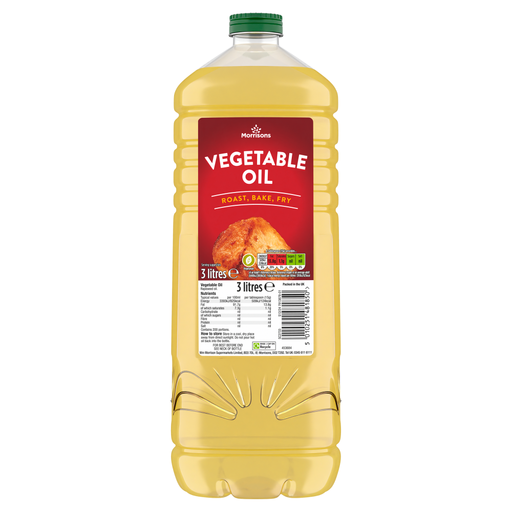
Why This Fits Their Persona: A generous format for UK households that regularly fry, roast, bake or prepare several meals at once.
The ingredients identify rapeseed oil rather than leaving the blend unspecified, and the 3L size reduces frequent replacement for regular cooking.
100% rapeseed oil; neutral flavour; described for frying, Yorkshire puddings, baking and meal preparation.
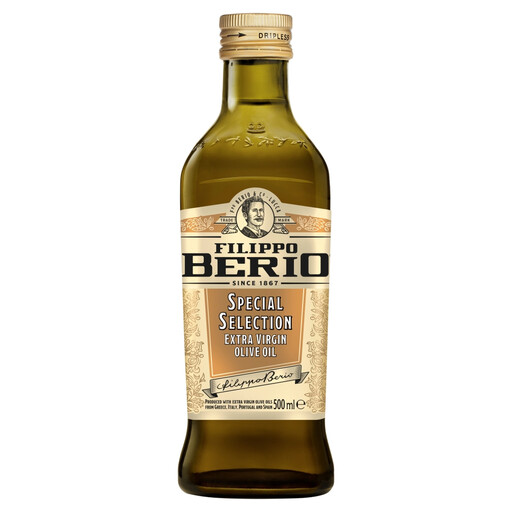
Why This Fits Their Persona: Suitable for shoppers who want a smaller extra virgin olive oil for dressings, dipping and finishing Mediterranean-style meals.
Its stated uses focus on uncooked applications and gentle sautéing, helping avoid treating a delicate-flavour oil as a general deep-frying product.
100% extra virgin olive oil; 500ml bottle; suitable for dressings, marinades, bread dipping and drizzling.
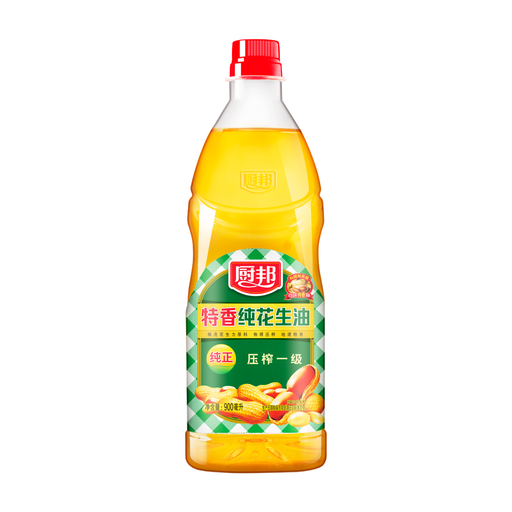
Why This Fits Their Persona: A practical option for cooks preparing stir-fries, fried dishes and recipes where a noticeable nutty aroma is welcome.
The product clearly states peanut oil and its peanut allergen, so buyers can check suitability before using it for family meals or entertaining.
100% peanut oil; 900ml size; listed for frying, stir-frying and daily cooking.

Why This Fits Their Persona: A compact choice for adding sesame aroma to noodles, soups, dipping sauces and finished stir-fries.
The 150ml glass bottle suits finishing use, reducing the risk of buying a large quantity of a strongly flavoured oil that is used only occasionally.
100% sesame oil; compact glass bottle; suitable for cold dishes, dipping and adding flavour before serving.
We have compiled a complete, real-time list of products that fully satisfy these strict selection criteria and UK safety regulations.
Rapeseed oil, sunflower oil, canola oil and products specifically described for frying can be practical choices. Check the label, control the heat and avoid allowing the oil to smoke.
Extra virgin olive oil can be used in dressings, marinades, gentle sautéing and some roasting applications. Its flavour is often most noticeable when used uncooked or added after cooking. For deep-frying, compare the product’s stated usage and temperature guidance with your recipe.
There is no single lifespan for every oil. Storage conditions, bottle size, exposure to heat and the oil type all matter. Keep it sealed in a cool, dark place and follow the best-before and post-opening instructions on the packaging. Aromatic oils such as sesame oil and chilli oil are often bought in smaller bottles because they are used in smaller quantities.