
24/7 Customer Support

Free returns

Same-day & Next-day Delivery

Quality Guaranteed

Unlock Your Welcome Offers: FREE Delivery | Up to 80% OFF | Free 30-day JoyPlus trial
Download the APP
Choosing cooking oil is not simply a matter of picking the largest bottle or the most premium-looking label. UK shoppers often buy an oil that tastes wrong for the recipe, performs poorly at the hob or sits unused in the cupboard until its flavour fades.
The most useful approach is to match the oil with how you cook. A mild oil may suit everyday frying, while extra virgin olive oil can add character to salads and roasted vegetables. Stronger options such as sesame oil or mustard oil are often chosen for specific cuisines and finishing applications.
Cold-pressed oil describes how the oil was extracted, not automatically how it should be used. A cold-pressed oil may be ideal for dressings, marinades or gentle cooking, but its flavour and heat suitability still need checking on the product label.
For example, a cold-pressed oil such as extra virgin olive oil can be useful for sautéing, roasting and finishing, while a fragrant sesame oil may be intended mainly for seasoning. Always follow the stated usage instructions rather than relying on a single production term.
Mustard oil and roasted sesame oil can bring distinctive aromas to Asian cooking, pickles, marinades and stir-fries. However, their assertive flavours may overpower delicate vegetables, cakes or creamy sauces.
If you want one bottle for several everyday tasks, look for a mild profile. If you already have a neutral frying oil, a smaller bottle of salad dressing oil or finishing oil can add variety without creating unnecessary waste.
A cooking oil spray can help spread a thin coating across a pan, baking tray or air-fryer basket. However, the quantity used depends on spray duration and coverage. Some sprays also contain water, alcohol, emulsifiers or thickeners rather than being a single-ingredient oil.
Check the ingredient list, serving size and storage instructions. Pressurised cans must be kept away from naked flames and hot surfaces.
For a pure product, the ingredients may simply state olive oil, sesame oil, mustard oil, walnut oil or rapeseed oil. Blended products can contain more than one oil, so read the full list if you require a particular flavour or ingredient.
UK food labels should identify relevant allergens clearly. Sesame, mustard and walnut oil require particular attention for anyone managing allergies. The KTC Edible Mustard Oil label identifies mustard seeds as an allergen, while sesame products should carry a sesame allergen notice. Never rely on front-of-pack wording alone.
Use the label’s directions to decide whether an oil is intended for:
Smoke point information can be useful, but it is not the only consideration. Oil quality, pan temperature, cooking duration and flavour are equally relevant. Do not let oil smoke; reduce the heat and replace oil that has visibly degraded.
A 150ml or 200ml bottle may be sensible for a strongly flavoured finishing oil, while a 1L bottle can suit frequent frying or a large household. Buying in bulk only saves money if the oil will be used before its flavour declines.
Store oil in a cool, dry and dark place, away from the cooker and direct sunlight. Keep the cap tightly closed. Some olive oils may turn cloudy in cool conditions; this can be a natural response to low temperature and does not necessarily indicate spoilage. Follow the packaging instructions, particularly after opening.
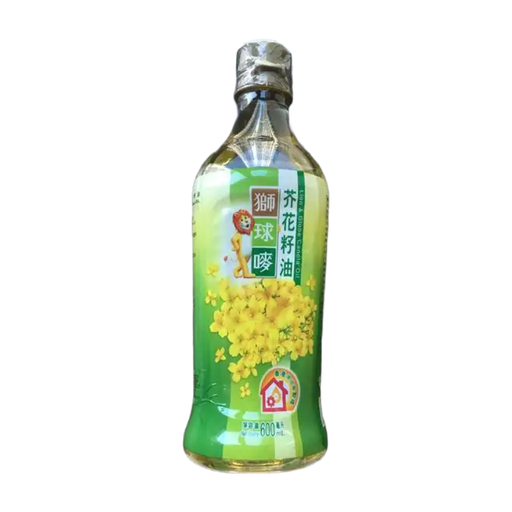
Why This Fits Their Persona: A practical option for households starting to build an everyday cooking cupboard, with a 600ml size and directions covering stir-frying, deep-frying, cold dishes and dipping sauces.
The product is listed as pure rapeseed oil, so shoppers can see clearly what they are buying rather than guessing from a vague blended-oil description.
100% rapeseed oil; clear usage guidance for stir-frying and deep-frying; no allergens listed in the supplied product information.
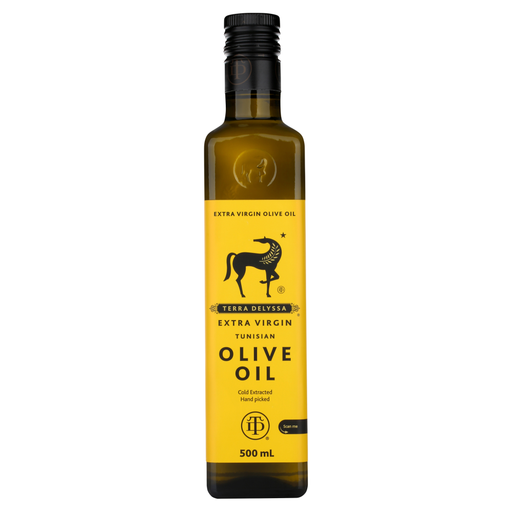
Why This Fits Their Persona: Suitable for shoppers wanting one 500ml bottle for dressings, sautéing, pan-frying, roasted vegetables and everyday Mediterranean-style cooking.
Its supplied description identifies 100% extra virgin olive oil and a mild flavour profile, helping avoid a strongly flavoured oil that overwhelms everyday dishes.
100% Tunisian extra virgin olive oil; dark glass bottle; described as cold-pressed and suitable for both hot and cold applications.
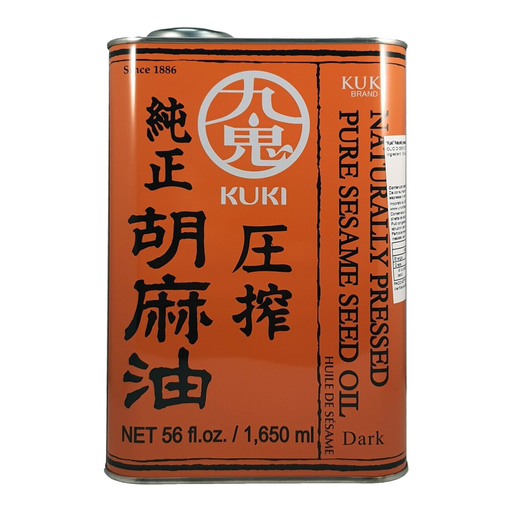
Why This Fits Their Persona: A large-format choice for frequent Asian cooking, including stir-fries, ramen, marinades, dressings and finishing drizzles.
The bottle size suits regular users, while the product information clearly identifies sesame as an allergen and recommends cool, dark storage.
100% sesame seed oil; roasted, aromatic flavour; 1.65L quantity for frequent use.
We have compiled a complete, real-time list of products that fully satisfy these strict selection criteria and UK safety regulations.
Choose an oil whose label specifically mentions frying or high-temperature cooking. Rapeseed oil is commonly listed for stir-frying and deep-frying, while olive oil products vary by style and guidance. Avoid overheating any oil until it smokes.
There is no single lifespan for every oil. Use the packaging date mark as a guide and store the bottle away from heat and sunlight. Strongly aromatic oils may lose noticeable flavour sooner after opening, so buy smaller bottles unless you use them regularly.
A spray can reduce mess and help distribute a light coating, but value depends on the bottle price, serving size and how long each spray is held. Compare the stated volume and ingredient list with a conventional bottle before assuming it costs less.