
24/7 Customer Support

Free returns

Same-day & Next-day Delivery

Quality Guaranteed

Unlock Your Welcome Offers: FREE Delivery | Up to 80% OFF | Free 30-day JoyPlus trial
Download the APP
Navigating the oil aisle can feel overwhelming. From the kitchen cupboard to the bathroom cabinet, we use oils for everything from searing a steak to soothing dry skin. But with shelves packed with options all claiming to be pure, healthy, or authentic, it's easy to make a purchase you'll later regret. As a Joybuy Product Recommendation Officer, my role is to help you see past the marketing jargon and choose products that genuinely deliver on their promise.
Before you spend another pound, let's look at the common pitfalls that UK shoppers encounter.
To make a confident choice, focus on a few key parameters rather than marketing slogans. These objective factors will tell you almost everything you need to know about an oil's quality and suitability.
The smoke point is the temperature at which an oil begins to break down and produce visible smoke. Using an oil above its smoke point not only imparts a burnt, bitter taste to your food but can also release free radicals.
The ingredient list and production method are your best guide to quality.
To help you match the right product to your needs, here are a few recommendations based on different user profiles.
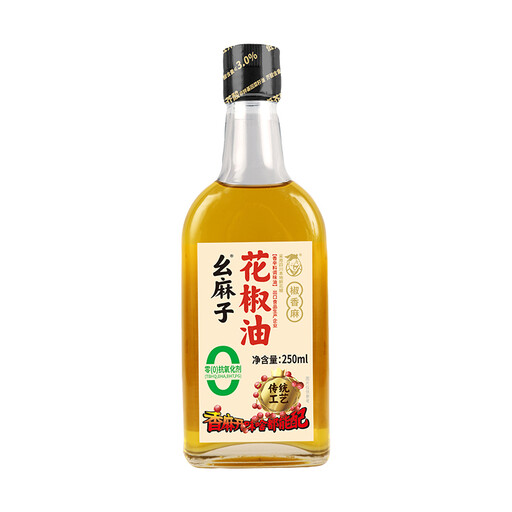
Why This Fits Their Persona: This user wants to recreate the true taste of Sichuan cuisine at home. This oil is specifically designed to deliver the authentic, numbing 'málà' sensation that is the hallmark of the region's dishes, perfect for mapo tofu, cold salads, or a hot pot dipping sauce.
It directly counters the 'fading flavour' pitfall. The ingredient list clearly states 40% Sichuan pepper, and it's made using a traditional physical press. This ensures a potent, lasting aroma that doesn't disappear when you cook.
A clean, two-ingredient formula (rapeseed oil, Sichuan pepper) with no added antioxidants or preservatives. The flavour is bright and numbing, not bitter.
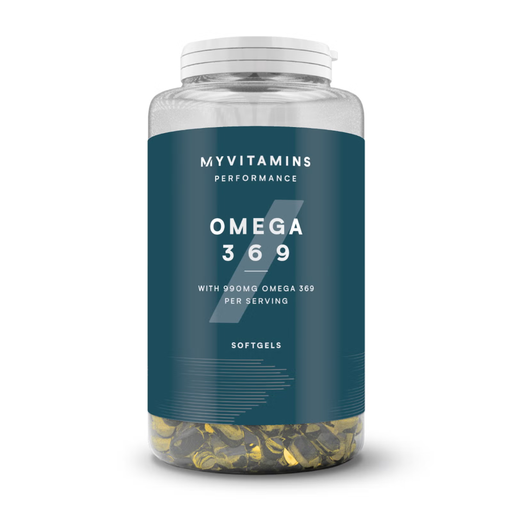
Why This Fits Their Persona: For the health-conscious individual in the UK looking for a simple, no-fuss way to get their daily essential fatty acids. This product combines the three key omegas into one convenient softgel, removing the need to buy multiple supplements.
This avoids the 'healthy halo' trap by being specific. It provides a 1000mg dose per softgel and clearly states its sources: fish oil (for omega-3), borage oil (for omega-6) and flaxseed oil (for omega-9). This is transparent and easy to understand.
A comprehensive blend of essential fatty acids in a single, easy-to-swallow softgel. The 120-capsule bottle offers a convenient two-month supply.
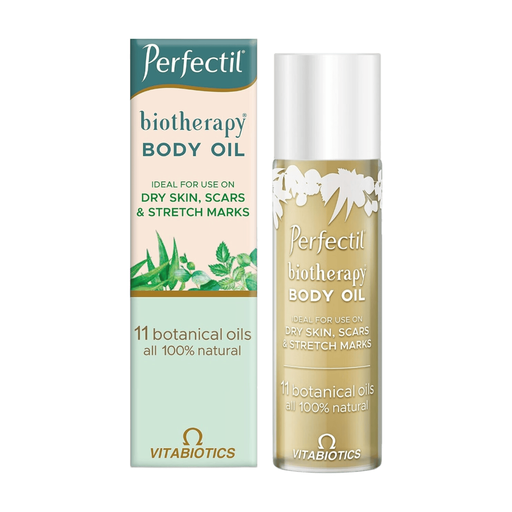
Why This Fits Their Persona: This user is looking for an effective, nourishing body oil to combat dry skin, without the greasy residue or questionable fillers. They appreciate products that use a variety of plant-based ingredients for comprehensive care.
It sidesteps the 'vague natural label' trap. The ingredient list is led by high-quality plant oils like Avocado, Olive, Coconut and Argan Oil. This transparency shows it's a genuine blend of nourishing oils, not just a token amount in a cheap base.
A lightweight, easily absorbed texture that doesn't leave a greasy film. The blend of multiple plant oils and vitamin E provides deep moisturising for the whole body.
We have compiled a complete, real-time list of products that fully satisfy these strict selection criteria and UK safety regulations.
While it's tempting to simplify, it's not advisable. A delicate extra virgin olive oil is perfect for a salad dressing but will smoke and taste unpleasant if used for deep-frying. Conversely, a neutral, high-smoke-point vegetable oil is great for frying but won't add any character to a dressing. For a versatile kitchen, it's practical to have at least two: a neutral oil with a high smoke point for general cooking and a more flavourful, unrefined oil for finishing dishes and dressings.
To preserve their flavour and freshness, speciality and flavoured cooking oils should be stored in a cool, dark place away from direct sunlight and heat sources like your hob. Heat and light are the biggest enemies of delicate aromatic compounds. Always ensure the cap is tightly sealed after use to prevent oxidation, which can make the oil turn rancid.
A low calorie cooking spray can be a useful tool for reducing overall fat and calorie intake, as it allows you to coat a pan with a very thin layer of oil. However, it's important to read the label. Some sprays contain water, emulsifiers and propellants in addition to oil. While they are effective for calorie control, they are not a direct substitute for pure oil in recipes where the fat content is integral to the texture and flavour, such as in baking or making sauces.