
24/7 Customer Support

Free returns

Same-day & Next-day Delivery

Quality Guaranteed

Unlock Your Welcome Offers: FREE Delivery | Up to 80% OFF | Free 30-day JoyPlus trial
Download the APP
From a pinch in a cake batter to a generous sprinkle over a Sunday roast, cooking salt is the most fundamental ingredient in any kitchen. Yet, the supermarket aisle presents a confusing array of options: fine, coarse, flakes, sea salt, rock salt and Himalayan pink salt. It’s easy to overpay for a fancy box or grab the wrong type and compromise the texture of your dish.
As the Joybuy Product Recommendation Officer, my role is to help you navigate these choices. This guide will break down the common pitfalls of buying cooking salt and clarify the essential factors to consider, ensuring you get the right salt for the right job without falling for marketing hype.
Before you add a new salt to your basket, be aware of these frequent misconceptions that lead to wasted money and disappointing meals.
To choose wisely, focus on two key parameters: crystal structure and composition. These factors determine how the salt will behave in your cooking and what it's best suited for.
The size and shape of salt crystals dictate how quickly they dissolve and the texture they provide.
The source of the salt affects its mineral content and intended use.
Based on these practical considerations, we've matched a few standout products to different types of home cooks.
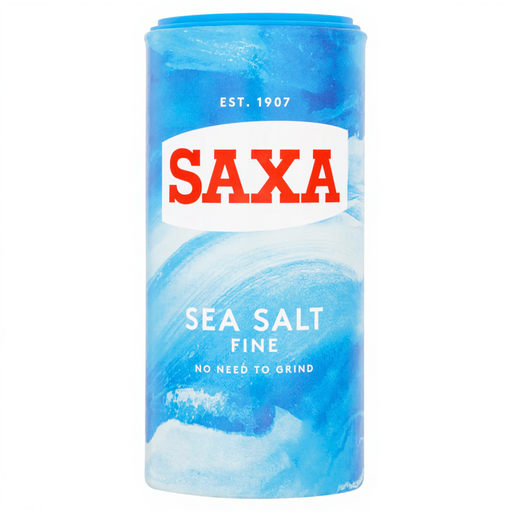
Why This Fits Their Persona: This is a reliable, no-fuss pantry staple for daily use. Its fine texture is versatile enough for seasoning sauces, boiling vegetables and baking, making it a true all-rounder for the busy UK household.
It avoids the "gourmet" myth by being an affordable, functional product. Its purpose as a fine cooking salt is clear, preventing the texture mismatch pitfall.
100% natural sea salt that dissolves quickly and evenly, ensuring consistent seasoning without any gritty residue.
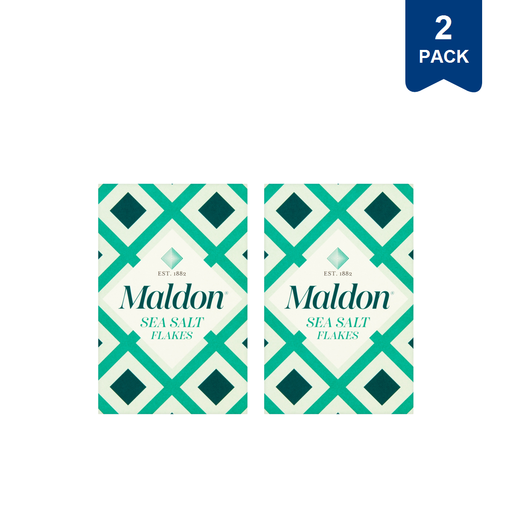
Why This Fits Their Persona: For those who appreciate the final details, this finishing salt is a must-have. The iconic pyramid flakes add a professional touch and satisfying crunch to steaks, salads, roasted vegetables and even caramel desserts.
Its value is entirely in its unique, crunchy texture, not in vague health claims. It is specifically a finishing salt, so there is no risk of a texture mismatch when used as intended.
Soft, crunchy sea salt flakes with a clean flavour that enhances food without being overpowering. Hand-harvested for a distinctive shape.
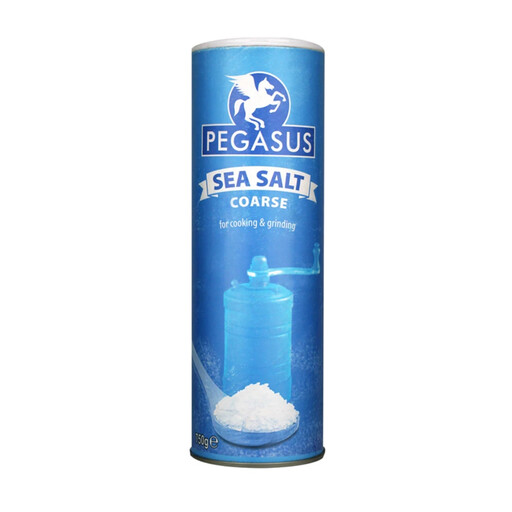
Why This Fits Their Persona: This large-format drum is perfect for those who use a salt grinder daily or frequently cook roasts. The coarse crystals are ideal for grinding fresh or for rubbing onto jacket potatoes and meat for a crispy, flavourful skin.
This is a bulk, functional product where the coarse texture is the main feature. It's designed for a specific purpose (grinding and roasting), avoiding the texture mismatch trap.
Large, natural sea salt crystals retain a clean, briny flavour. The resealable drum packaging keeps moisture out and prevents clumping.
We have compiled a complete, real-time list of products that fully satisfy these strict selection criteria and UK safety regulations.
The primary difference is their source. Sea salt is produced by evaporating seawater, while Himalayan pink salt is a type of rock salt mined from deposits in Pakistan. The pink colour comes from trace minerals like iron oxide. For most cooking applications, the flavour difference is very subtle. The main choice comes down to visual preference and the specific crystal size you need.
It is generally not advisable. Coarse salt crystals dissolve much more slowly than fine salt. In a cake batter or bread dough, this can result in an uneven distribution of salt, leading to pockets of intense saltiness and a gritty texture. For consistent results in baking, always opt for a fine-grained salt.
Iodine is an essential mineral for healthy thyroid function. In the UK, sources include dairy products and fish. If your diet is low in these foods, using an iodised salt for your daily cooking can be a simple and effective way to ensure you are getting enough. Most sea salts and rock salts are not naturally rich in iodine, so you would need to look for a product specifically labelled as "iodised".