
24/7 Customer Support

Free returns

Same-day & Next-day Delivery

Quality Guaranteed

Unlock Your Welcome Offers: FREE Delivery | Up to 80% OFF | Free 30-day JoyPlus trial
Download the APP
From a simple sprinkle on your morning eggs to the crucial ingredient in a slow-cooked stew, salt is the cornerstone of any kitchen. Yet, walk down the supermarket aisle and the sheer variety can be overwhelming. With terms like 'gourmet', 'rock', 'sea' and 'finishing' all competing for your attention, it's easy to overspend or pick the wrong type for your needs. As the Joybuy Product Recommendation Officer, my role is to help you navigate the options and find the right cooking salt without falling for the common pitfalls.
Before you add another salt to your pantry, let's look at the frequent traps that UK shoppers encounter:
sea salt flakes are designed to add texture and a final burst of flavour when sprinkled on a dish just before serving. Using these expensive finishing salts in soups, stews or pasta water is a waste, as their unique texture dissolves completely, offering no more benefit than a much cheaper fine sea salt.Himalayan pink salt are often marketed for their trace mineral content. While they do contain minerals that give them their distinctive colour, the amounts are typically too small to offer a significant dietary benefit. The primary component is still sodium chloride, just like regular table salt.To make an informed choice, focus on three key factors: crystal size, source and intended application. Getting these right will have a far greater impact on your cooking than any marketing label.
The texture of a salt crystal dictates how it behaves in food. This is arguably the most important factor to consider for culinary use.
table salt and fine sea salt. The small crystals dissolve quickly and evenly, making them ideal for baking (where precise measurements are key), seasoning sauces and general cooking. Many fine table salts contain anti-caking agents to ensure they flow freely.coarse sea salt and rock salt are perfect for specific applications. They are the standard choice for refilling a salt for grinders, creating a salt crust on meat or fish and for processes like curing or brining. Kosher salt is a type of coarse salt prized for its flaky structure, which adheres well to surfaces and dissolves cleanly.Where the salt comes from and how it's processed affects its flavour profile and mineral content.
sea salt can be fine or coarse. Its flavour can vary slightly depending on the minerals present in the water source. Brands like Maldon salt and Saxa salt are well-known examples in the UK.Himalayan pink salt. The flavour is often described as more direct, and the mineral content from the deposits gives it a unique colour.Not all salts are for eating. It's crucial to distinguish between salts for cooking and those for bathing.
table salt to gourmet salt.Epsom salt for bath and Dead Sea salt are not for eating. Epsom salt is magnesium sulfate, used in baths to help soothe tired muscles. Dead Sea salt is rich in a different profile of minerals and is used for skin conditioning. Always check the packaging.To help you match the right salt to your needs, here are a few recommendations based on common user profiles.
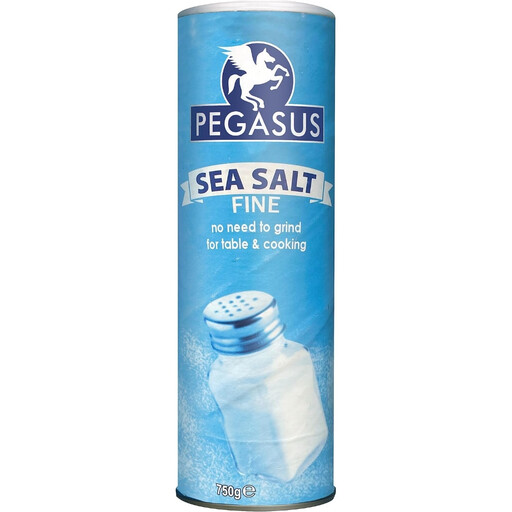
Why This Fits Their Persona: This is a practical, high-volume choice for daily use. The fine texture is perfect for seasoning everything from pasta water to sauces and for use in baking, where even distribution is essential. It's a workhorse salt for the busy family kitchen.
It avoids the 'gourmet' price trap by offering a large quantity of quality fine sea salt in functional packaging, focusing on utility over branding.
The 750g resealable drum keeps moisture out, preventing clumping. Its fine grain dissolves quickly for consistent seasoning in all types of cooking.
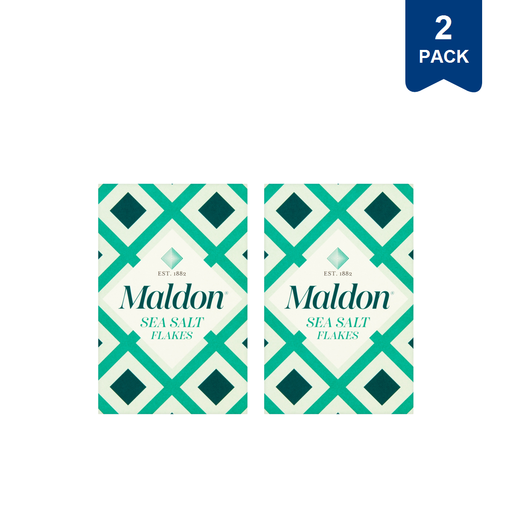
Why This Fits Their Persona: For the cook who wants to elevate their dishes, this is the quintessential finishing salt. Its unique pyramid flakes add a satisfying crunch and clean flavour to steaks, salads and even chocolate desserts, providing a textural element that fine salt cannot.
This product directly counters the pitfall of using the wrong salt. It is specifically designed as a finishing salt, ensuring you get value from its unique texture rather than wasting it in a stew.
The soft, crunchy flakes provide a distinct texture and a pure, salty taste without being overpowering. It is harvested using traditional methods.
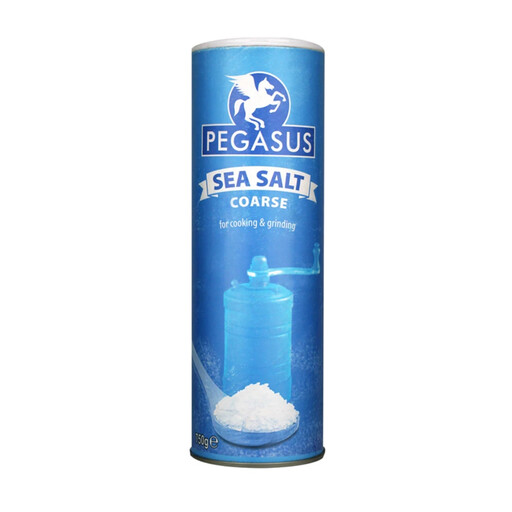
Why This Fits Their Persona: For those who prefer freshly ground salt, buying it in a large, coarse format is the most economical choice. This drum provides a plentiful supply of coarse sea salt, perfect for refilling grinders and for cooking tasks that require large crystals, like salt-baking fish.
It prevents you from repeatedly buying small, expensive grinders or refill packets. This bulk format offers better value and reduces packaging waste.
The large, irregularly shaped crystals are ideal for use in any standard salt grinder. The resealable drum maintains freshness and prevents clumping.
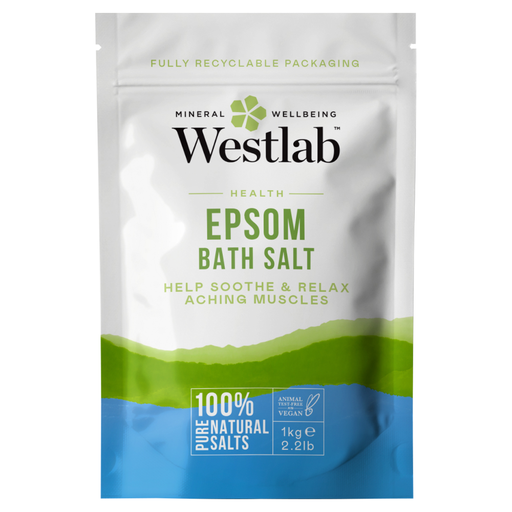
Why This Fits Their Persona: For those seeking relaxation and muscle recovery, this is the correct choice. It is not a cooking salt but a therapeutic product for bathing, ideal after a workout or a long day to help soothe tired and aching muscles.
This product clarifies the crucial difference between culinary and therapeutic salts. It is clearly labelled for external use only, preventing accidental ingestion.
Made of pure **magnesium sulfate**, it is specifically formulated for bathing. It is free from additives and intended to aid relaxation and muscle recovery.
We have compiled a complete, real-time list of products that fully satisfy these strict selection criteria and UK safety regulations.
The main differences are in the processing, mineral content and texture. Sea salt is produced by evaporating seawater, so it retains trace minerals that can affect its taste and colour. Table salt is mined from underground deposits and highly refined to remove these minerals, resulting in a more pure sodium chloride. It also commonly contains added iodine and anti-caking agents to prevent clumping.
Yes, you can use Himalayan pink salt as an all-purpose salt. Its flavour is similar to other salts and it can be used in both cooking and finishing. However, it is often more expensive than regular sea or table salt. While it contains trace minerals, the quantities are generally not enough to make a significant health difference. Its primary value is aesthetic and a matter of personal taste.
Pure salt (sodium chloride) is a mineral and does not expire or spoil. It can last indefinitely if stored correctly. However, salts with additives, such as iodised salt or those with anti-caking agents, may have a 'best before' date. Over time, iodised salt can lose its iodine content and anti-caking agents can become less effective, potentially leading to clumping if exposed to moisture. Storing your salt in a cool, dry place in an airtight container is the best practice.