
24/7 Customer Support

Free returns

Same-day & Next-day Delivery

Quality Guaranteed

Unlock Your Welcome Offers: FREE Delivery | Up to 80% OFF | Free 30-day JoyPlus trial
Download the APP
A well-stocked pantry is the secret to transforming simple meals into memorable dishes. The right cooking sauces and condiments can add depth, complexity and a finishing touch to everything from a weeknight stir-fry to a weekend bake. However, navigating the aisles, both physical and virtual, can be a challenge. With so many options, it's easy to end up with a cupboard full of bottles that promise much but deliver little.
As the Joybuy Product Recommendation Officer, my role is to help you see past the marketing jargon. Let's look at some common pitfalls when buying sauces and condiments, and how to choose products that truly deliver on flavour and value.
To ensure you're choosing wisely, focus on these core parameters. They will help you identify quality and avoid disappointment.
The ingredients on a label are listed in order of quantity. For a high-quality product, the ingredients that define its character should appear at the top.
As mentioned, the per 100g nutritional information is your best tool for comparison. A sweet chilli sauce should have a balance of flavours, not just be overwhelmingly sweet. A high-quality sauce will use chillies, garlic and vinegar to create complexity, allowing for a lower sugar content. Similarly, cooking pastes should offer flavour from spices and fermented ingredients, not just an excessive amount of salt.
Consider how you plan to use the sauce.
To help you apply these principles, here are a few recommendations from our catalogue, matched to different types of home cooks.
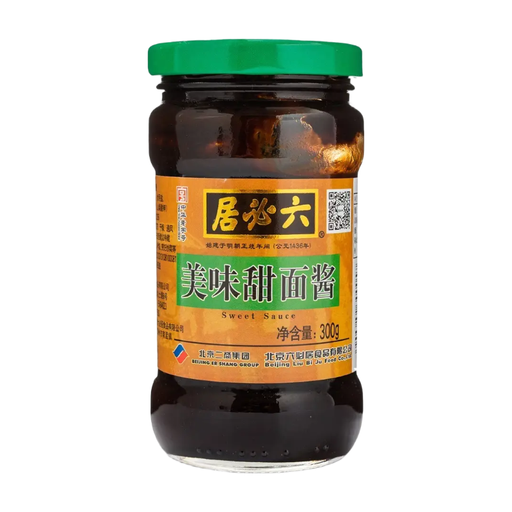
Why This Fits Their Persona: For those looking to recreate authentic Chinese dishes like Peking duck or Zha Jiang Mian, this sauce is a non-negotiable pantry staple. It provides the foundational sweet-savoury flavour that is difficult to replicate.
This product avoids the "authentic flavour illusion" by using wheat flour as a primary ingredient, following the traditional method for making Tian Mian Jiang. The flavour is complex and fermented, not just sugary.
A rich, savoury and slightly sweet profile. It is highly versatile for use as a condiment, in stir-fries or as a base for other Chinese cooking sauces.
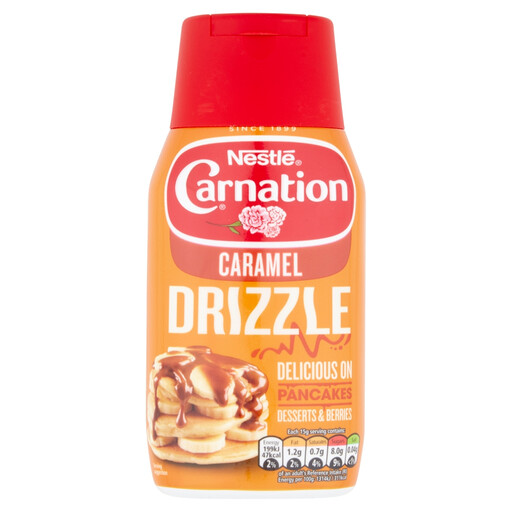
Why This Fits Their Persona: Ideal for busy households, this caramel sauce is a quick and easy way to elevate desserts. It's perfect for drizzling over ice cream, pancakes or fruit, making it a crowd-pleasing dessert topping for all ages.
With a simple ingredient list led by caramelised sweetened condensed milk, this sauce avoids being a "one-trick pony". Its rich flavour and smooth texture make it suitable for drizzling, dipping or even as an ingredient in baking.
Made from simple, recognisable ingredients for a rich, creamy caramel flavour. The squeezy bottle design makes it easy and mess-free to use.
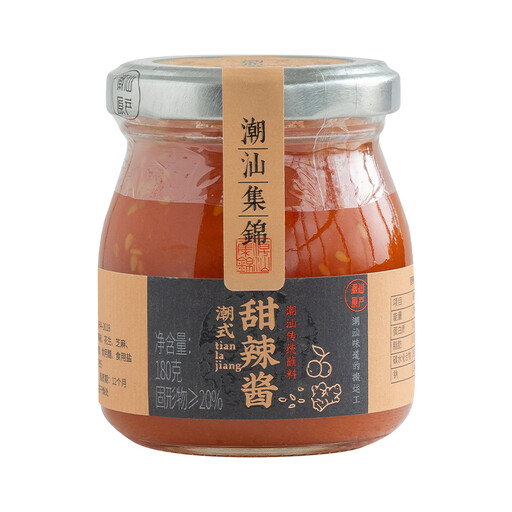
Why This Fits Their Persona: This is a fantastic, versatile dipping sauce for anyone who regularly serves snacks like spring rolls, dumplings or fried prawns. It offers a more sophisticated flavour than standard sweet chilli sauces, elevating simple party food.
It sidesteps the "one-dimensional flavour" trap by delivering an authentic Chaoshan-style balance of sweetness, mild savoury heat and tang from rice vinegar. It's a complex condiment, not just a sugary sauce.
Offers a harmonious balance of sweet and savoury with a mild heat. It's a versatile condiment for dipping, glazing or adding to stir-fries.
We have compiled a complete, real-time list of products that fully satisfy these strict selection criteria and UK safety regulations.
1. How should I store Asian cooking sauces like sweet bean sauce after opening? Most fermented sauces like sweet bean paste, Chu Hou paste or soybean paste have a high salt content which acts as a natural preservative. However, to maintain the quality of their flavour and prevent contamination, it is always advisable to store them in the refrigerator in a sealed container after opening. Always check the product label for specific storage instructions.
2. What is the difference between a balsamic glaze and balsamic vinegar? Balsamic vinegar is a thinner, more acidic liquid, excellent for use in salad dressings and marinades. A balsamic glaze is made by cooking down balsamic vinegar (often with added grape must) until it becomes a thick, syrupy and sweeter sauce. The glaze is designed for drizzling over dishes like caprese salad, grilled meats or even desserts as a finishing touch.
3. Can I use dessert toppings like caramel sauce in baking, or are they just for drizzling? Many dessert toppings are quite versatile. A quality caramel sauce can be swirled into brownie batter before baking, used as a layer in a trifle or warmed and mixed into a buttercream frosting. Similarly, baking sprinkles can be mixed into cookie dough or cake batter (not just sprinkled on top) to create a funfetti effect. Always consider the sugar content and consistency when incorporating them into a recipe.