
24/7 Customer Support

Free returns

Same-day & Next-day Delivery

Quality Guaranteed

Unlock Your Welcome Offers: FREE Delivery | Up to 80% OFF | Free 30-day JoyPlus trial
Download the APP
A well-chosen sauce can transform a simple meal into something memorable. But with supermarket shelves groaning under the weight of countless bottles and jars, it is easy to make a poor choice. Many cooking sauces and condiments promise authentic flavour but deliver a disappointing, overly sweet or artificial taste. This guide will help you navigate the common pitfalls and select the right sauce to elevate your home cooking, whether you are whipping up a quick weeknight dinner or exploring complex world food sauces.
As the Joybuy Product Recommendation Officer, my role is to help you see past the marketing noise. Let's look at the frequent traps that lead to wasted money and bland meals.
gochujang will lead to a disappointing result.soy sauce almost always contains wheat, making it unsuitable for a gluten-free diet. Creamy curry sauce varieties can contain milk, and many Asian condiments use fish or shellfish as a base, posing a problem for those seeking vegan sauces.To ensure you are getting a product that delivers on its promise, focus on these key parameters.
The order of ingredients tells you everything. The main components should appear first. For a quality pasta sauce, you want to see tomatoes at the top of the list, not water or sugar. For a good soy sauce, soybeans should be a primary ingredient. Be cautious if sugar or syrup is one of the first two ingredients, as this often indicates a less authentic, overly sweetened product. Always check the allergens section, which will be highlighted in bold, for common ingredients like WHEAT, SOYBEANS, MILK, NUTS or MUSTARD. This is the most reliable way to find a suitable gluten-free soy sauce or other free-from options.
Understand the specific flavour profile you need. A Mexican-style hot sauce made with arbol and piquin peppers offers a different kind of heat and flavour to a Caribbean sauce based on Scotch Bonnets. A Japanese soy sauce has a different character from a Chinese mushroom-infused one. If you are cooking a specific dish, seek out the condiment designed for it. This is especially true for world food sauces like gochujang for Korean food or a concentrated curry sauce for a Chinese-style takeaway dish at home.
Check if you are buying a ready-to-use sauce or a concentrate.
Here are a few recommendations from our catalogue, matched to different types of home cooks in the UK.
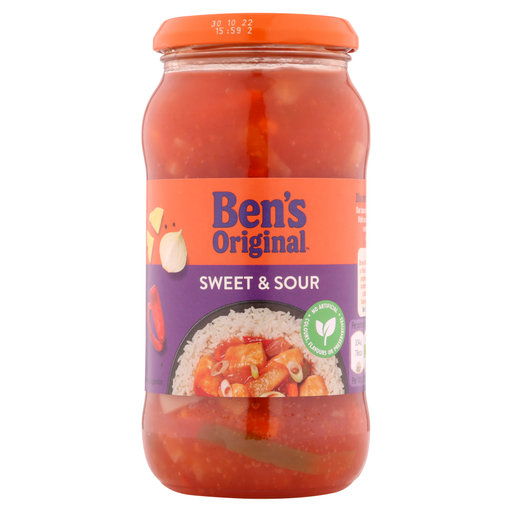
Why This Fits Their Persona: This user needs a quick, reliable and family-pleasing meal solution after a long day. This ready-to-use sauce turns simple chicken or tofu into a complete meal in minutes, removing the stress from dinner time.
It avoids the "authentic flavour" illusion by using a clean ingredient list with no artificial colours or flavours. It contains recognisable vegetables like bamboo shoots, carrots and peppers for texture.
Extremely convenient, with a 5-minute simmer time. One jar is portioned to serve four, making it ideal for families.
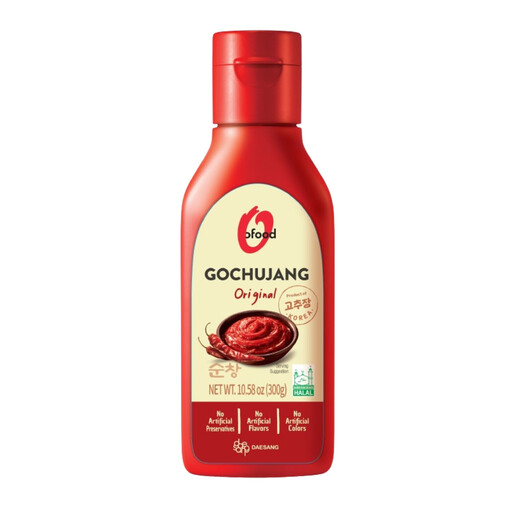
Why This Fits Their Persona: This home cook is passionate about recreating genuine international dishes. They need specific, foundational ingredients like gochujang to get the true taste of Korean recipes like bibimbap or spicy stews.
It sidesteps the "all-purpose" trap by being a highly specific condiment. It is not a generic hot sauce; it is a fermented paste with a unique savoury, spicy and slightly sweet profile essential for Korean cuisine.
Provides the iconic, complex flavour of Korean gochujang. It is a versatile base for marinades, dipping sauces and stews.

Why This Fits Their Persona: This user needs to avoid gluten for health reasons but does not want to compromise on the essential umami flavour that soy sauce brings to so many dishes. They are actively seeking reliable free-from alternatives.
This product directly solves the "hidden allergens" pitfall. It is explicitly formulated as a gluten-free soy sauce, removing the wheat that is standard in most other soy sauces and a major issue for those with coeliac disease.
Delivers a rich, savoury umami flavour suitable for dipping, marinating and cooking, allowing those on a gluten-free diet to enjoy Asian-inspired cuisine without worry.
We have compiled a complete, real-time list of products that fully satisfy these strict selection criteria and UK safety regulations.
This varies significantly by product. Always check the packaging for specific advice. As a general rule, fresh sauces with lower salt and vinegar content, like a pasta sauce, should be refrigerated and used within 3-5 days. Condiments with high salt, sugar or vinegar content, such as soy sauce, hot sauce or BBQ sauce, can last for several weeks or even months in the fridge.
Light soy sauce is thinner, saltier and lighter in colour. It is primarily used for seasoning during cooking or as a dipping sauce, where it adds saltiness without significantly altering the colour of the dish. Dark soy sauce is aged longer, often with molasses or caramel, making it thicker, darker and less salty but with a richer, more complex flavour. Its main purpose is to add a deep colour and subtle sweetness to stews, braises and marinades.
Certainly. A good quality tomato-based sauce, such as a Bolognese or marinara, is a highly versatile kitchen staple. It can be used as a base for a chicken or aubergine parmigiana, a flavourful liquid for a casserole or stew, a topping for homemade pizzas or even as the foundation for a hearty shakshuka.