
24/7 Customer Support

Free returns

Same-day & Next-day Delivery

Quality Guaranteed

Unlock Your Welcome Offers: FREE Delivery | Up to 80% OFF | Free 30-day JoyPlus trial
Download the APP
Exploring world cooking sauces can transform a simple home-cooked meal into a global culinary adventure. Yet, when you try to buy condiments online in the UK, the sheer variety can be overwhelming. It's easy to end up with a pantry full of bottles that promise authentic flavour but deliver a bland or overly salty disappointment. As the Joybuy Product Recommendation Officer, my role is to help you navigate the options and find the right flavours for your kitchen. Here are the common pitfalls to watch for and how to choose wisely.
Many of us have been there: you buy a sauce for a specific recipe, only to find it tastes nothing like you expected. This often comes down to a few common issues hidden behind appealing labels.
To ensure you get a product that delivers on its promise, focus on these three key parameters.
The foundation of any sauce determines its character. A sauce built on fermented Chinese condiments like soybeans will offer a deep, salty umami, ideal for braising. In contrast, a spicy chilli sauce based on oil and peppers provides heat and richness. Understanding the base helps you match the sauce to your dish. Look for specific ingredients like "fermented soybeans," "smoked shrimp powder" or "red wine vinegar" high up on the ingredient list, as this indicates they are primary flavour drivers, not just additives.
A sauce's consistency and salt content are key indicators of its purpose.
Check the packaging for terms like "ready to eat" versus "cooking required" to understand how the product should be used.
Always check the full ingredient and allergen list. In the UK, allergens like soy, wheat (gluten), crustaceans and mustard must be clearly declared. If you are looking for vegetarian sauces, look for explicit "vegetarian" or "vegan" certification on the packaging. Also, be aware of flavour enhancers like Monosodium Glutamate (E621). While perfectly safe for most, some people prefer to avoid it, so it is worth checking the label if this is a concern for you.
To help you choose, we have matched some popular options to different home cook profiles.
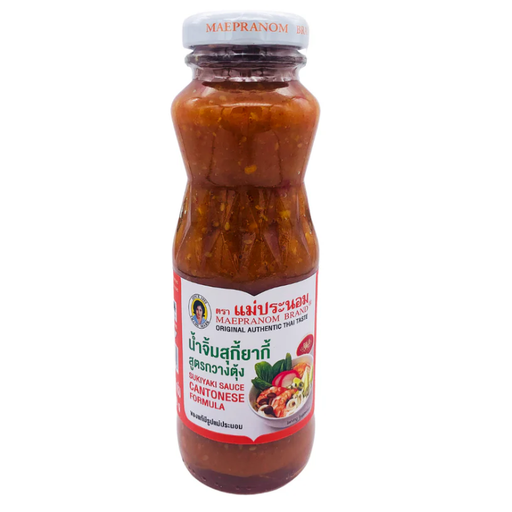
Why This Fits Their Persona: Ideal for the home cook wanting to recreate an authentic Japanese sukiyaki or Chinese hot pot experience without starting from scratch. It provides the classic sweet and savoury broth flavour that is the hallmark of Cantonese-style hot pot.
This product avoids the "vague concentrate" trap. It is explicitly labelled as a sukiyaki sauce, a type of hot pot soup base, and instructions guide the user to dilute it, clarifying its intended purpose.
Its primary advantage is providing a balanced, classic flavour profile for sukiyaki. It is also versatile enough to be used as a base for stir-fried noodles.
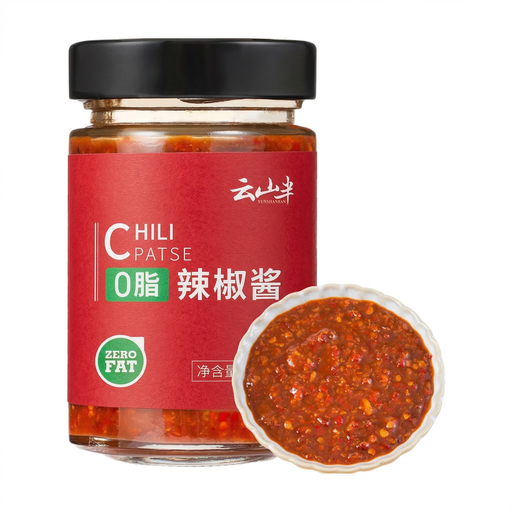
Why This Fits Their Persona: Perfect for anyone who loves a spicy kick but is carefully monitoring their fat intake. This sauce adds vibrant flavour to meals without the oil content found in many other chilli condiments.
It directly counters the "inauthentic ingredients" trap. The ingredient list is short and natural (chilli, garlic, salt, sesame and vinegar), and its zero-fat claim is a clear, verifiable feature, not just marketing fluff.
The main benefit is its 0g fat content, making it a standout choice among spicy chilli sauce options. It also contains no added preservatives, appealing to health-conscious consumers.
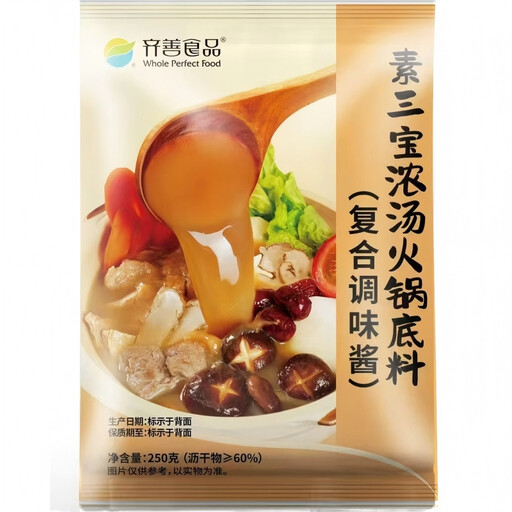
Why This Fits Their Persona: This is for the vegetarian or vegan who doesn't want to miss out on the rich, communal experience of hot pot. It provides a deeply savoury broth base without any animal products.
It squarely addresses the "hidden allergen/dietary mismatch" trap. The product is clearly positioned as a 100% plant-based vegan recipe, giving those searching for vegetarian sauces complete confidence.
The use of three different mushrooms creates a natural, complex umami flavour that rivals traditional meat-based broths. It is also versatile for use in noodle soups and stews.
We have compiled a complete, real-time list of products that fully satisfy these strict selection criteria and UK safety regulations.
1. How long do world cooking sauces last once opened? This varies significantly. Sauces with a high acid (vinegar) or salt content, like many salad dressings or soy-based condiments, can last for several weeks or even months in the refrigerator. Oil-based or creamy sauces have a shorter shelf life. Always refer to the product label for specific storage instructions, such as "refrigerate after opening and consume within 4 weeks."
2. Can I use a stir-fry sauce as a dipping sauce? While some sauces are multi-purpose, it is generally not recommended. Most stir-fry sauce products are highly concentrated in salt and flavour, designed to be diluted by the other ingredients in a wok. Using them directly as dipping sauces can be unpleasantly strong. For dipping, it is better to choose a product specifically labelled for that purpose or to dilute a stir-fry sauce with a little water, broth or sesame oil.
3. What is the difference between Shacha sauce and Satay sauce? Although they can look similar and are sometimes both translated as "satay," they are distinct. Taiwanese Shacha sauce (like the Niu Tou brand) has a savoury, umami-rich flavour from ingredients like dried shrimp, shallots and garlic, with a slightly gritty texture. It is a complex condiment used in soups, stir-fries and as a dip. Southeast Asian Satay sauce is typically smoother, sweeter and creamier, with a more pronounced peanut and coconut flavour and is most famously served with grilled skewers.