
24/7 Customer Support

Free returns

Same-day & Next-day Delivery

Quality Guaranteed

Unlock Your Welcome Offers: FREE Delivery | Up to 80% OFF | Free 30-day JoyPlus trial
Download the APP
A well-stocked pantry is the foundation of any great home-cooked meal, and the right cooking sauces and condiments can transform simple ingredients into something special. Yet, the supermarket aisle presents a dizzying array of choices, from everyday ketchup to specialist Asian cooking sauces. Navigating this landscape can be tricky, and it is easy to end up with a cupboard full of bottles that do not deliver on their promise.
As the Joybuy Product Recommendation Officer, my role is to help you see past the marketing clutter. Before you fill your basket, let’s look at a few common pitfalls that lead to disappointing meals and wasted money.
To ensure you are choosing sauces that will genuinely elevate your cooking, focus on these key factors rather than just the claims on the front of the bottle.
The ingredients list is your most reliable source of information. Look for products where the primary ingredient is what you expect it to be—tomatoes in ketchup, or soybeans in soy sauce. A high placement of water, sugar or modified corn starch can be a sign of a lower-quality, diluted product. This is especially important when searching for pantry staples UK home cooks rely on. For those with specific dietary needs, this is also where you can verify if a product is a true vegan sauce and free from hidden animal-derived ingredients.
Different sauces have distinct roles. This is particularly true for world food ingredients.
Always check the label for clear allergen warnings, such as gluten, soy, nuts or mustard. Reputable brands will list these clearly. If you are looking for vegan sauces, look for explicit certification or check that ingredients like fish sauce, oyster extract or egg have been replaced with plant-based alternatives, such as mushroom extract or soybean protein.
Instead of a generic list, we have matched some standout products to the cooks who will appreciate them most.

Why This Fits Their Persona: For the home cook looking to create authentic-tasting Chinese dishes, this is a non-negotiable pantry staple. It is perfect for making rich, glossy sauces for red-braised pork or adding depth to marinades and stews.
This directly solves the "soy sauce mix-up." It is specifically designed for adding colour and a mild sweetness, not just salt, ensuring your dishes look and taste as they should.
It provides a characteristic caramel colour and a richer, less salty flavour than light soy sauce, which is essential for many braised dishes and marinades.
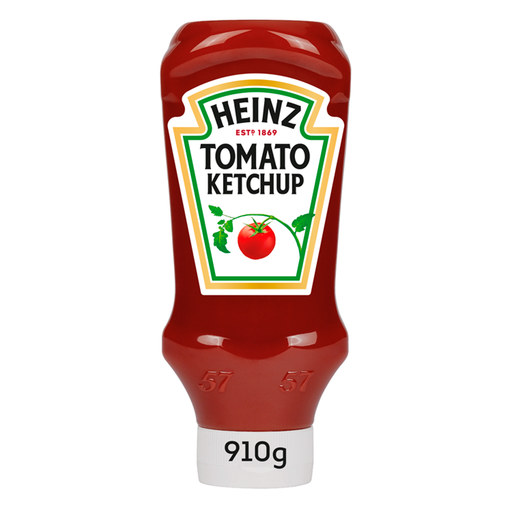
Why This Fits Their Persona: For family meals, a reliable and well-loved ketchup is essential. This large, top-down squeezy bottle is practical for households that get through a lot of it, minimising mess and waste.
It avoids the "inauthentic flavour" trap by using a high concentration of tomatoes (148g per 100g of ketchup) and no artificial colours, flavours or thickeners, delivering a taste that comes from its core ingredients.
The classic, unmistakable taste is a family favourite, and the large 910g top-down bottle with a stay-clean cap is designed for convenience and frequent use.
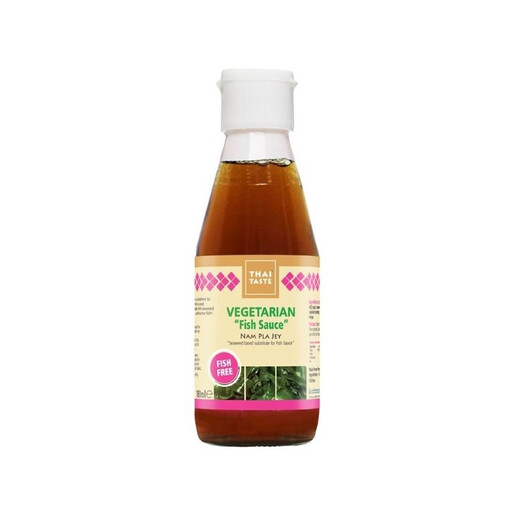
Why This Fits Their Persona: For anyone cooking plant-based Thai or Vietnamese food, replicating the deep, savoury umami of fish sauce is a major challenge. This product is the solution, providing that essential flavour profile without any animal products.
This is a purpose-built vegan sauce that transparently declares its ingredients. It avoids the trap of sauces that contain hidden animal derivatives by using soybean protein to create its signature pungent, salty flavour.
It successfully captures the essential umami flavour needed for authentic-tasting Southeast Asian dishes, making it a vital dipping sauce base and seasoning for vegan cooks.
We have compiled a complete, real-time list of products that fully satisfy these strict selection criteria and UK safety regulations.
The primary difference is their function in cooking. Light soy sauce is saltier and thinner, used for seasoning dishes like stir-fries and soups to add umami without significantly changing the colour. Dark soy sauce is thicker, less salty and slightly sweet. It is used sparingly to add a rich, dark colour to dishes like braised meats, stews and noodle sauces. Having both is key for versatile Asian cooking.
This varies greatly. Always check the packaging for specific storage instructions. As a general rule, high-acid or high-salt condiments like soy sauce or vinegar-based sauces can last for many months in a cool, dark place. Creamy sauces like mayonnaise or salad cream must be refrigerated and typically should be used within 4-12 weeks. Sauces with fresh ingredients like some dipping sauces or pestos have the shortest shelf life.
Yes, the availability of high-quality vegan sauces has improved significantly. Many brands now offer excellent plant-based versions of staples that traditionally contain animal products. You can find vegetarian 'oyster' sauce made from mushrooms, vegan 'fish' sauce made from soybean protein and creamy sriracha mayo made without eggs. Always check the ingredients list to ensure it meets your dietary requirements.