
24/7 Customer Support

Free returns

Same-day & Next-day Delivery

Quality Guaranteed

Unlock Your Welcome Offers: FREE Delivery | Up to 80% OFF | Free 30-day JoyPlus trial
Download the APP
A well-stocked pantry of cooking sauces and seasonings can transform a simple meal into something truly memorable. Whether you're aiming to recreate an authentic dish from your travels or simply want to liven up your midweek dinners, the right sauce is key. However, the aisles are filled with options, and it's easy to end up with a cupboard full of half-used jars that didn't quite deliver on their promise. As a Joybuy Product Recommendation Officer, my role is to help you navigate the market and choose with confidence.
Many home cooks in the UK fall into a few common traps when buying world food condiments. Understanding these pitfalls is the first step to making better choices.
To avoid these issues, focus on a few core parameters. A quick check of the label can tell you almost everything you need to know about the quality and suitability of a sauce.
The ingredient list is your most reliable guide to flavour. For Asian cooking sauces, look for specific, high-quality ingredients. A good Sichuan sauce, for instance, might list broad bean paste (doubanjiang) or specific types of chillies. A Japanese sauce might specify a type of soy sauce or mirin. The country of origin can also be an indicator, suggesting that the recipe is closer to its traditional roots. Don't just look for a country; look for a brand with a heritage in producing authentic seasonings.
Consider how you plan to use the sauce. A thin, liquid seasoning is ideal for soups or as a general umami booster. A thick, glossy sauce is designed for glazing and grilling, creating a caramelised coating. A rich, oily condiment with solids, like a chilli crisp or mushroom sauce, is perfect for spooning over dishes as a finisher.
Checking the intended use on the packaging helps ensure the product will perform as you expect, whether you're making a quick sauce for noodles or a slow-cooked stew.
Instead of a generic list, we've matched some standout options to different types of home cooks.
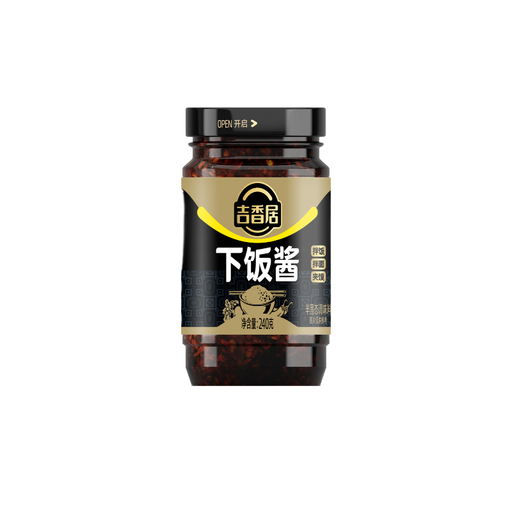
Why This Fits Their Persona: This user wants maximum flavour and versatility without buying five different bottles. This single jar serves as a condiment for rice, a flavour base for noodles, a dipping sauce and a starter for a quick stir-fry, making it an excellent all-rounder.
It directly counters the "one-trick pony" problem with its multi-use design. Its authentic Sichuan flavour profile, with chilli and broad bean paste, avoids the overly sweet, Westernised taste trap.
Highly versatile for multiple dishes. Delivers a genuine, rich and spicy Sichuan flavour that is appetising and bold.
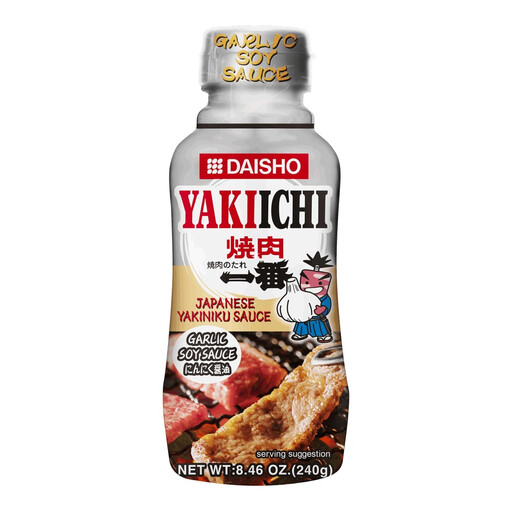
Why This Fits Their Persona: This person loves the experience of grilling and wants to replicate the specific sweet and savoury glaze of Japanese Yakiniku restaurants. They appreciate a specialised sauce that performs its function perfectly.
This is a purpose-built Japanese BBQ sauce, not a generic "teriyaki" or "BBQ" sauce. Its thick texture is designed for glazing, avoiding the pitfall of a thin sauce that just runs off the meat during cooking.
Creates a thick, glossy, caramelised coating on grilled food. Offers a balanced sweet and savoury flavour with a distinct garlic aroma.
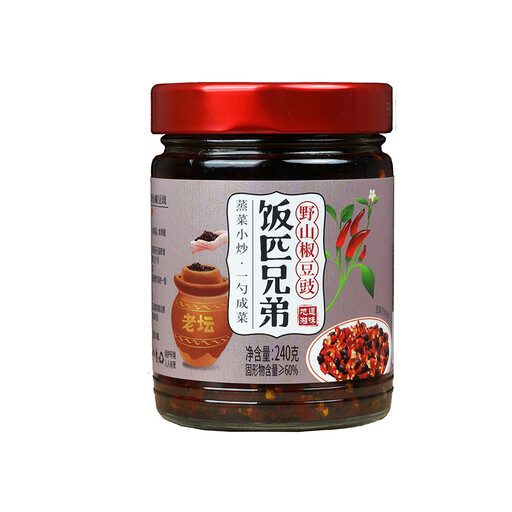
Why This Fits Their Persona: This cook is not looking for an everyday sauce. They are specifically seeking the bold, pungent and complex flavours of regional Chinese cuisine, in this case, Hunan-style. They value authenticity over mass appeal.
It completely sidesteps the "muted flavour" trap. The use of wild mountain chili and fermented black beans (douchi) as primary ingredients guarantees a potent, savoury and spicy experience true to its origins.
Delivers an intense and authentic Hunan-style flavour. The combination of wild pepper spice and fermented black bean umami is complex and appetite-stimulating.
We have compiled a complete, real-time list of products that fully satisfy these strict selection criteria and UK safety regulations.
Once opened, most shelf-stable cooking sauces should be refrigerated. Always check the packaging for specific storage instructions. As a general rule, sauces with high vinegar, salt, or sugar content last longer. For best flavour and safety, aim to use most sauces within 4-6 weeks of opening. Oily condiments like chilli oil can last longer, but watch for any changes in smell or appearance.
You can, but with some considerations. A stir-fry sauce is often thicker and may have a higher sugar content, which can burn during prolonged cooking like grilling or roasting. If you use it as a marinade, it's better for shorter marinating times (30 minutes to a few hours). For longer marinating, you might be better off with a purpose-made, thinner marinade or diluting the stir-fry sauce with a little water, soy sauce or oil.
This is a common point of confusion. A traditional Chinese chilli oil is primarily an oil that has been infused with chillies and spices like star anise and Sichuan peppercorns. The solids are usually strained out or are minimal. A chilli crisp, on the other hand, is all about the texture. It contains a large volume of crispy, fried ingredients like chillies, garlic, onions, soybeans or peanuts suspended in the oil. Chilli oil provides smooth heat, while chilli crisp provides heat and a crunchy texture.