
24/7 Customer Support

Free returns

Same-day & Next-day Delivery

Quality Guaranteed

Unlock Your Welcome Offers: FREE Delivery | Up to 80% OFF | Free 30-day JoyPlus trial
Download the APP
A well-stocked spice rack is the secret to transforming simple ingredients into memorable meals. Yet, the aisle for cooking seasonings & spices can be a confusing place. With countless blends promising "authentic" taste and "all-in-one" convenience, it's easy to end up with a cupboard full of jars that deliver little more than salt and disappointment. As a Joybuy Product Recommendation Officer, my role is to help you navigate the options and find seasonings that genuinely elevate your cooking.
Before you add another jar to your basket, let's look at a few common pitfalls that lead to wasted money and bland food.
To ensure you're buying quality and flavour, focus on these three practical checks. They will help you choose the right seasonings for everything from a quick weekday dinner to an adventurous weekend feast.
The front of the package tells you what the brand wants you to think; the back tells you the facts.
Not all seasonings are created equal. Understanding the format helps you get the results you want.
Many pre-made blends are surprisingly high in salt and sugar. To make a fair comparison, look at the "per 100g" column on the nutritional information table. A seasoning with 40g of salt per 100g is 40% salt by weight. This doesn't mean you should avoid it, but it does mean you should use it sparingly and adjust the other salt in your recipe accordingly.
To help you choose, we've matched a few standout products from our collection to different types of home cooks.
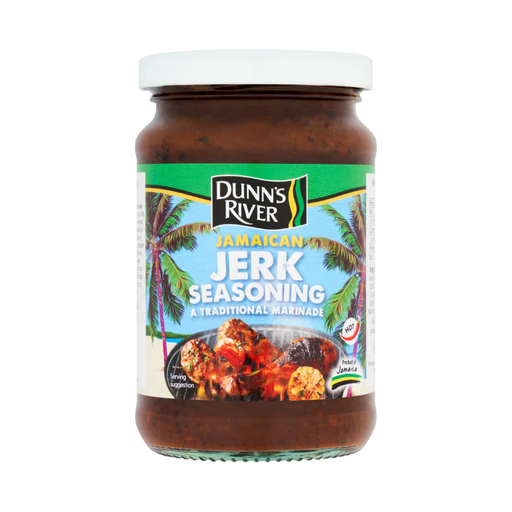
Why This Fits Their Persona: This is for the cook who loves bold, smoky and spicy flavours. It's a classic choice in the UK for marinating chicken, pork or fish before it hits the grill, delivering that signature Caribbean taste built around pimento and Scotch bonnet peppers.
It avoids the "vague all-purpose" trap by being a highly specific and potent Jamaican jerk seasoning. Its flavour profile is distinct and purpose-built for a specific style of cooking, not a generic blend.
Delivers a robust, smoky and spicy flavour profile. The 300g jar is great value for those who use it regularly for summer barbecues or roasts.
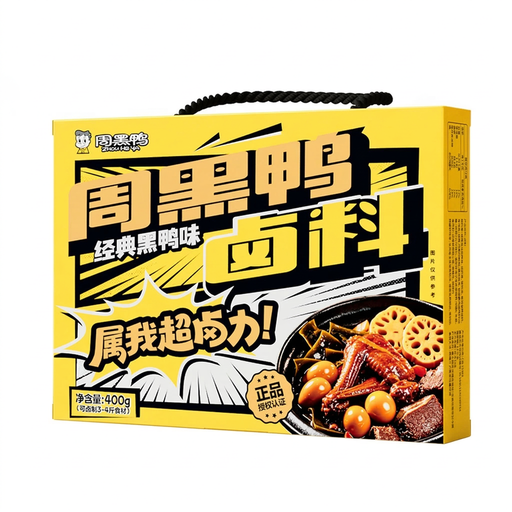
Why This Fits Their Persona: For the cook eager to recreate authentic international dishes at home. This isn't a generic powder; it's a complete spice packet designed to replicate the famous numbing, spicy and savoury flavour of Zhou Hei Ya braised snacks from China.
This directly counters the "fake authentic" trap. It provides a curated blend of over ten whole and ground spices, including star anise and Sichuan pepper, for a specific regional Chinese spice mix, not just a generic stir-fry powder.
Offers a convenient way to achieve a complex and authentic flavour profile without needing to source over ten individual spices. It's a complete solution for a specific dish.
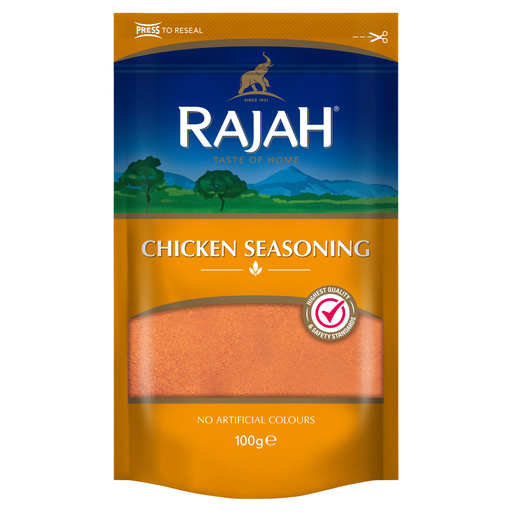
Why This Fits Their Persona: Perfect for someone who needs a reliable, quick flavour boost for the most common weeknight protein: chicken. This blend takes the guesswork out of seasoning, providing a balanced, savoury flavour that works for roasting, grilling or even adding to a simple curry.
While it is a convenient blend, it avoids the "bland all-purpose" trap by being specifically balanced for poultry, with paprika, chilli and black pepper providing a more complex flavour than a simple salt and garlic mix.
A highly convenient and consistent chicken seasoning. The blend of paprika, chilli and onion provides a well-rounded, savoury flavour that enhances chicken without overpowering it.
We have compiled a complete, real-time list of products that fully satisfy these strict selection criteria and UK safety regulations.
1. How long do cooking seasonings and spices really last? The potency of spices degrades over time. As a general rule, whole spices (like peppercorns or cloves) will stay fresh for up to 2-3 years, while ground spices and dried herbs are at their peak for about 6-12 months. To maximise their lifespan, store them in airtight containers in a cool, dark place away from the heat and steam of your cooker.
2. What is the difference between a dry spice rub and a marinade? A dry spice rub is a blend of ground spices and herbs that you rub directly onto the surface of food before cooking. It's designed to create a flavourful crust. A marinade is a liquid mixture, usually containing an acid (like vinegar or citrus), oil and seasonings. Food is soaked in the marinade to both tenderise it and infuse it with flavour from the inside out.
3. Can I use a seasoning labelled for chicken on other things? Absolutely. While a chicken seasoning is balanced to complement poultry, its savoury blend of herbs and spices often works very well on roasted vegetables, pork or even sprinkled over chips. The key is to experiment. However, for a very specific flavour profile like a fajita mix or tandoori masala, it's usually better to stick to its intended use for the most authentic result.