
24/7 Customer Support

Free returns

Same-day & Next-day Delivery

Quality Guaranteed

Unlock Your Welcome Offers: FREE Delivery | Up to 80% OFF | Free 30-day JoyPlus trial
Download the APP
A splash of the right cooking vinegar can transform a dish, adding a bright acidity or a deep, complex tang that lifts every other flavour. Yet, the vinegar aisle can be a confusing place. With labels boasting "aged," "organic" or "brewed," it's easy to grab a bottle that looks the part but ends up ruining your intended recipe. Many home cooks find themselves with a pantry full of vinegars that either taste flat or completely overpower their food.
As the Joybuy Product Recommendation Officer, my role is to help you navigate these choices. We'll look past the marketing buzz and focus on what truly matters for your cooking. Let's break down the common pitfalls to avoid and the key factors to check, ensuring your next bottle of vinegar is a perfect match for your kitchen.
Before you add a bottle to your basket, be aware of these frequent misunderstandings that can lead to a disappointing purchase:
To make a confident choice, focus on these three non-negotiable parameters.
The foundation of any vinegar's flavour is what it's made from.
Always check the label for two key details: the acidity percentage and the ingredients list. Most cooking vinegars have an acidity of 4-6%. A higher percentage will taste sharper. More importantly, inspect the ingredients. A short list, such as "Water, Rice, Salt," often points to a purer product. Longer lists with added sugars, flavour enhancers or colourings indicate a more processed flavour profile that may not be what you're looking for.
For certain traditional products, a Protected Geographical Indication (PGI) is a mark of authenticity and quality. This legal protection ensures the product is made in a specific region using time-honoured methods. Zhenjiang vinegar is a prime example; its PGI status guarantees it was produced in Zhenjiang, China, according to strict standards, ensuring its characteristic flavour.
Here are a few recommendations matched to different cooking styles and needs, helping you find the right fit for your pantry.

Why This Fits Their Persona: This is the quintessential Chinese black vinegar for anyone serious about recreating authentic dishes like braised pork belly, sweet and sour ribs or a proper dumpling dipping sauce. Its complexity is hard to replicate.
It avoids the "wrong rice vinegar" trap by being the specific, authentic Zhenjiang vinegar many recipes call for. Its PGI status confirms its traditional production, not an "aged-look" from added colour.
Protected Geographical Indication (PGI) product. Rich, mellow and complex flavour from traditional solid-state fermentation.
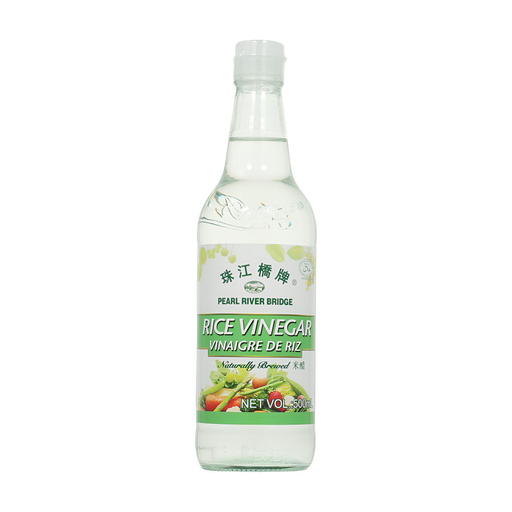
Why This Fits Their Persona: For the home cook who needs one reliable bottle for multiple uses, from quick-pickling onions to making a simple salad dressing or adding a splash of acidity to a stir-fry. It's a true kitchen workhorse.
Its simple ingredient list (water, rice, salt) avoids the pitfall of hidden additives. It is clearly a mild, white rice vinegar, preventing confusion with darker, more specialised types.
Clean, crisp and mild flavour that complements without overpowering. Highly versatile for pickling, dressings and general cooking.
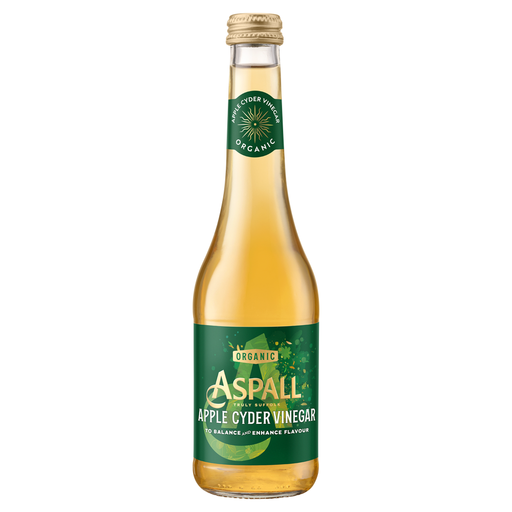
Why This Fits Their Persona: Ideal for those who prioritise organic ingredients in their diet. This apple cider vinegar is perfect for creating vibrant salad dressings, adding a bright burst to stews or mixing into morning wellness drinks.
It sidesteps the "organic halo" trap by delivering genuine value through its certified organic status and pure apple base, rather than relying on the label alone. Its purpose as a cyder vinegar is clear.
Certified organic ingredients. Provides a bright, fruity tang that is excellent for dressings, marinades and adding to beverages.
We have compiled a complete, real-time list of products that fully satisfy these strict selection criteria and UK safety regulations.
"Rice vinegar" is a broad category. White rice vinegar, common in Japanese and general Asian cooking, is typically clear, mild and sharp, made from fermented rice. Chinese black vinegar, such as Zhenjiang vinegar, is a specific type made from glutinous rice, wheat bran and sometimes other grains. It is aged for a considerable time, which gives it a dark colour and a complex, malty and slightly sweet flavour that is much richer than standard white rice vinegar.
While most vinegars can be used for pickling due to their acidity, the type you choose will significantly impact the final flavour and appearance. A simple white vinegar for cooking or a standard rice vinegar offers a clean, neutral acidity that allows the flavour of the vegetables to shine through. Apple cider vinegar will impart a fruity note. Using a dark, aged vinegar like balsamic or Zhenjiang vinegar is not typical for pickling, as it would add a strong, malty flavour and dark colour to the pickled items.
For optimal quality, all vinegars should be stored in a cool, dark place away from direct sunlight and heat sources like your cooker. Always ensure the cap is sealed tightly after use to prevent oxidation, which can degrade the flavour over time. While refrigeration is not usually necessary for most pasteurised vinegars, it can help preserve the delicate flavours of unpasteurised or speciality vinegars, such as some organic apple cider varieties, after they have been opened.