
24/7 Customer Support

Free returns

Same-day & Next-day Delivery

Quality Guaranteed

Unlock Your Welcome Offers: FREE Delivery | Up to 80% OFF | Free 30-day JoyPlus trial
Download the APP
A quick glance at the supermarket aisle reveals a bewildering array of cooking vinegars. From dark, syrupy balsamics to clear, sharp rice vinegars, the choice can be overwhelming. For the home cook in the UK, navigating this selection is key to elevating dishes from ordinary to exceptional. Yet, it is easy to fall into common traps, purchasing a bottle that ends up gathering dust or, worse, ruining a carefully prepared meal.
As a Joybuy Product Recommendation Officer, my role is to help you see past the marketing jargon. Let's look at the most frequent pitfalls and how to select a vinegar that genuinely suits your culinary needs.
Before adding a bottle to your basket, focus on these three non-negotiable factors. They will tell you more about the product's quality and suitability than any marketing slogan.
The foundation of any vinegar's flavour is what it's made from. This single factor dictates its primary character:
The total acidity, usually stated on the label as a percentage (typically 4-7%), determines the vinegar's "bite." A lower acidity (around 4-5%) is generally smoother and better suited for dressings or as a dipping vinegar. A higher acidity is more effective for pickling and food preservation. For specific tasks, look for specialised products like sushi vinegar, which is pre-seasoned with the correct balance of salt and sugar to simplify your preparation.
Always read the ingredients list. A pure vinegar will contain very few ingredients, often just water and its fermented base (e.g., "Water, Rice, Salt"). These offer a clean, unadulterated flavour. In contrast, a seasoned vinegar will include sugar, salt and sometimes flavour enhancers like MSG. While convenient for specific uses like making sushi, if you want control over your dish's final flavour, starting with a pure, unseasoned vinegar is often the better approach.
To help you choose, we have matched some excellent options to different types of home cooks.
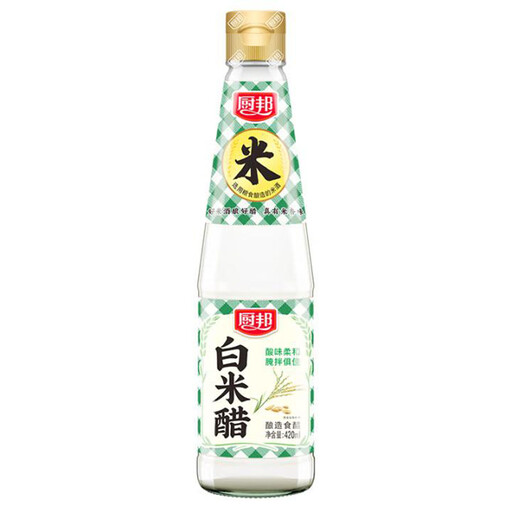
Why This Fits Their Persona: This is an ideal starting point for anyone building a pantry for Asian cooking. It's a versatile workhorse for making quick pickles, salad dressings, or adding a clean acidic note to stir-fries without a hefty price tag.
It avoids the "added sugar" trap with a simple, pure ingredient list: water, rice and salt. You get a clean flavour that you can build upon, rather than a pre-sweetened product.
Its mild, clear sourness makes it highly versatile for a range of Chinese and Southeast Asian dishes without overpowering other ingredients.

Why This Fits Their Persona: For anyone serious about making authentic Chinese food, especially dumplings or braised dishes, this is a must-have. Its complex, malty flavour is irreplaceable and provides the genuine taste of the region.
This product directly counters the "misleading labels" trap. It is a genuine Protected Geographical Indication (PGI) product, ensuring it comes from Zhenjiang and is made using traditional methods.
Its rich, mellow acidity and complex aroma come from natural, solid-state fermentation of glutinous rice. It is the definitive dipping vinegar for dumplings.
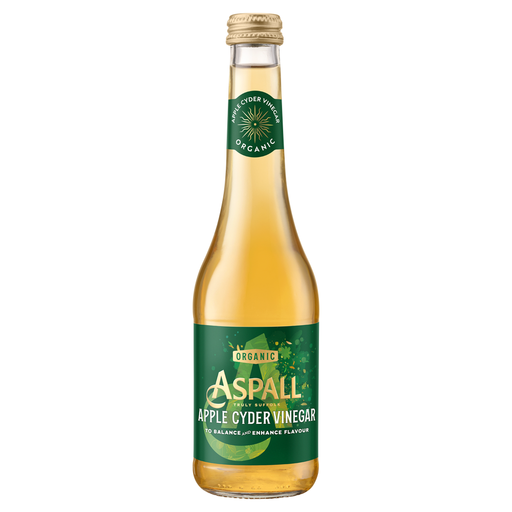
Why This Fits Their Persona: This user prioritises clean, organic ingredients. This UK-produced apple cider vinegar is perfect for making vibrant salad dressings, adding a bright note to stews, or incorporating into a daily wellness routine.
As a certified organic vinegar, it guarantees the absence of synthetic pesticides and additives. Its flavour is purely derived from organic apples, avoiding the need for artificial enhancements.
It is a dependable, high-quality staple from a Suffolk-based producer. Its bright, clean taste is versatile enough for both cooking and daily consumption.
We have compiled a complete, real-time list of products that fully satisfy these strict selection criteria and UK safety regulations.
White rice vinegar is a pure vinegar made from fermented rice, offering a clean, sharp acidity. It is a base ingredient used in a wide variety of recipes. Sushi vinegar, on the other hand, is a convenience product. It starts with rice vinegar but has sugar and salt already added in balanced proportions, making it a ready-to-use seasoning for sushi rice.
You should store Chinese black vinegar in a cool, dark place like a pantry, away from direct sunlight and heat. Always ensure the cap is tightly sealed after use. Vinegar is naturally self-preserving due to its high acidity and does not spoil in a way that becomes unsafe. However, its flavour and aroma can fade over a long period. For the best taste, it is advisable to use it within a couple of years of opening.
While you can substitute them in a pinch for some applications like a robust marinade, it is generally not recommended. Apple cider vinegar has a much stronger, fruitier flavour profile compared to the mild, clean taste of rice vinegar. Using it in delicate Asian dressings or for seasoning sushi rice would significantly alter the authentic flavour of the dish.