
24/7 Customer Support

Free returns

Same-day & Next-day Delivery

Quality Guaranteed

Unlock Your Welcome Offers: FREE Delivery | Up to 80% OFF | Free 30-day JoyPlus trial
Download the APP
Keeping your lunch fresh for the office, your drinks chilled for a picnic or your baby's milk safe on the move shouldn't be a gamble. Yet, many of us have been let down by a cool bag that promised much and delivered little. A soggy sandwich or a lukewarm drink is more than just an inconvenience; it's a sign that you may have fallen for a common design flaw or marketing overstatement.
As a Joybuy Product Recommendation Officer, my role is to help you see past the hype. Before you make a purchase, it's crucial to understand the frequent pitfalls that lead to disappointment.
cool box for camping is impractical for a daily commute, while a small insulated lunch bag is useless for a family outing.By understanding these issues, you can make a more informed choice and find a product that genuinely meets your needs.
To avoid the pitfalls, focus on the fundamental specifications that determine a cool bag's real-world performance and longevity.
The heart of any cool bag is its insulation. Not all are created equal.
cool box for camping where long-lasting cold is essential.insulated food flask, this involves a double-wall construction with the air removed from the space between them. It is highly effective for both hot and cold contents but is usually found in smaller, rigid containers.Look for details on the type of insulation used. Also, check for a leak-proof, welded liner and a tight-fitting lid or zipper to prevent cold air from escaping.
Consider how you will use the cooler most often.
insulated lunch bag or a breast milk storage bag. These are compact and easy to carry.cooler backpack. This capacity can typically hold lunch for two or a good number of drinks cans.cool box for camping territory. A 22-litre box can hold enough food and drinks for a small family for a day or a weekend, depending on how it's packed.The form factor is just as important. A soft-shell travel cool bag is lightweight and can be folded for storage. A cooler backpack offers hands-free convenience for commuters or hikers. A hard-shell portable cooler provides maximum durability and insulation for car journeys and outdoor adventures.
To help you match a product to your specific lifestyle, we've identified several options that address the common pitfalls by focusing on practical design and appropriate materials.
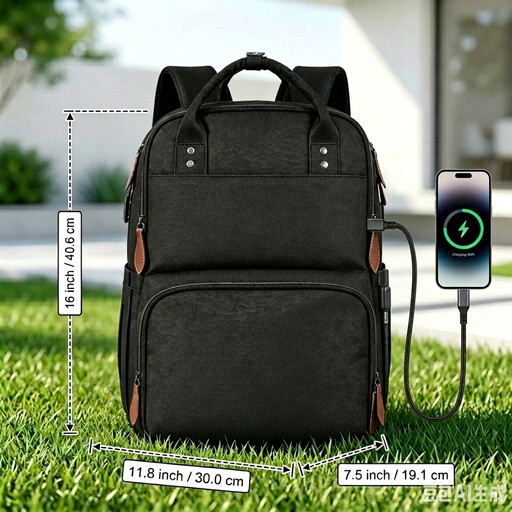
Why This Fits Their Persona: This is for the professional or student who needs to carry their lunch, laptop and daily essentials in one organised, hands-free bag. It streamlines the daily commute by combining the function of a work bag and an insulated lunch bag.
It solves the "one-size-fits-none" problem by being a purpose-built hybrid. The insulated compartment is sized for a meal, not a family picnic, ensuring efficient cooling without wasted space.
Features a separate 15.6-inch laptop compartment and a USB charging port for on-the-go convenience. The water-resistant fabric adds a layer of protection during a UK downpour.
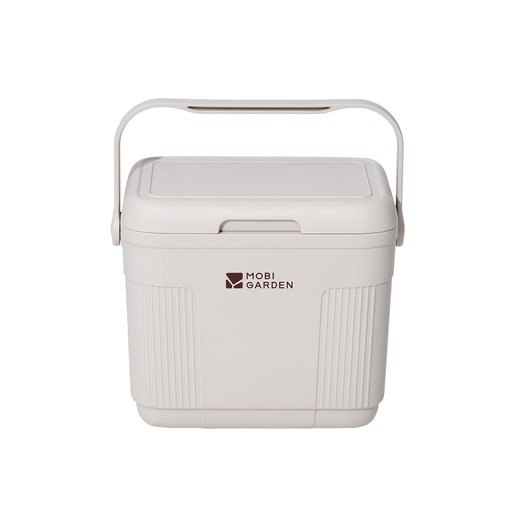
Why This Fits Their Persona: For family camping trips, fishing or long days at the beach, this hard-shell cool box is built for performance and durability. Its large capacity and robust construction are ideal for those who need reliable, long-term cooling away from home.
This cooler directly counters misleading insulation claims with its high-density PU polyurethane foam and a widened silicone gasket seal, which minimises temperature loss far more effectively than a simple fabric bag.
The shell is made from food-grade PP hard plastic, allowing fresh food to be stored directly inside. It also includes two dedicated ice boxes that fit into internal slots for extended cooling performance.
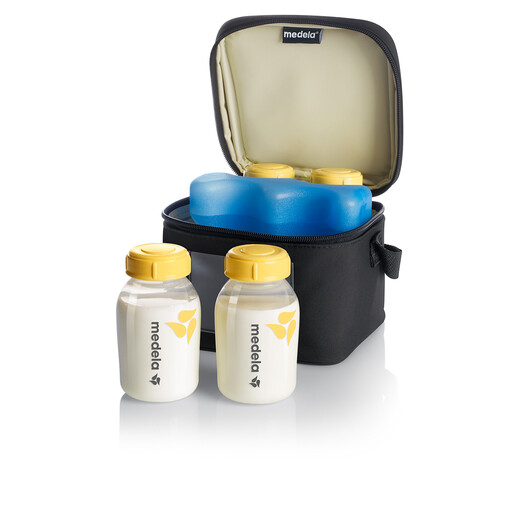
Why This Fits Their Persona: Designed specifically for transporting expressed breast milk, this compact system provides peace of mind for parents returning to work or travelling. It's a discreet, safe and complete solution for a very specific and important need.
This is the opposite of a generic, ill-fitting bag. It's a purpose-built system. The contoured ice pack is shaped to wrap around the bottles, eliminating the air gaps that reduce cooling efficiency in standard bags.
This is an all-in-one kit that includes the insulated bag, four BPA-free 150ml bottles and the custom-fit cooling element. It's ready to use and designed for safety and convenience.
We have compiled a complete, real-time list of products that fully satisfy these strict selection criteria and UK safety regulations.
This varies greatly depending on several factors: the quality of the insulation, the outside temperature, how full the bag is and how often you open it. A basic fabric insulated lunch bag might keep things cool for 2-4 hours. A high-performance hard cool box for camping, packed correctly with ice packs and pre-chilled contents, can maintain a cold temperature for 24 hours or more. For best results, always use quality ice packs and fill any empty space.
Yes. Insulation works by slowing the transfer of heat, so it resists getting warm just as it resists getting cold. A good quality cool bag can keep hot food, like a casserole or pasties, warm for several hours. For liquids like soup or stew, a purpose-built insulated food flask made from stainless steel will generally provide better performance.
The main difference is construction. A cool bag is made from flexible, soft materials, making it lightweight, portable and easy to store when empty. A cool box (or portable cooler) has a rigid plastic outer shell and inner lining. This makes it heavier and bulkier, but it offers superior insulation, greater durability against knocks and scrapes and is often easier to clean. Your choice depends on whether you prioritise portability or maximum cooling performance.