
24/7 全天候客户支持

免费退货

当日/次日达

品质保障

开启新人专享福利: 全场免邮 | 低至 2 折 | 免费试用 30 天 JoyPlus 会员
下载 Joybuy
A reliable cooler bag is an indispensable companion for everything from daily commutes to weekend camping trips. Yet, the market is flooded with options that promise the world but often fail to deliver, leading to lukewarm drinks and wasted money. Many shoppers are caught out by exaggerated claims and poor design. Before you buy, it’s crucial to understand what separates a dependable thermal bag from one that will let you down.
As a Joybuy Product Recommendation Officer, my role is to help you see past the marketing clutter. This guide will highlight the common traps to avoid and break down the essential features you need to look for, ensuring your food and drinks stay perfectly chilled.
Many cooler bags look the part but fail in practice. Here are three common issues that UK consumers frequently encounter:
To find a cooler bag that meets your needs, focus on these three core parameters instead of just the advertised cooling time.
The heart of any cooler bag is its insulation. A simple, single layer of foil lining offers minimal performance. For effective temperature control, look for a multi-layer construction. This typically includes:
A hard-shell cool box will almost always offer superior insulation compared to a soft bag, making it the go-to choice for long trips or use as a car cooler.
Consider what you’ll be carrying and how you’ll be carrying it. Capacity is usually measured in litres.
Remember, a larger bag is only effective when reasonably full, as empty air space accelerates ice melt.
The choice between a soft thermal bag and a hard portable ice box comes down to your primary use case.
To help you choose, we’ve matched some practical options to different user needs, focusing on designs that solve the common problems mentioned earlier.
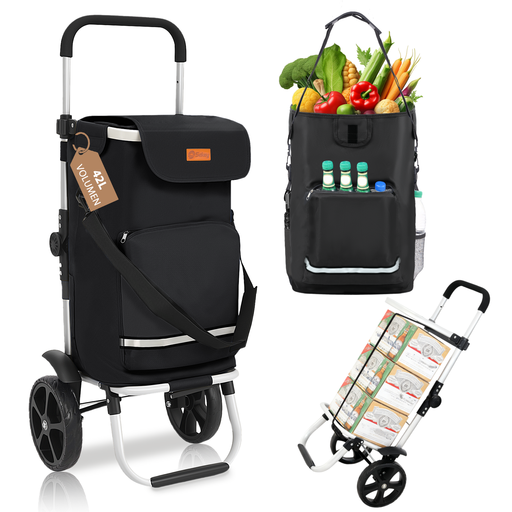
Why This Fits Their Persona: Ideal for the weekly grocery run, this trolley makes it easy to transport heavy items from the supermarket to home. The integrated cooler is perfect for keeping frozen goods and chilled dairy products at the right temperature during the journey, a common concern for UK shoppers.
It directly counters the "flimsy construction" trap. Instead of a weak bag, it features a stable aluminium frame with a 35 kg capacity and robust wheels, preventing torn handles or a collapsing structure when fully loaded.
Its 3-in-1 functionality as a trolley, sack truck and shoulder bag offers unmatched versatility. The integrated cooler compartment is a practical, built-in solution, not an afterthought.
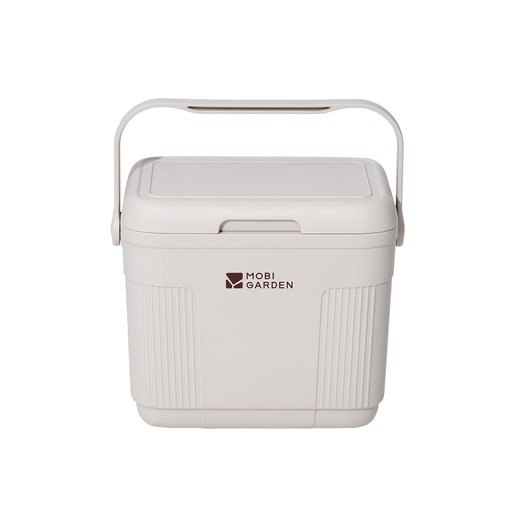
Why This Fits Their Persona: For those heading out for a weekend of camping or fishing, long-lasting insulation is non-negotiable. This 22L hard-shell cooler is built for the outdoors, with enough space for a small group's provisions and the durability to handle being transported in a car boot and used at a campsite.
It avoids misleading insulation claims by providing a realistic duration (up to 36-48 hours) and detailed guidance on how to achieve it, such as pre-chilling and using the included ice boxes. The high-density PU foam insulation is a verifiable feature, not just a marketing buzzword.
The food-grade PP hard-shell body provides superior insulation and durability. It also allows for direct, hygienic storage of fresh food and the reinforced corners protect it from knocks and scrapes.
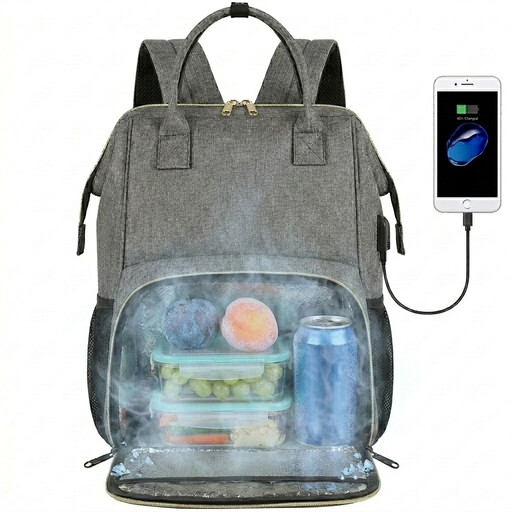
Why This Fits Their Persona: This is for the student, office worker or parent who needs to carry everything in one bag. It combines a laptop compartment, space for books or files and a dedicated cooler section, eliminating the need to carry a separate lunch bag. The USB port is a modern touch for charging devices on the go.
It tackles the "leak-proof illusion" head-on by having a completely separate, dedicated insulated compartment with a leak-proof and cleanable aluminium foil lining. This design isolates food and potential spills from sensitive electronics and documents.
The all-in-one design is its greatest strength. It functions as a proper business or college backpack that just happens to have a high-quality, insulated lunch compartment built in, offering ultimate convenience.
We have compiled a complete, real-time list of products that fully satisfy these strict selection criteria and UK safety regulations.
1. How long does a cooler bag actually keep food cold? The cooling duration depends heavily on several factors: the quality of the bag's insulation, the ambient temperature, whether you use ice packs, how full the bag is and how often you open it. A basic soft insulated lunch bag might keep items cool for 2-4 hours, sufficient for a commute. A high-performance hard cool box, when properly pre-chilled and packed, can maintain a cold temperature for 24 to 48 hours or more.
2. Are soft cooler bags better than hard cool boxes? Neither is inherently "better"; they serve different purposes. Soft bags like a cooler backpack or thermal bag are prized for their light weight, flexibility and ease of storage, making them ideal for picnics, day trips and personal lunches. Hard boxes offer superior insulation, durability and protection for their contents, making them the preferred choice for serious camping, fishing or long road trips where performance and ruggedness are key.
3. Can I use a cooler bag to keep food warm? Yes. The same insulation that keeps cold in also keeps heat in. A quality thermal bag is effective at maintaining the temperature of hot food for several hours. For best results, you can pre-warm the bag by placing a hot water bottle inside for a few minutes before you add your food containers.