
24/7 Customer Support

Free returns

Same-day & Next-day Delivery

Quality Guaranteed

Unlock Your Welcome Offers: FREE Delivery | Up to 80% OFF | Free 30-day JoyPlus trial
Download the APP
Waking up feeling overheated is a common frustration that can disrupt a restful night's sleep. Whether it's due to warmer summer nights, central heating or personal factors like being a 'hot sleeper', the right bedding can make a significant difference. A heavy winter duvet traps heat, leading to discomfort and interrupted sleep.
This guide is designed to help you navigate the world of lighter bedding. We will explore the key features to look for in a cooling duvet, from tog ratings to materials and provide some practical recommendations. Our aim is to give you the information needed to choose a duvet that helps you maintain a comfortable temperature all night long.
Selecting the right summer duvet involves more than just picking the thinnest one. Here are a few key considerations to help you make an informed choice.
The 'tog' rating measures a duvet's thermal insulance, or how well it traps heat. In the UK, ratings typically range from 1.0 for the lightest options up to 15.0 for thick winter duvets. For a lightweight duvet intended for summer or for those who naturally sleep warm, look for a rating between 1.0 and 4.5 tog. A 4.5 tog duvet is often considered the standard for summer use, providing a touch of comfort without causing overheating.
The materials used in a duvet's filling and cover are crucial for comfort.
Modern bedding technology has introduced fabrics and constructions specifically designed to manage body temperature. A temperature regulating duvet often uses advanced synthetic fibres or special fabric weaves that actively pull heat and moisture away from the body. Some duvets even feature dual-sided designs, offering different textures or cooling properties on each side for versatile comfort.
Here are a few recommendations that showcase the features hot sleepers and those seeking summer comfort should look for.
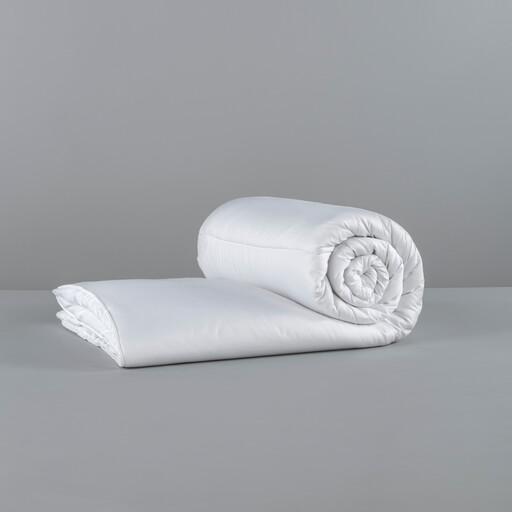
Why It Stands Out: This duvet is a classic example of an effective summer bedding solution. It combines a 4.5 tog rating with proven materials to deliver reliable comfort for warm nights. The construction focuses on breathability and a soft, gentle feel.
Pros:
Who is it for? This is a great option for anyone seeking a traditional and effective summer duvet. It's particularly well-suited for individuals with allergies or those looking for a low-maintenance, UK-made duvet for hot sleepers.
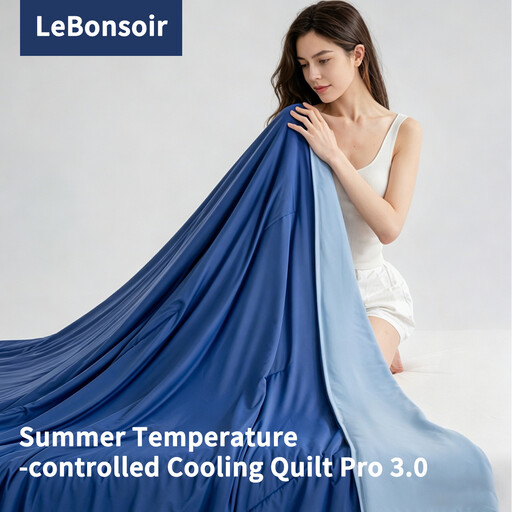
Why It Stands Out: This quilt offers a modern, versatile approach to sleep comfort with its innovative dual-sided design. It allows you to adapt your bedding to your immediate needs, making it more than just a standard lightweight duvet.
Pros:
Who is it for? This quilt is an excellent choice for individuals who are particularly sensitive to heat, including those experiencing menopausal hot flushes or who identify as very hot sleepers. The ability to switch between a cooling surface and a soft one provides customisable comfort.
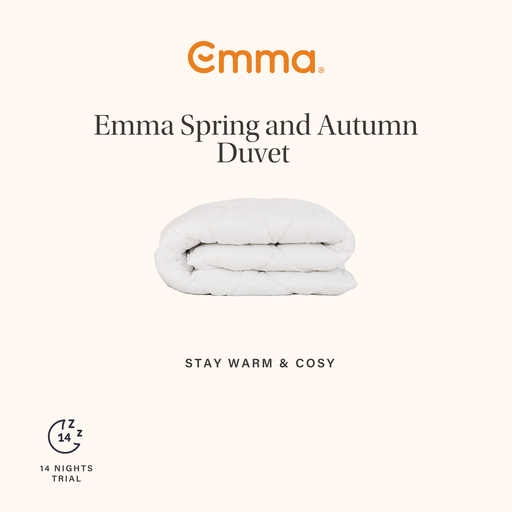
Why It Stands Out: While not strictly a low-tog summer duvet, the Emma Duvet's 6.7 tog rating positions it as a superb transitional or all-season option for those who find a 4.5 tog too light. It prioritises breathability and a fluffy, cloud-like feel.
Pros:
Who is it for? This duvet is for the sleeper who runs warm year-round but finds a dedicated summer duvet insufficient. It's also an excellent choice for guest rooms, offering a comfortable middle-ground that suits most people across different seasons.
If these specific recommendations aren't quite what you're looking for or if you'd like to explore a wider variety of materials and tog ratings, there are many other choices available.
Discover a broader selection of lightweight bedding by exploring our full range of Summer quilts.
For most people in the UK, a duvet with a tog rating between 1.0 and 4.5 is ideal for summer and for managing overheating. A 4.5 tog duvet is the most common choice, offering a balance of light coverage and breathability. If you are an exceptionally hot sleeper, a rating closer to 1.0 might be more suitable.
Yes, a microfibre duvet can be an excellent choice. The ultra-fine synthetic fibres are lightweight and create a soft, down-like feel. High-quality microfibre is also breathable, allowing air to circulate and moisture to escape, which is a key feature of a good night sweats duvet. Paired with a low tog rating, it provides comfort without trapping excessive heat.
Always check the care label first. Most synthetic duvets, including hollowfibre and microfibre models, can be machine washed. Use a gentle cycle and a mild detergent. It is often recommended to wash at 40°C, though some, like the Emma duvet, can handle up to 60°C for a more hygienic clean. Tumble dry on a low heat setting, as high heat can damage the synthetic fibres. Adding a couple of dryer balls can help fluff the filling and ensure it dries evenly.