
24/7 全天候客户支持

免费退货

当日/次日达

品质保障

开启新人专享福利: 全场免邮 | 低至 2 折 | 免费试用 30 天 JoyPlus 会员
下载 Joybuy
As warmer spells become more common across the UK, a reliable cooling fan is shifting from a luxury to a household essential. Yet, navigating the market can be a minefield of confusing claims and features that don't deliver. Many of us have bought a fan only to find it's too noisy for sleep, too weak for the living room or a surprising drain on the electricity bill.
Before you make a purchase you might regret, it's crucial to understand the common pitfalls. As a Joybuy Product Recommendation Officer, my role is to help you see past the marketing hype and focus on what truly matters for keeping your home comfortable. Here are the three most frequent mistakes UK shoppers make.
A fan that promises a powerful blast of air can seem ideal, but if it sounds like a jet engine in your bedroom, it's practically useless for a peaceful night's sleep. Many manufacturers prioritise airflow metrics over noise levels, leaving you with a device that's too disruptive for a quiet home office or a light sleeper's sanctuary.
Buying a simple cooling fan means you have an appliance that sits in a cupboard for nine months of the year. In the UK's unpredictable climate, a single-function device is often a missed opportunity. A multi-function appliance, such as a fan and heater combo or an air purifier fan, can provide year-round value by heating, cooling and improving air quality from one compact unit.
The initial price tag is only part of the cost. An inefficient fan or portable air conditioner can lead to a noticeable spike in your energy bills, especially during a prolonged heatwave. Models with poor energy ratings or older motor technology can consume significantly more power, quickly eroding any initial savings.
To make a smart choice, focus on a few core parameters that determine a fan's real-world performance, not just the marketing claims.
The single most important, yet often overlooked, specification for indoor use is the noise level, measured in decibels (dB).
Look for models that explicitly state their dB rating, especially those with modern DC motors, which are engineered for quieter operation.
Not all cooling devices work the same way. Understanding the difference is key to matching the product to your space.
Consider where and how you'll use your fan.
Based on these practical criteria, we've matched a few standout options to different UK household needs.
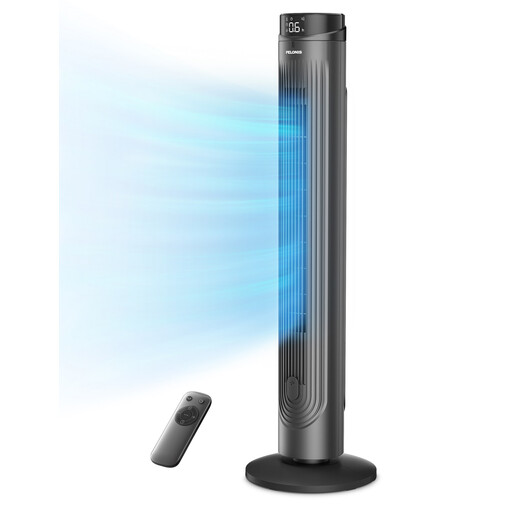
Why This Fits Their Persona: This tower fan is ideal for maintaining a comfortable and productive work-from-home environment. Its slim profile fits neatly into a home office or bedroom without taking up valuable floor space, while its features are geared towards focused work and restful sleep.
It directly counters the "powerful but deafening" trap by using an energy-efficient DC motor, which is engineered for lower noise levels. This makes it suitable for use during conference calls or overnight.
Features 12 speed settings for precise airflow control and a bladeless design that is safer and easier to clean. The DC motor also consumes less energy, addressing the hidden running costs.
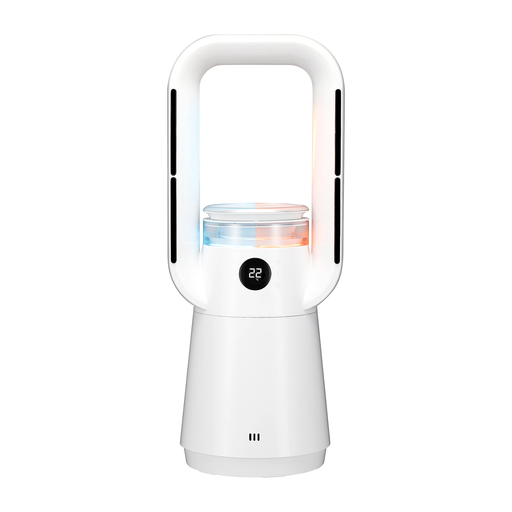
Why This Fits Their Persona: For a family home, versatility is key. This single appliance can cool a living room in summer, provide warmth on a chilly autumn evening, humidify dry winter air and purify it of allergens, making it a practical investment for year-round comfort.
This is the direct opposite of a "one-season wonder." By combining four functions, it eliminates the need for multiple devices, saving storage space and providing value throughout the entire year.
Includes a HEPA filter for air purification and safety features like anti-tilt and overheat protection, offering peace of mind for families with children or pets. The 65° oscillation ensures even air distribution.
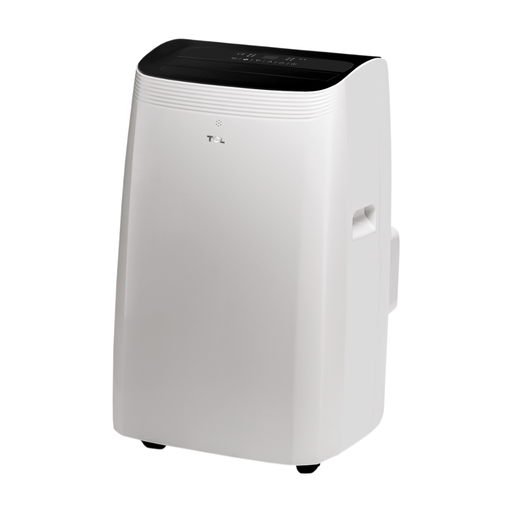
Why This Fits Their Persona: For those in flats or homes without central air conditioning, a standard fan often isn't enough. This portable AC unit provides powerful, genuine cooling for larger rooms, making a stuffy top-floor flat or a sun-facing living room genuinely comfortable during a heatwave.
It avoids the "hidden energy drain" by having an A-Class energy efficiency rating and using modern R290 refrigerant. The smart app control and 24-hour timer also allow for efficient scheduling to minimise waste.
Its 12,000 BTU capacity delivers substantial cooling power for medium-to-large rooms. The 3-in-1 functionality (cooling, fan and dehumidifier) adds extra value, helping to manage humidity on damp days.
We have compiled a complete, real-time list of products that fully satisfy these strict selection criteria and UK safety regulations.
The running cost depends on the fan's power consumption (wattage) and your electricity tariff. A small desk fan might use just 30-50 watts, while a powerful tower fan could use 60-100 watts. Portable air conditioners are more power-intensive, often using 1000-1500 watts. To keep costs down, look for models with energy-efficient DC motors or those with good energy ratings and use timers to avoid running them unnecessarily.
A cooling fan works by circulating existing air to create a wind-chill effect, which makes you feel cooler but doesn't change the actual room temperature. A portable air conditioner uses a refrigerant to actively remove heat and moisture from the air, physically lowering the room's temperature. AC units are more effective in intense heat but are more expensive to buy and run and require venting through a window.
For personal space, like at a desk or by a bedside table, a compact desk fan or a small tower fan is sufficient. For cooling a whole bedroom or small living room, a larger tower fan with good oscillation is a suitable choice. For large, open-plan living areas or to combat serious heat, a portable air conditioner is the most effective option. Check the manufacturer's recommended room size, often listed in square metres (m?) or the BTU rating for AC units.