
24/7 全天候客户支持

免费退货

当日/次日达

品质保障

开启新人专享福利: 全场免邮 | 低至 2 折 | 免费试用 30 天 JoyPlus 会员
下载 Joybuy
As temperatures fluctuate and stuffy indoor spaces become a common complaint, a reliable cooling fan is less of a luxury and more of a necessity. Yet, the market is flooded with options, many of which promise the world but fail to deliver. From noisy motors that disrupt your sleep to weak airflow that barely makes a difference, it is easy to make a purchase you later regret.
This guide cuts through the marketing clutter. We will highlight the common pitfalls that lead to buyer's remorse and break down the essential features to look for. Our goal is to provide you with practical advice to help you find a fan that genuinely suits your home, office or travel needs.
Before you add a fan to your basket, be aware of these frequent issues that can turn a promising purchase into a disappointment.
To ensure you are getting a product that performs well, focus on these key parameters.
Instead of a one-size-fits-all approach, we have matched a few noteworthy options to specific user needs.
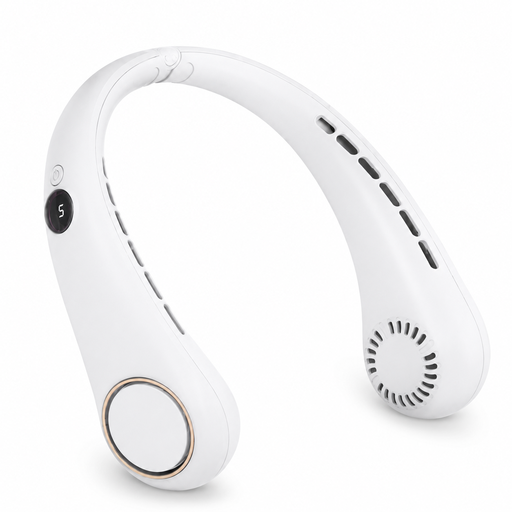
Why This Fits Their Persona: Ideal for anyone navigating stuffy public transport or walking on a warm day. Its wearable design provides a personal breeze without occupying your hands, making it perfect for reading, texting or holding onto railings during a commute.
This is a purpose-built portable fan. It doesn't pretend to cool a room, focusing instead on providing effective personal airflow, thus avoiding the "one-size-fits-all" pitfall.
The hands-free design is its main benefit. It features three adjustable wind speeds and a clear LED display for convenience.
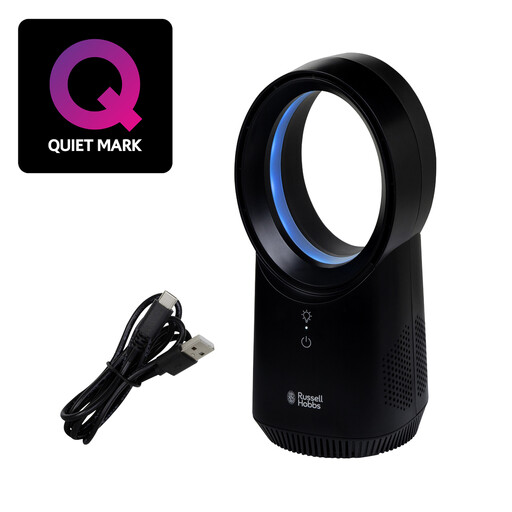
Why This Fits Their Persona: Perfect for a desk or bedside table. Its wireless, USB-rechargeable design means no cable clutter and complete freedom to move it around the house. The bladeless construction is a modern touch that is also safer for homes with children or pets.
This fan directly addresses the "power and portability" pitfall. As a rechargeable fan, it is not tethered to a wall, offering true flexibility for modern hybrid working life.
The bladeless fan design provides smooth, consistent airflow and is significantly easier to clean than traditional fans. Its compact size and wireless operation make it highly versatile.
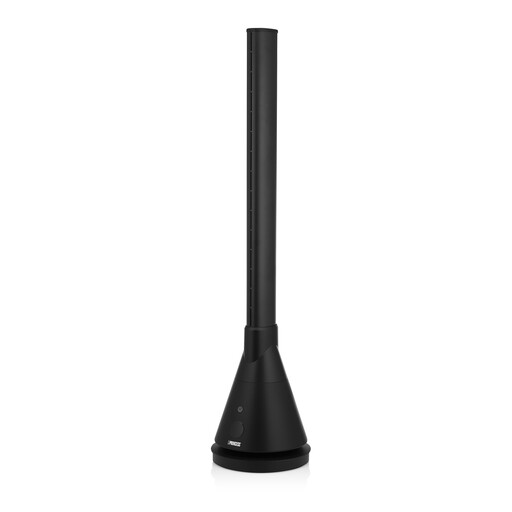
Why This Fits Their Persona: For those who want a single, elegant solution for year-round climate control. This smart heater fan provides powerful cooling in the summer and 2000W of warmth in the winter, all controlled from a smartphone app.
This appliance is an investment in convenience, consolidating two bulky devices into one. It avoids the trap of buying single-use gadgets that clutter up storage for half the year.
The smart app control allows you to create schedules and adjust settings remotely. Its dual heating and cooling functions make it a practical, space-saving choice for any modern UK home.

Why This Fits Their Persona: An excellent solution for cars without effective air conditioning or for circulating cool air to the back seats. This car fan is designed specifically for vehicle use, with a foldable body and power from the cigarette lighter socket.
It avoids the portability trap by being designed for a specific environment. The 12V/24V compatibility ensures it works in most cars, vans and lorries, unlike a standard USB fan that may not be powerful enough.
The dual-head design provides airflow for both the driver and passenger. It also includes two built-in USB ports, so you do not lose the ability to charge your phone.
We have compiled a complete, real-time list of products that fully satisfy these strict selection criteria and UK safety regulations.
1. How much does it cost to run a cooling fan in the UK? Running a fan is generally very affordable. A typical desk or tower fan uses between 40 to 60 watts of power. Based on an average electricity rate of 25p per kilowatt-hour (kWh), running a 50W fan for 8 hours would cost approximately 10p. Models with energy-efficient DC motors will cost even less.
2. Is a tower fan or a desk fan better for a bedroom? This depends on your needs. A tower fan is great for circulating air throughout a larger bedroom due to its height and oscillation. However, for targeted cooling aimed just at your bed, a compact desk fan on a nightstand or a pedestal fan can be more direct. For light sleepers, the most important factor is the noise level—look for a model specifically marketed as a quiet fan for bedroom use, with a sleep mode and a dB rating under 35dB.
3. Do air purifiers with fans actually cool a room? An air purifier for home that includes a fan function circulates air, which creates a wind-chill effect that makes you feel cooler. However, it does not actively lower the ambient temperature of the room like an air conditioning unit does. The primary benefit is the removal of airborne particles like dust and allergens, with the cooling sensation being a welcome secondary effect.