
24/7 Customer Support

Free returns

Same-day & Next-day Delivery

Quality Guaranteed

Unlock Your Welcome Offers: FREE Delivery | Up to 80% OFF | Free 30-day JoyPlus trial
Download the APP
Choosing cooling hydration drinks for a lunchbox, office fridge, gym bag or family gathering can seem straightforward. However, colourful packaging and phrases such as “electrolyte”, “natural” and “light” can make comparison harder than it needs to be.
The right drink depends on the occasion, serving size, ingredients and storage requirements. A lightly sweetened tea may suit a desk or meal, while coconut water or an electrolyte drink may be more convenient after exercise. This guide explains the details worth checking before buying, followed by our top recommendations for 2026.
Hydration drinks can contain very different amounts of sugar. For example, Vita Bottled Lemon Tea lists 9g of sugar per 100ml, while Ripe Fruit Grapefruit Oolong Tea lists 2g per 100ml. A 500ml bottle therefore needs to be assessed as a whole, not just by the front label.
Check the nutrition panel for:
“Fruit flavour” does not necessarily mean a drink contains a large quantity of fruit juice. Read the ingredients and quantitative ingredient declaration where available.
Electrolyte drinks may contain minerals such as sodium, potassium or magnesium, but that does not automatically make them suitable for every occasion. For a normal day at school, work or home, taste, portion size and sugar content may be more important.
For exercise, travel or warm weather, shoppers may prefer sports hydration drinks or coconut water. Still, compare the actual ingredient list and nutrition information rather than relying on the word “electrolyte” alone.
A single 500ml bottle is convenient for a commute, but a drinks multipack can be more practical for a family, office or back-to-school cupboard. Conversely, large multipacks require suitable storage and should not be bought in quantities that exceed likely use.
After opening, many ready-to-drink beverages need refrigeration and consumption within 24 hours. Always follow the instructions printed on the packaging, particularly for cartons and bottles stored in a warm car or school bag.
Use the nutrition table to compare products consistently. For reference, Kara Coconut Water lists 19 kcal and 4.5g of sugars per 100ml, while Genki Forest Alien Electrolyte Water is described as being sweetened with erythritol and sucralose, with potassium chloride and salt included in its formula.
A 1-litre carton can offer better value for home use, but a smaller can or bottle may help with portion control. Do not confuse “low calorie” with unsweetened: ingredients and nutrition values provide the more useful comparison.
Look for clearly listed ingredients such as coconut water, sodium, potassium chloride or magnesium. Coconut water products vary considerably: Kara Coconut Water is listed as 100% coconut water, while Vita Coco Original Coconut Water contains coconut water, less than 1% fruit sugar and vitamin C.
For flavoured drinks, check whether the taste comes from juice, concentrate, syrup, flavouring or a combination. This matters when comparing coconut water, Asian soft drinks, fruit beverages and herbal tea drinks.
UK shoppers should check allergens highlighted on the label. Uni-President Assam Milk Tea contains milk, while Vitasoy soy milk products contain soya; malted soy milk also lists barley. Coconut Palm Coconut Juice includes milk-derived sodium caseinate.
Also check:
These checks are particularly important when ordering imported Asian drinks, lemon tea, soy milk drinks or unusual fruit drinks online.
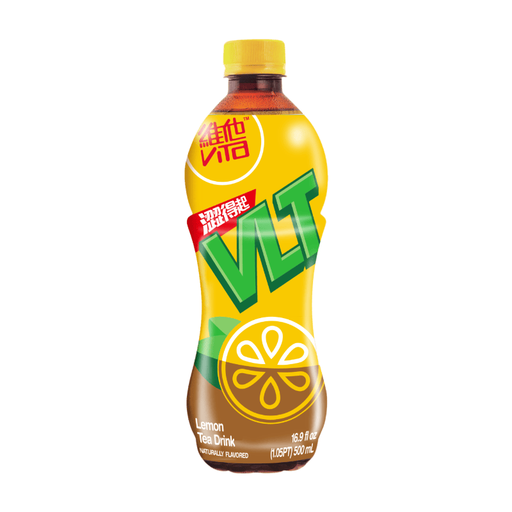
Why This Fits Their Persona: A single 500ml bottle is practical for students, commuters and shoppers trying Asian-style drinks without committing to a large case.
The listing clearly states a 500ml quantity and 9g of sugars per 100ml, making the serving easier to assess before purchase.
Ready to drink, lemon-flavoured black tea, and suitable for chilled serving with meals or as a daily refreshment.
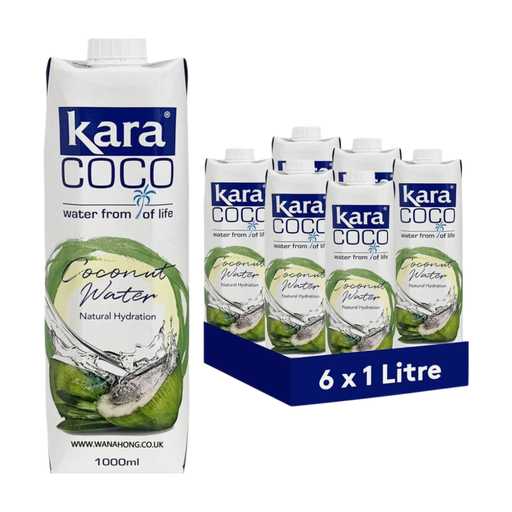
Why This Fits Their Persona: The six 1-litre cartons suit households and office fridges where a larger supply of coconut water is useful.
The ingredient list identifies coconut water as 100%, with no added sugars, preservatives or artificial flavours listed.
Contains 19 kcal and 4.5g of sugars per 100ml, and provides potassium, sodium and magnesium according to the product information.

Why This Fits Their Persona: Fifteen 600ml bottles work well for gym users, sports clubs, students and families preparing drinks for several active days.
The product information identifies potassium chloride and salt rather than using an unspecified electrolyte claim, and names the sweeteners used.
600ml bottles, white peach flavour, and added vitamins B6 and E as listed in the product description.
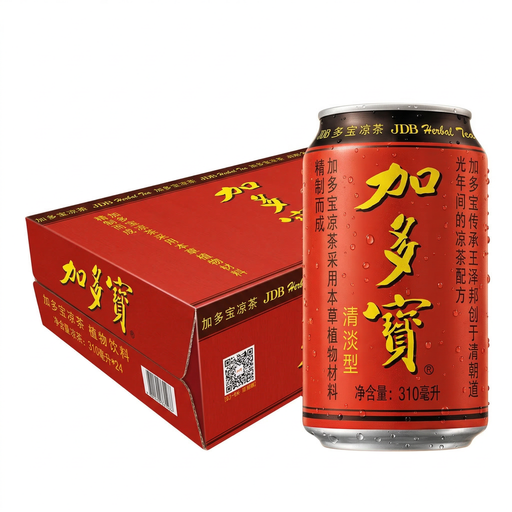
Why This Fits Their Persona: Small bottles are easy to distribute at meals, gatherings, celebrations or family events where individual portions are convenient.
The case quantity and 310ml serving size are stated clearly, while the nutrition panel shows 8.5g of sugars per 100ml.
Ready-to-drink herbal beverage with mesona, chrysanthemum and honeysuckle listed among its ingredients.
Different routines call for different formats:
Compare the full range by flavour, pack quantity, sugar level, allergens and storage needs rather than choosing solely by front-of-pack imagery.
We have compiled a complete, real-time list of products that fully satisfy these strict selection criteria and UK safety regulations.
Not usually for every situation. Water and ordinary drinks can form part of daily fluid intake, while electrolyte drinks may appeal during exercise, hot weather or extended outdoor activity. Compare the product’s sugar, sodium and serving information before buying.
Small cartons or bottles are easy to pack and distribute. Products such as 250ml soy milk cartons, 238ml fruit drinks and 310ml herbal tea bottles offer manageable portions. Check your school’s packed-lunch policy and keep chilled products cold where required.