Organisers running a staffed drinks station
Bottled concentrate can work where you can supply water and give staff the dilution instructions for each product. Plan the serving equipment and storage arrangements alongside the bottles.


For a conference with a staffed drinks station, bottled cordial or squash is an option if you can provide water, measure each product’s dilution and make current ingredient information available. If the brief calls for sealed, ready-to-drink cans, buy those as a separate soft-drink category rather than assuming a cordial multi-pack meets it. The bottled options here do not establish whether canned cordial is available elsewhere.
Bottled concentrate can work where you can supply water and give staff the dilution instructions for each product. Plan the serving equipment and storage arrangements alongside the bottles.
Keep the current ingredient and allergen information for every drink you serve. GOV.UK says retail and catering food businesses must provide allergen information and follow labelling rules.
If guests must be able to pick up a ready-to-drink can, specify that format in the catering brief. A multi-pack of concentrated bottles still requires mixing and serving.
Settle the serving format first, then use the exact drink’s label to plan quantities and guest information.
| Priority | What to check | Your needs |
|---|---|---|
| Serving format | Confirm whether the pack contains concentrate or sealed ready-to-drink cans. For concentrate, check that water, cups and dispensing equipment will be available. | I need guests to take an individual sealed drink without a mixing step, or I can run a drinks station. |
| Serving quantities | Use the chosen product’s dilution instructions and stated yield, then account for the cup size and number of servings planned. Waitrose & Partners lists one Robinsons cordial at 14 servings with one part concentrate to six parts water; that ratio is not a rule for other products. | My order needs to cover the planned service without treating every 1L bottle as the same number of drinks. |
| Ingredients and allergens | Read the current label for each variant. Check any no-added-sugar or dietary description on that product rather than applying it across a brand. | I want to answer guests’ questions about the drinks actually being served, including those mixed at a dispenser. |
| Storage | Check the product’s instructions for unopened and opened bottles, and decide who will handle any concentrate left after service. | There may be opened bottles when the conference ends, so I need a handling plan for the chosen drink. |
Bottled cordial needs water and serving equipment; it does not provide sealed individual drinks.
Write either “concentrated cordial for a drinks station” or “sealed ready-to-drink cans” into the order before selecting products.
A concentrate service also takes water, cups, dispensing equipment and preparation time.
Product instructions and declared servings differ, so bottle counts alone cannot establish how many drinks an order will provide.
Calculate quantities using each chosen label’s dilution instructions and the cup size planned for the event.
A generic brand description does not identify the ingredients and allergens in every variant being served.
Keep current packaging or supplier information for each drink accessible to the catering team and guests. GOV.UK says retail and catering food businesses must provide allergen information.
Robinsons has concentrated squash and cordial lines, including Double Concentrate, Fruit Creations and mini concentrate packs.
Waitrose & Partners lists a 1L No Added Sugar Lime Juice Cordial as a concentrated drink with sweetener.
Sainsbury's lists bottled cordial options, including Robinsons and Belvoir Farm products, in its cordial range.
These Robinsons 6x1L squash packs are options for a conference drinks station with water and dilution equipment. They are bottled concentrates, not sealed ready-to-drink cans.
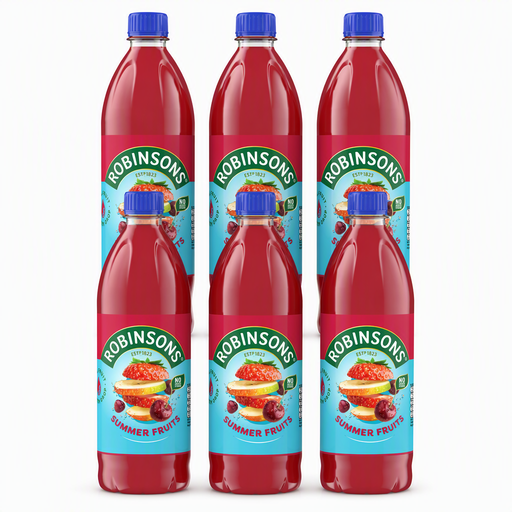 No image available
A six-bottle concentrate pack for a water-based drinks station, rather than individual cans. Check the current label for dilution, ingredients and opened-bottle storage before planning service.
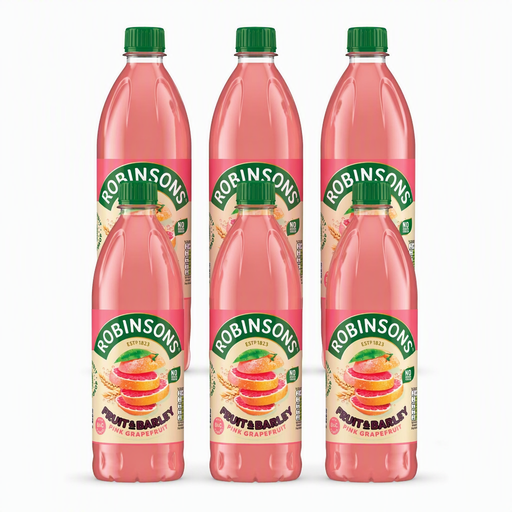 No image available
This six-bottle squash pack suits a service where drinks can be mixed with water. Check the current dilution, ingredient and allergen information for this variant before serving guests.
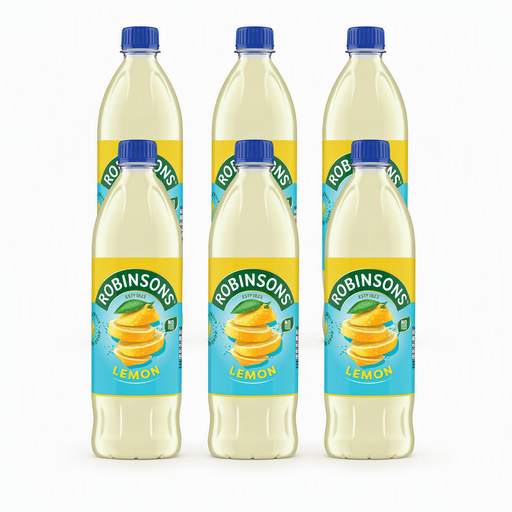 No image available
A six-bottle concentrate pack for a drinks station, not a pack of ready-to-drink cans. Use the current label to establish dilution, serving quantities and ingredient information for the event.
Do not treat a bottled cordial multi-pack as an order for individual cans. If sealed, ready-to-drink portions are required, specify canned soft drinks separately and confirm the exact product and pack format before ordering.
Use that bottle’s stated servings and dilution directions, together with your planned cup size. For example, Waitrose & Partners lists Robinsons Crushed Lime & Mint Fruit Cordial at 14 servings and one part concentrate to six parts water; do not apply its figures to another variant.
Yes, where the caterer is operating as a food business: GOV.UK says retail and catering food businesses must provide allergen information for food and drink and follow labelling rules. Keep current information for each product available during service.
No. That description concerns the specified product; it does not replace a check of its current ingredients, allergen information and the event’s dietary requirements.
Follow the storage and use instructions on each product’s current packaging, including any directions that apply after opening. Assign someone to manage opened bottles during and after the event rather than applying one rule to every cordial.