Households making drinks at home
A bottle of cordial or squash suits a first shop if you have water available and want to prepare each drink. Check its dilution directions, nutrition for the prepared drink and storage instructions after opening.


Choose bottled cordial or squash if you want a concentrate to dilute with water at home. Choose a canned soft-drink multipack if you need individual ready-to-drink portions: Tesco Groceries lists bottled squash and cordial separately from its fizzy-drink cans, so check the format rather than assuming a can multipack contains cordial.
A bottle of cordial or squash suits a first shop if you have water available and want to prepare each drink. Check its dilution directions, nutrition for the prepared drink and storage instructions after opening.
If you want cans for lunches or guests, look for a ready-to-drink multipack. Tesco Groceries lists fizzy-drink cans separately from bottled squash and cordial.
Read the exact product label for sugars, sweeteners and highlighted allergens, particularly when shopping for someone with an allergy or intolerance. For young babies, NHS guidance says squashes and fizzy drinks are not suitable.
Choose when: You can add water at home and want to make drinks from a concentrate.
Bear in mind: Preparation and nutrition comparisons depend on the specific product’s dilution directions.
Choose when: Individual ready-to-drink cans matter more than having a concentrate.
Bear in mind: A canned fizzy drink is a different purchase from cordial and is not intended for dilution.
| Priority | What to check | Your needs |
|---|---|---|
| Drink format | Check whether the pack contains a concentrate requiring water or individual ready-to-drink cans. Tesco Groceries lists these in separate drink categories. | I want to come home with the type of drink I can actually use: a bottle to dilute or cans to open individually. |
| Dilution | For cordial, read the bottle’s mixing directions and any stated serving information. Ratios differ: Waitrose & Partners suggests one part cordial to four parts water for its lime cordial, while its Belvoir elderflower listing says 1:10. | If I’m buying a concentrate, bottle volume alone will not tell me how I’ll prepare each drink. |
| Nutrition and ingredients | Check whether nutrition is given per 100ml of diluted drink or per prepared serving, and read the ingredients for sugars and sweeteners. Do not treat “no added sugar” as a substitute for the nutrition panel. | I want to compare drinks as they will be served and check what is in the particular bottle or can. |
| Household suitability | Check the current pack for highlighted allergens and preparation instructions. NHS guidance says squashes and fizzy drinks are not suitable for young babies. | When shopping for a child or someone with an allergy, I need the details for the exact product, not an assumption about its category. |
Tesco Groceries lists bottled squash and cordial separately from ready-to-drink fizzy-drink cans. The formats serve different purposes.
Decide whether you want to dilute a concentrate or open individual cans before choosing a pack.
Products can specify different amounts of water for each part of concentrate, so the same bottle volume does not describe the same preparation.
Read each bottle’s dilution directions and compare nutrition using the basis stated on its label.
The claim does not give you the full ingredients list or the sugar figure for a prepared serving.
Check the current pack for nutrition, sweeteners and highlighted allergens, especially when a household member has a dietary restriction.
These examples help identify bottled concentrates; they do not describe every product in a brand’s range.
Tesco Groceries lists Robinsons squash in its squash-and-cordial category, including a 1.75L Double Strength Apple & Blackcurrant bottle.
Tesco Groceries lists its own-label Quadruple Strength Lemon Squash No Added Sugar in a 1.5L bottle.
Waitrose & Partners suggests mixing one part of its No Added Sugar Lime Juice Cordial with four parts water.
These two options illustrate different choices for a first food shop: ready-to-drink cans and a bottled concentrate to prepare with water.
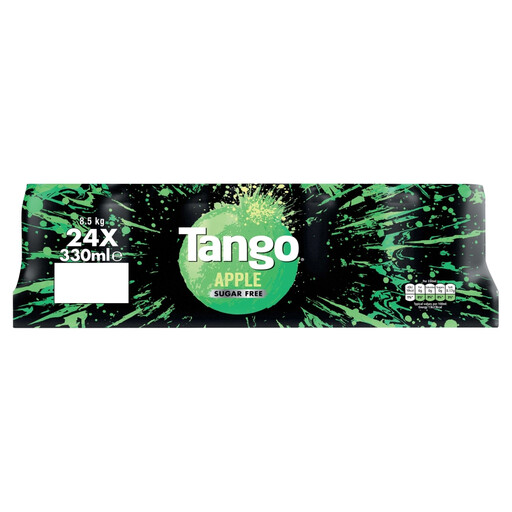 Image unavailable
For individual ready-to-drink portions rather than a concentrate to dilute. This is a carbonated soft drink; check the current can for ingredients and nutrition.
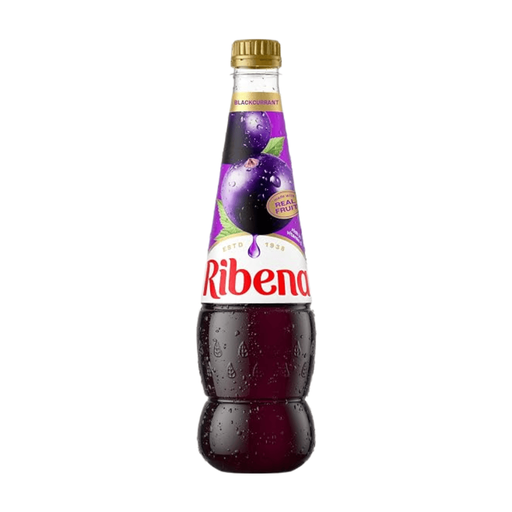 Image unavailable
For preparing a drink with water at home, not for individual ready-to-drink portions. Follow the bottle’s dilution directions and check its current ingredients, allergen declaration and nutrition basis before comparing prepared drinks.
No. Tesco Groceries lists bottled squash and cordial separately from ready-to-drink fizzy-drink cans. Check the pack description if you specifically need a concentrate to dilute.
Use each product’s stated nutrition basis and dilution directions, rather than comparing concentrate volume alone. A label may give values per 100ml of diluted drink or per prepared serving, so check that you are comparing like with like.
No: the phrases do not mean the same thing. Check the exact product’s nutrition panel for sugars and its ingredients list for sweeteners.
NHS guidance says squashes and fizzy drinks are not suitable for young babies. Do not choose either format as a drink for a young baby; follow NHS feeding guidance for age-appropriate drinks.