Households mixing drinks at home
A bottle of cordial suits repeated servings made with still or sparkling water. Check the dilution instructions and how the bottle should be stored after opening.


Choose bottled cordial if you want a concentrate to dilute for repeated servings at home. If you need individual drinks without mixing, choose a ready-to-drink soft-drink multipack instead; Tesco lists canned multipacks in its fizzy-drinks range, while the cordial examples from Waitrose & Partners and M&S Food are intended for dilution. Check the drink type, ingredients and pack format before adding either option to an online grocery order.
The useful distinction is whether you want to prepare drinks from a concentrate or open individual cans.
A bottle of cordial suits repeated servings made with still or sparkling water. Check the dilution instructions and how the bottle should be stored after opening.
If flavour, sweetener, ingredients or pack format matter, review substitution settings before ordering and check the label on the delivered item.
For lunches, travel or guests when mixing is impractical, look for a ready-to-drink canned soft-drink multipack rather than assuming a can listing contains cordial concentrate.
Decide how the drink will be served, then check the preparation instructions, ingredients and delivery options for the exact product.
Choose when: You want to make repeated servings at home and adjust the dilution to your taste.
Allow for: You will need water and a glass or bottle to prepare each drink.
Choose when: Individual portions matter more than mixing a concentrate, such as for packed lunches or guests.
Bear in mind: A canned soft drink is a different product from cordial and has its own ingredients and drink type to check.
| Priority | What to check | My needs |
|---|---|---|
| Drink format | Check whether the listing says concentrate for dilution or ready to drink. For cans, confirm the drink type and number of cans. | I need portions I can open away from home, so I am looking for ready-to-drink cans rather than cordial concentrate. |
| Dilution and servings | For bottled cordial, compare the stated mixing ratio and serving estimate. Waitrose & Partners lists 14 servings at 1:6 for Robinsons Ginger & Orange, and Bottlegreen Pomegranate & Elderflower at 1:14 for an estimated 30 glasses. | If I am making drinks at home, I want to know how much prepared drink the particular bottle is intended to make. |
| Ingredients and nutrition | Read the sugar, sweetener and allergen declarations for the exact variant. Compare nutrition figures only after checking the stated serving size and dilution basis. | A particular ingredient or sweetener may affect my choice; I cannot assume two cordials have the same recipe. |
| Storage after opening | Check whether the cordial needs refrigeration and how long the opened bottle can be kept under its label instructions. | I may use a bottle only occasionally, so its opened-bottle instructions matter before I choose a size. |
| Substitutions | Review the retailer’s substitution setting and inspect any replacement’s format and label. Sainsbury's says it may offer substitutes unless asked not to. | If I need an exact flavour or ingredient list, I would rather check a proposed replacement than accept it automatically. |
Waitrose & Partners and M&S Food describe the reviewed cordials as drinks to dilute, while Tesco lists canned multipacks among fizzy drinks. Combining the terms can bring up a different drink from the one you intend to serve.
Search for bottled cordial if you want concentrate; search for non-alcoholic ready-to-drink cans if you need individual portions.
Different mixing ratios and serving estimates mean bottle volume alone does not describe the prepared drink. Nutrition information also needs to be read on its stated dilution basis.
Compare each bottle’s dilution instructions, stated servings and prepared-drink nutrition before choosing.
A replacement may differ in flavour, sweeteners, allergens or format, even when its listing looks similar.
Use the retailer’s substitution controls when an exact item matters, and inspect any replacement before accepting it.
The physical product label is the place to check the ingredients and allergen statement of the item delivered to you.
Read that label before use if an allergy, intolerance or other ingredient requirement affects the purchase.
These bottled cordial examples illustrate different dilution instructions and formulations; the details apply to the named products, not every drink from each brand.
Waitrose & Partners lists a 500 ml Ginger & Orange cordial.
Its 500 ml Lemon & Lime No Added Sugar cordial is a bottled concentrate.
The Pomegranate & Elderflower product is a bottled cordial for dilution.
Its own-label No Added Sugar Lime Juice Cordial comes in a 1 litre bottle.
M&S Food describes its cordial range as ready to dilute with still or sparkling water.
These Joybuy options are canned soft-drink multipacks for occasions when you want individual drinks without dilution. They are not bottled cordial concentrates.
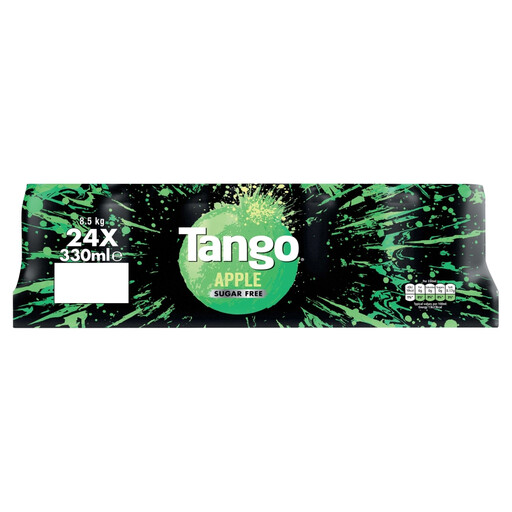 Image unavailable
Individual apple-flavoured cans suit occasions when you do not want to mix a drink. This 24-pack is a ready-to-drink soft drink, not cordial concentrate; check the delivered label for ingredients.
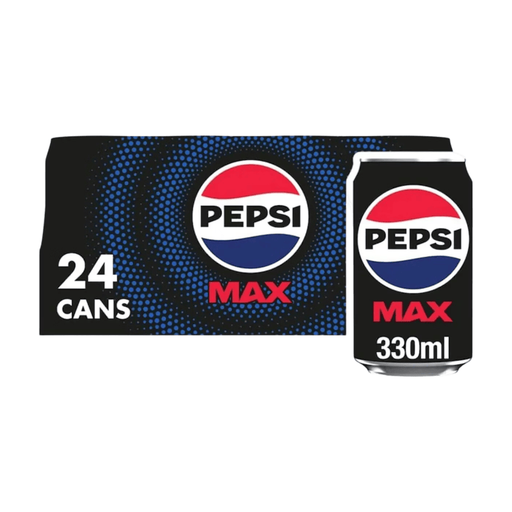 Image unavailable
The individual cans can be served without preparing a concentrate. This is a 24-pack of ready-to-drink soft drink rather than cordial; check the delivered label if particular ingredients matter.
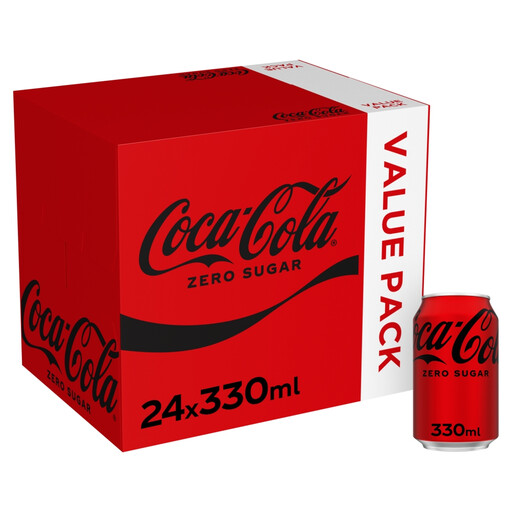 Image unavailable
Choose individual cans when you need drinks that do not require mixing. The pack contains 24 ready-to-drink 330 ml cans, not cordial concentrate; read the delivered label for the current ingredient declaration.
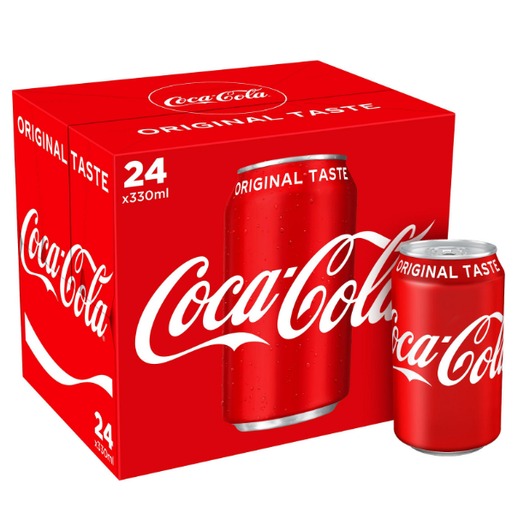 Image unavailable
This 24-pack provides individual 330 ml cans for serving without dilution. It is a ready-to-drink soft drink, not cordial; compare its label with other drinks if ingredients or nutrition affect your choice.
No: the cordial examples listed by Waitrose & Partners and M&S Food are concentrates intended for dilution, whereas Tesco lists canned multipacks in its fizzy-drinks range. Check the exact product description rather than relying on a search term that combines both formats.
Use each bottle’s stated dilution and serving estimate, not volume alone. Waitrose & Partners lists 14 servings at 1:6 for Robinsons Ginger & Orange, while its Bottlegreen Pomegranate & Elderflower listing suggests 1:14 dilution for an estimated 30 glasses.
Check substitution settings before ordering if the exact flavour, ingredients or format matter. Sainsbury's says it may offer substitutes unless asked not to; Tesco says an unwanted substituted item can be handed back for a refund. Review the applicable retailer terms and inspect any replacement before accepting it.
Use the listing to choose a product, then check the ingredient and allergen statements on the pack delivered to you before use. This is particularly important when your choice depends on a specific sweetener, ingredient or allergen declaration.