Hosts mixing drinks
Bottled cordial suits a plan involving jugs or individually mixed drinks, provided there is water and a way to follow the chosen bottle’s dilution instructions.


Choose bottled cordial if you want to mix jugs or adjust the strength of individual drinks and can provide water, glasses and time to prepare them. Choose ready-to-drink multipack cans if sealed individual portions and minimal preparation matter more. A bottle’s volume is not its finished-drink volume: follow its dilution instructions, and check the exact drink’s ingredients, nutrition and storage directions before serving.
The useful starting point is how guests will be served: mixed drinks need preparation, while individual cans can be handed out unopened.
Bottled cordial suits a plan involving jugs or individually mixed drinks, provided there is water and a way to follow the chosen bottle’s dilution instructions.
Ready-to-drink cans suit a gathering where guests can take sealed portions without waiting for drinks to be mixed. Check the can size and number in the pack when planning quantities.
Read the ingredients and allergen information on each exact flavour before serving it. A different drink from the same brand may have a different recipe.
Choose when: You want to prepare jugs or mix drinks to the chosen bottle’s directions.
Allow for: Water, glasses and mixing time, plus the bottle’s storage directions once opened.
Choose when: Sealed individual portions matter more than preparing drinks during the party.
Allow for: Each can comes ready to drink, so its strength cannot be adjusted by following a cordial dilution ratio.
Decide on the serving format, then compare quantities and labels on the basis of the drink guests will actually receive.
| Priority | What to check | Your needs |
|---|---|---|
| Serving format | Read whether the drink is a concentrate or ready to drink. Check the number and size of individual cans; Belvoir Farm lists some sparkling drinks as 4 × 330ml cans separately from its 500ml cordials. | I’d rather hand out sealed drinks than mix each serving, or I have space and time to prepare jugs. |
| Finished quantity | For cordial, follow the exact bottle’s dilution ratio and stated serving size rather than treating bottle volume as finished-drink volume. Sainsbury’s lists Robinsons Ginger & Orange at 1 part concentrate to 6 parts water; Belvoir Farm lists its Lime Cordial at 1 to 8. | How many drinks can I prepare from the bottle I’m considering? For cans, I want to know how many individual portions are in the pack. |
| Nutrition basis | Compare figures for the prepared drink at a matching serving volume. Sainsbury’s lists 11g sugars per 250ml diluted serving for Robinsons Ginger & Orange; Belvoir Farm lists 11g per 250ml serving for its Lime Cordial at its stated dilution. Read a canned drink’s own panel rather than applying either cordial figure to it. | I want to compare what is in a drink as served, not mistake a concentrate’s bottle volume for a serving. |
| Ingredients | Check the exact pack’s ingredients and allergen information for each flavour. The Robinsons Ginger & Orange listing at Sainsbury’s names sodium metabisulphite; that does not establish what is in other cordials or cans. | If a guest needs to avoid an ingredient, I need to check the particular drink I’ll serve them. |
| Opened-bottle storage | Read storage and use-after-opening directions if cordial may be kept after the party. Sainsbury’s lists four weeks after opening for Robinsons Ginger & Orange; Belvoir Farm directs buyers to refrigerate its Lime Cordial after opening and use it within three weeks. | I may open a bottle for this gathering and keep the remainder, so its own storage instructions matter. |
A concentrate needs dilution, while a ready-to-drink can is already portioned. Choosing by flavour alone could leave you with a different serving format from the one you planned.
Read the product type and preparation directions: choose cans for unopened individual drinks, or cordial when you intend to mix servings.
The same bottle volume need not produce the same amount of finished drink when label directions differ. The Robinsons Ginger & Orange and Belvoir Farm Lime Cordial examples have different dilution ratios.
Use each bottle’s stated ratio and serving size to work out how many drinks it will make for your planned portions.
Ingredients are product-specific. Sainsbury’s lists sodium metabisulphite in Robinsons Ginger & Orange, while the Food Standards Agency identifies sulphites as a concern for people who are sensitive to them.
Check each chosen drink’s current pack label before buying and again before serving a guest who needs to avoid a particular ingredient.
These examples help distinguish bottled cordial from canned drinks; a brand reference does not mean every flavour has the same ingredients or instructions.
Robinsons lists 500ml Fruit Cordials, including Ginger & Orange and Elderflower, as bottled concentrates rather than canned multipacks.
Belvoir Farm lists 500ml cordials and 330ml sparkling cans as separate formats, including some 4 × 330ml can packs.
Tesco Groceries lists Bottlegreen elderflower, pomegranate elderflower, and ginger and lemongrass cordials in 500ml bottles.
These soft-drink multipacks suit the individual-serve side of the party decision. They are ready-to-drink options, not bottled cordial for mixing; compare their pack sizes and check each drink’s label against guests’ needs.
 No image available
The 24 individual 330ml cans suit a plan for drinks that do not need cordial dilution.
Check the exact pack’s caffeine and phenylalanine information before serving guests for whom those ingredients matter.
 No image available
This pack provides 24 individual 330ml cans when you want to serve drinks without mixing jugs.
Check the exact pack’s caffeine information against guests’ requirements.
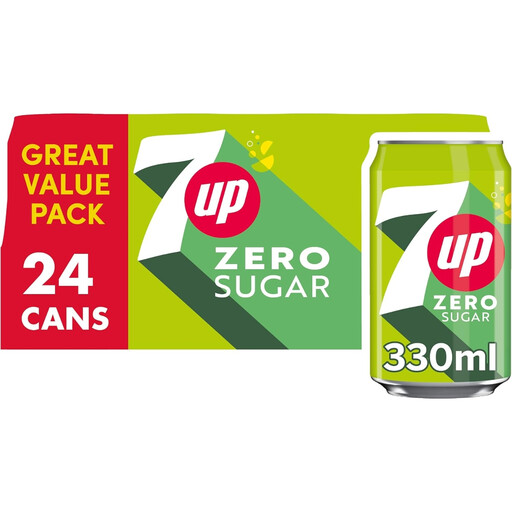 No image available
The 24 individual 330ml cans provide ready-to-drink portions rather than a concentrate to dilute.
Check the exact pack’s phenylalanine information if it matters for a guest.
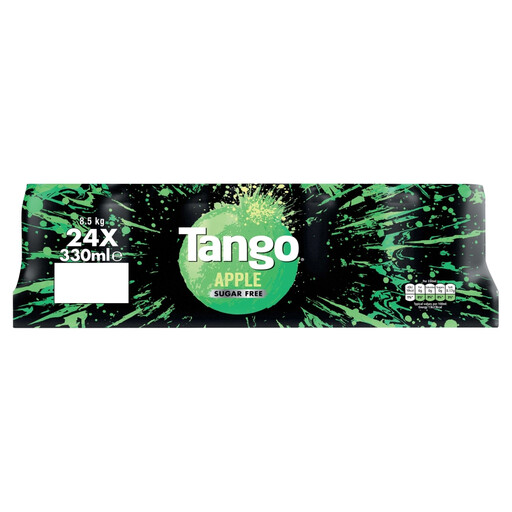 No image available
This 24-can pack offers individual 330ml portions for serving without dilution.
Read the exact pack’s ingredient list, including its sweeteners, if guests have particular requirements.
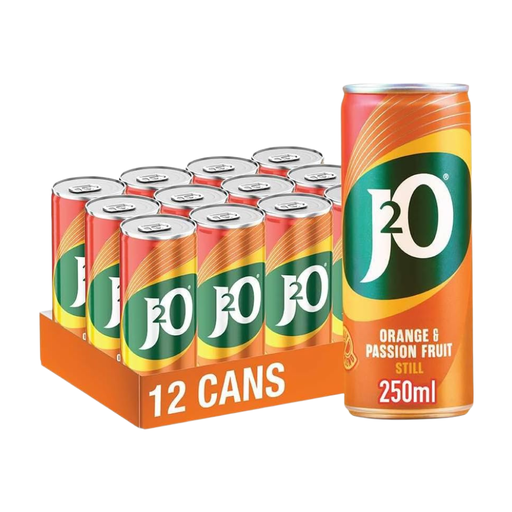 No image available
The 12 individual 250ml drinks suit guests who want a ready-to-serve fruit-flavoured option.
Read the exact pack’s ingredients, allergens and nutrition figures on a consistent serving basis when comparing it with other drinks.
No. Bottled cordial is a concentrate to dilute according to its label, while canned soft drinks may be ready to drink. Belvoir Farm, for example, lists 500ml cordials separately from 330ml sparkling cans, including some 4 × 330ml packs; check the format of the specific product before buying.
Work it out from the exact bottle’s dilution direction and the size of drink you plan to serve, not from bottle volume alone. Sainsbury’s lists Robinsons Ginger & Orange at 1 part concentrate to 6 parts water, while Belvoir Farm lists its Lime Cordial at 1 to 8, so the same calculation will not suit both.
Compare the drinks as served, using the stated dilution and a matching serving volume. Sainsbury’s lists 11g sugars per 250ml diluted serving for Robinsons Ginger & Orange, and Belvoir Farm lists 11g per 250ml serving for its Lime Cordial at its own dilution. Neither figure tells you the sugar content of a canned drink; read that can’s nutrition panel separately.
Check the ingredients and allergen information on the exact drink before serving it. Sainsbury’s lists sodium metabisulphite in Robinsons Ginger & Orange, and the Food Standards Agency identifies sulphites as a concern for people who are sensitive to them; do not assume another flavour has the same ingredient list.