Hosts reducing added sugar
Look for a no-added-sugar label, then check sugars in the drink as prepared. Fruit juice can still contribute sugars, so the claim alone does not tell you what is in a glass.


Choose a no-added-sugar cordial if reducing added sugar matters, but compare the prepared-drink nutrition and check which sweeteners it contains; no added sugar does not mean sugar-free. A conventional fruit cordial is another choice when guests are not seeking to reduce added sugar, while no-added-sugar squash can provide a separate soft-drink option. Check the bottle’s ingredients before serving, particularly if a guest needs to avoid sulphites or a specific sweetener.
Look for a no-added-sugar label, then check sugars in the drink as prepared. Fruit juice can still contribute sugars, so the claim alone does not tell you what is in a glass.
Read the ingredients of each cordial or squash rather than treating no-added-sugar varieties as interchangeable. Sainsbury’s lists sucralose in its no-added-sugar lime cordial; Waitrose lists steviol glycosides in its No Added Sugar Cherries & Berries Cordial.
Check the exact bottle before pouring. Tesco and Sainsbury’s list sodium metabisulphite or sulphites in their no-added-sugar lime cordials, and the Food Standards Agency identifies sulphites as a possible risk for people with sensitivity.
Decide whether you want a cordial or a separate squash option, then compare the ingredients and nutrition for the drink you intend to serve.
| Priority | What to check | Your needs |
|---|---|---|
| Sugar in the glass | Check the no-added-sugar claim and sugars for a prepared serving. Sainsbury’s lists less than 0.5g sugars per 250ml serving of its no-added-sugar lime cordial; use the labelled dilution when comparing drinks. | I want to reduce added sugar without assuming that a fruit-based drink contains no sugar. |
| Sweetener choice | Read the full ingredients list for named sweeteners. Sainsbury’s lime cordial lists sucralose, while Waitrose No Added Sugar Cherries & Berries Cordial lists steviol glycosides. | Someone at the party avoids a particular sweetener, so the exact formulation matters to me. |
| Ingredient screening | Check the bottle’s allergen and ingredient declarations before serving. Tesco and Sainsbury’s no-added-sugar lime cordials list sodium metabisulphite or sulphites; check any vegan claim on the individual product too. | I need guests to be able to identify ingredients that do not suit them, rather than relying on the flavour name or a front-of-pack claim. |
| Serving style | Check directions for still or sparkling water and any suggested cocktail use. Tesco describes Belvoir’s no-added-sugar lemon and lime cordial as suitable for water or cocktails; M&S gives similar serving suggestions for its sugar-containing citrus cordial. | I’m putting out alcohol-free drinks as well as mixers, and I want to know how each bottle can be served. |
| Dilution | Follow the bottle’s mixing directions and compare equal sizes of prepared drink. An undiluted per-100g figure is not directly comparable with nutrition listed per diluted glass. | If I pour a stronger drink, I need to account for the extra concentrate in each glass. |
Fruit juice can contribute naturally occurring sugars, so the claim does not give the sugar content of the finished drink.
Check sugars in the nutrition table for the labelled diluted serving.
Tesco and Sainsbury’s list sodium metabisulphite or sulphites in their no-added-sugar lime cordials. The Food Standards Agency identifies sulphites as a possible risk for people with sensitivity.
Inspect the bottle bought for the party and keep its packaging available for guests to read.
Nutrition stated per 100g of cordial as sold and per 250ml of prepared drink uses different measures.
Follow each dilution instruction and compare the same prepared serving size.
Recipes and ingredient details can change, which matters when a guest needs to avoid an ingredient.
Use the label on the bottle you serve for the final sweetener and allergen check.
A brand name alone does not establish whether a particular cordial contains added sugar; check its range and the individual bottle.
Robinsons sells squash and a separate classic Fruit Cordials range.
Tesco lists both conventional and no-added-sugar choices in its cordial category.
Sainsbury’s lists a no-added-sugar lime cordial made with fruit juice from concentrate.
M&S offers fruit and botanical cordial flavours for dilution with water.
Waitrose lists no-added-sugar cordial choices, including a Cherries & Berries variety.
These no-added-sugar squashes are options for a separate soft drink alongside party cordials. Compare their bottle labels for sweeteners, allergens and the dilution you plan to use.
 No image available
A no-added-sugar squash to dilute for a separate party soft drink. Check the bottle’s directions for the strength served and its sweetener and sulphite declarations against guests’ requirements.
 No image available
A pineapple and passion fruit squash option for guests who want a diluted soft drink. Check the bottle for its mixing directions, sweeteners and sulphites before comparing or serving it.
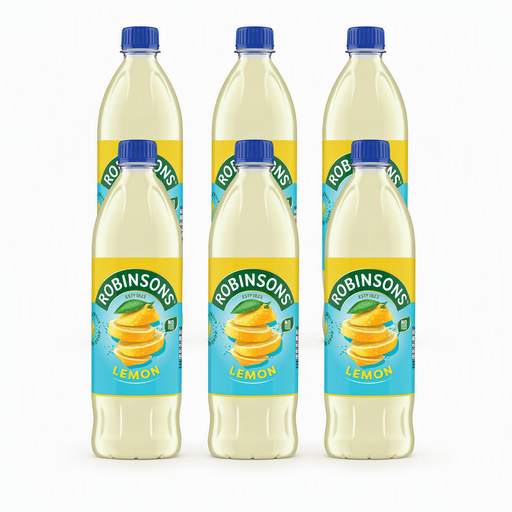 No image available
A lemon squash option supplied as a 6x1L pack for diluted party drinks. Check the strength you intend to serve and the bottle’s aspartame and phenylalanine declaration against guests’ requirements.
No. Sugars from fruit juice can remain. Waitrose lists 1.1g sugars per 100ml of its No Added Sugar Cherries & Berries Cordial diluted 1:6; check the nutrition panel and its stated preparation basis for the bottle you choose.
Read the ingredients on the exact bottle. For example, Sainsbury’s no-added-sugar lime cordial lists sucralose, while Waitrose No Added Sugar Cherries & Berries Cordial lists steviol glycosides. NHS guidance says approved sweeteners in Great Britain undergo safety assessment, but a no-added-sugar claim does not identify which one a drink contains.
No. Tesco and Sainsbury’s no-added-sugar lime cordials list sodium metabisulphite or sulphites. The Food Standards Agency identifies sulphites as a possible risk for sensitive people, so check the label of the bottle you intend to serve.
Compare prepared drinks of the same serving size, following each bottle’s dilution directions. A cordial’s per-100g figure as sold cannot be compared directly with another drink’s per-250ml diluted figure; pouring extra concentrate also changes what goes into each glass.