Students revising mainly at home
If water and a glass or refillable bottle are close by, a concentrated cordial or squash can be prepared alongside revision snacks. Follow its dilution instructions; it is not a ready-to-drink can.


For revision at home, a bottle of cordial or squash makes sense if you have water and a glass or refillable bottle to prepare it. If sealed individual servings matter more, compare ready-to-drink cans as a separate format rather than assuming a cordial comes in a canned multipack. Check the sugar, caffeine and ingredient information on the drink you choose.
The practical difference is whether you can prepare a drink where you revise or need a sealed serving to carry with you.
If water and a glass or refillable bottle are close by, a concentrated cordial or squash can be prepared alongside revision snacks. Follow its dilution instructions; it is not a ready-to-drink can.
For travel, library sessions or study groups, an individually portioned ready-to-drink can avoids preparation. Compare it as a separate soft-drink format and read its sugar and caffeine information.
Check the current label of each flavour, particularly if someone has an allergy or intolerance. A no-added-sugar description does not tell you whether a drink contains sweeteners or allergens; Waitrose & Partners lists barley and sweeteners in its Robinsons Fruit & Barley Grapefruit Squash example.
Decide on the serving format first, then compare the label details that matter for a drink you may have throughout a revision session.
| Priority | What to check | Your needs |
|---|---|---|
| Everyday drink choice | Check whether the drink is concentrated or ready to drink. Compare sugar information on the prepared drink or can, using the serving size shown on its label. | I want a drink to keep beside my revision snacks without automatically choosing a sugary soft drink. The NHS lists water and lower-sugar drinks among drinks that count towards daily fluid intake. |
| Preparation and portions | For cordial or squash, read the dilution and storage instructions and consider whether water and a glass are available. For cans, check the amount in each sealed serving. | At home, I can make up a drink when I need one. Away from home, I may prefer a sealed serving that needs no mixing. |
| Ingredients and allergens | Read the current ingredients list, including sweeteners and emphasised allergens. Check the particular flavour rather than relying on a range name or a no-added-sugar claim. | If I am buying for someone with an allergy or intolerance, I need the current pack information. GOV.UK’s guidance says pre-packed food labels identify ingredients and emphasise the 14 allergens that must be declared. |
Marks & Spencer describes its cordials as drinks to dilute, while the cited Waitrose & Partners Robinsons examples are concentrates. A sealed ready-to-drink can meets a different preparation need.
Choose whether you need a concentrate to mix or an individual drink to open before comparing flavours and labels.
A bottle of concentrate requires added water, so its labelled volume is not the same measure as the volume of a prepared drink or a can.
Follow the bottle’s dilution instructions and compare the resulting servings with the individual portions you would actually use.
No-added-sugar wording does not rule out sweeteners or allergens. Waitrose & Partners describes its Robinsons Fruit & Barley Grapefruit Squash as containing barley and sweeteners.
Read the current pack’s ingredients and allergen information for the exact flavour, especially when buying for someone with an allergy or intolerance.
These examples help distinguish dilutable drinks from ready-to-drink cans; a brand name alone does not establish the format or ingredients of every product in its range.
Waitrose & Partners lists Robinsons Fruit & Barley Grapefruit Squash as a concentrate and Robinsons Fruit Creations Lemon & Raspberry Squash as a bottled drink.
Marks & Spencer describes its cordials as drinks to dilute with still or sparkling water.
These Joybuy options are concentrated squash in bottles for revision setups where water is available. They are not ready-to-drink canned multipacks.
 No image available
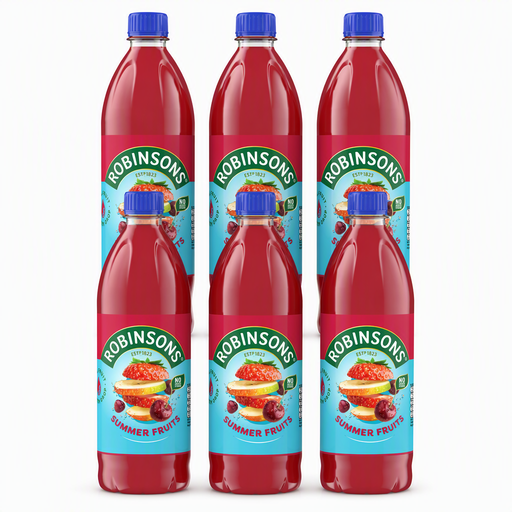
The 6x1L pack is a concentrated squash option for a home revision setup with water and a glass or bottle. It needs dilution, not simply opening like a can; check the pack’s mixing directions and current ingredients before sharing it.
 No image available
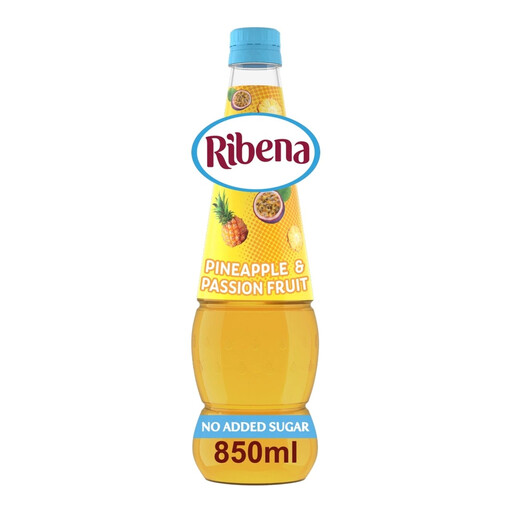
This 850ml concentrated squash is for preparing a drink with water at your revision desk, rather than carrying a sealed can. Read the bottle’s dilution and after-opening instructions, and check its current ingredient and allergen label.
 No image available
This 1L orange squash is a bottle to dilute when water is available during home revision. Follow its mixing directions rather than drinking the concentrate undiluted, and use the current pack label for ingredients and storage instructions.
 No image available
This 1.5L blackcurrant concentrate suits a setup where you can mix each drink with water. It does not provide sealed individual servings; follow the bottle’s dilution instructions and check its current sweetener, allergen and storage information.
 No image available
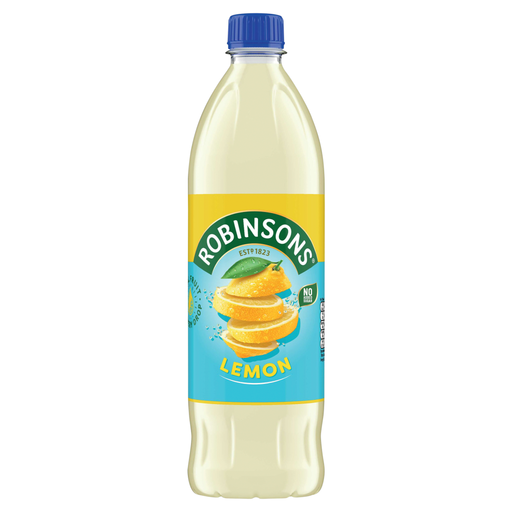
This 1L lemon squash is a concentrate to prepare with water, not a ready-to-drink can. Online ingredient descriptions for this variant disagree about sweeteners and sulphites, so use the current pack label to decide whether it meets your ingredient or allergen requirements.
The cordials described by Marks & Spencer are made to dilute with still or sparkling water, and the cited Waitrose & Partners Robinsons squash is a concentrate. Follow the directions on the particular bottle before serving it.
Not by itself: the wording does not settle the drink’s ingredients, serving size or whether you can prepare it where you study. If you want a lower-sugar everyday option, the NHS includes water and lower-sugar drinks among drinks that count towards daily fluid intake; compare the current labels of any flavoured drinks you consider.
Read the current ingredients and allergen information on the exact pack before buying or serving it. GOV.UK’s guidance says pre-packed food labels emphasise the 14 allergens that must be declared, while a flavour name or no-added-sugar claim cannot establish suitability.
Yes, if sealed individual servings are more useful for travel or study away from home. Treat ready-to-drink cans as a different format from concentrated cordial, and compare their serving sizes, sugar and caffeine information on the products you are considering.